


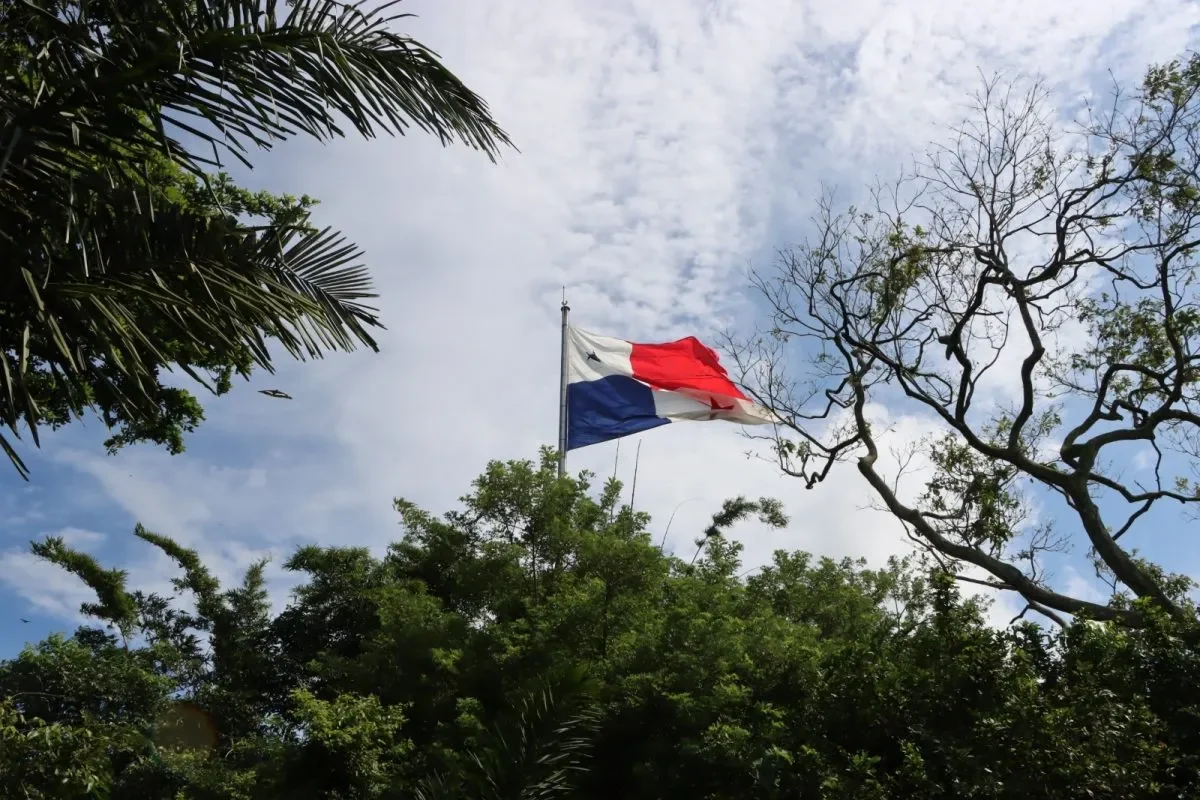
Panama City’s Cerro Ancón, a Panama sovereignty symbol and protected natural reserve, is receiving an average of 980 visitors daily during November’s patriotic celebrations, according to the Ministry of Environment. The influx of national and international tourists reflects the site’s dual identity as both a historical landmark and one of the capital’s most critical biodiversity refuges.
The monumental flag crowning the hill has become a focal point for Fiestas Patrias gatherings, drawing crowds who ascend the 40.4-hectare reserve to experience a landscape where national identity and tropical forest converge within the metropolitan core.
Torrijos-Carter Treaties and the Flag’s Historic Rise
The towering Panamanian flag was first raised on October 1, 1979, immediately following the signing of the Torrijos-Carter Treaties. That act transformed the summit into a permanent emblem of reclaimed sovereignty, visible from multiple points across Panama City. Its strategic position and historical weight have made it among the country’s most recognizable images.
The flag’s presence connects directly to Panama’s republican memory and the long struggle for territorial control. Beyond patriotic symbolism, the hill now serves as a living archive where ecological preservation and civic identity meet.
Biodiversity Data Reveals Urban Conservation Value
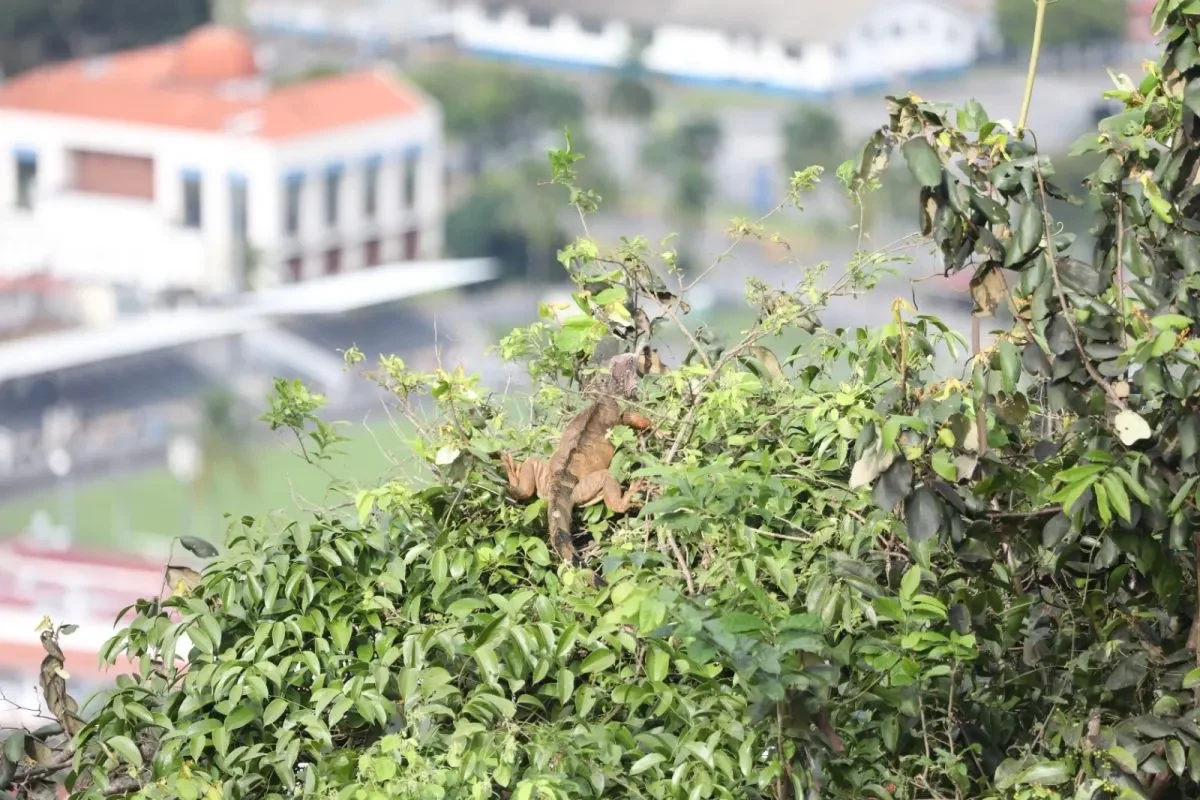
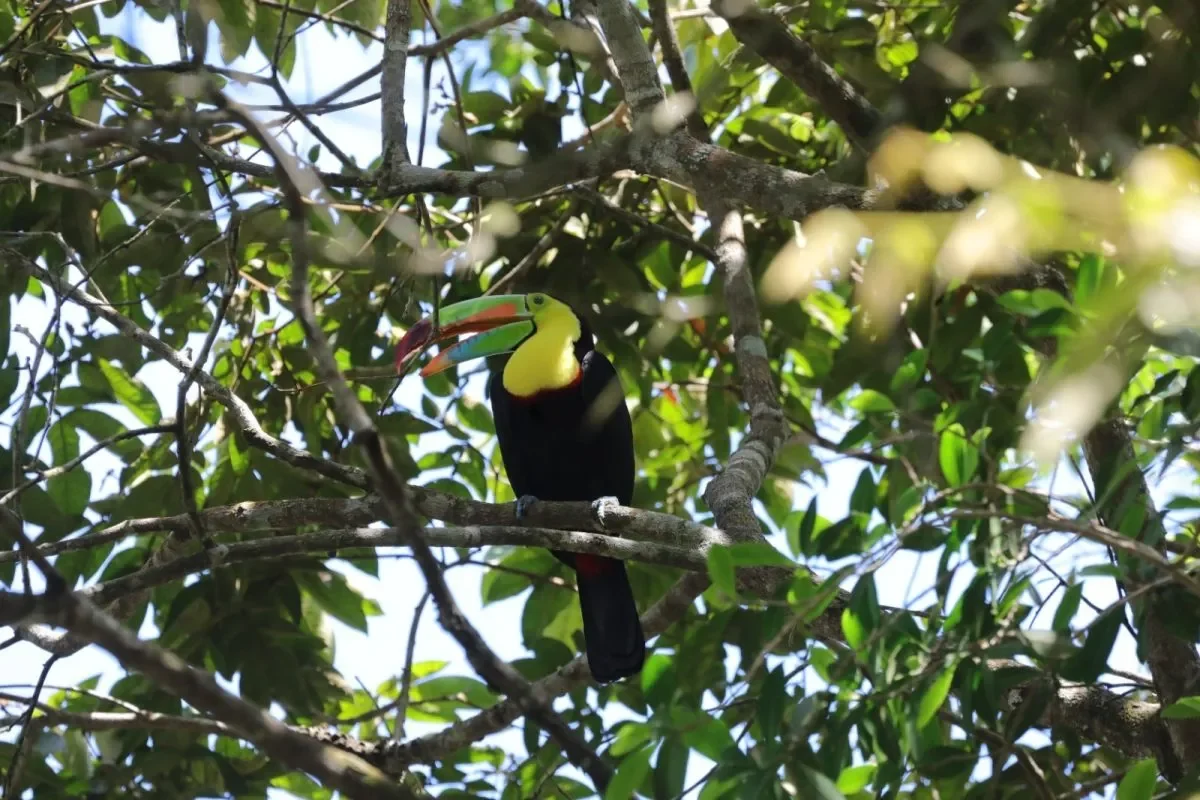
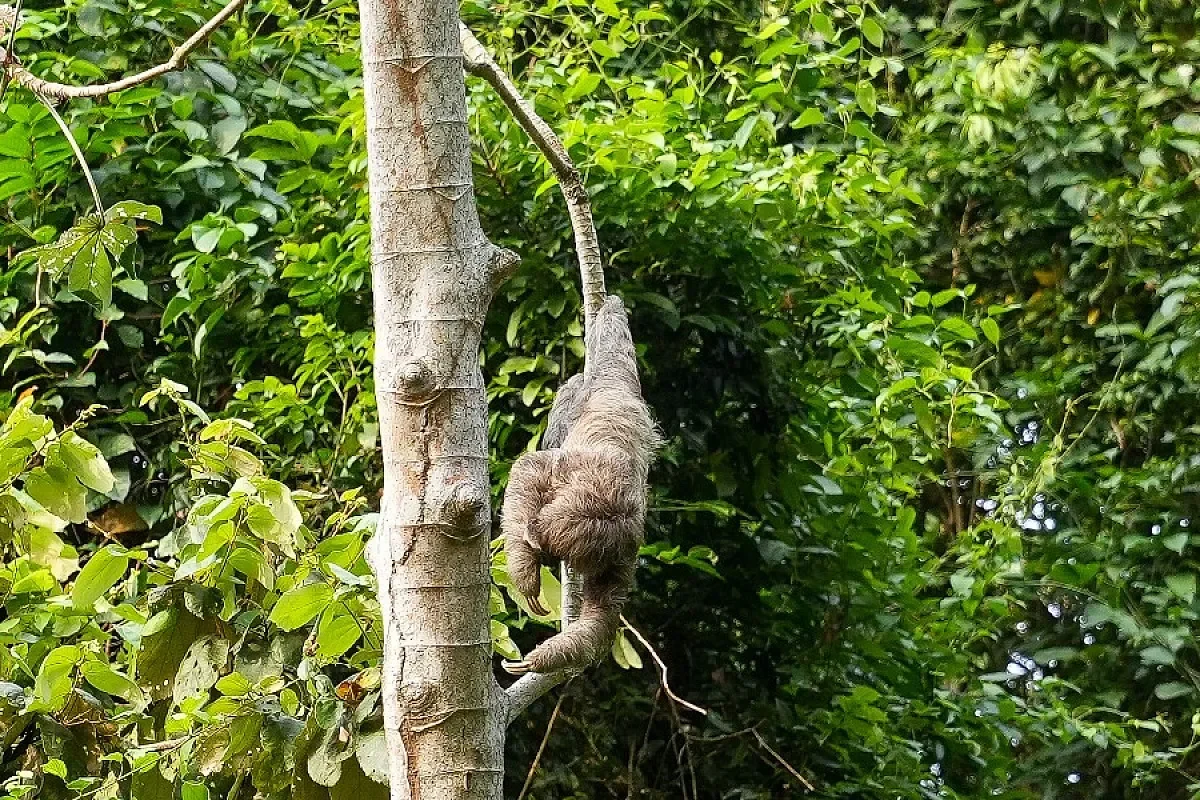
Ministry records document 212 plant species, 15 mammal species, 200 bird species, nine reptile species, and five amphibian species within the reserve. These figures highlight the area’s role in sustaining regional biodiversity despite its urban surroundings.
Cerro Ancón also ranks among the world’s most significant observation points for migratory raptor counting. The convergence of nature and city infrastructure creates what officials describe as a privileged scientific and recreational setting. The reserve operates under the National System of Protected Areas, or SINAP, reinforcing its legal conservation status.
2026 Management Plan Strengthens Protections
A newly approved management plan for the reserve, finalized in 2026, outlines concrete actions for ecosystem restoration, trail maintenance, environmental surveillance, and ecological connectivity. The plan also regulates public use to balance visitor access with habitat protection.
Visitors can access the reserve daily from 6:00 a.m. to 4:00 p.m. Ministry officials urge compliance with conservation rules, including prohibitions on extracting plants or animals, damaging vegetation or soil, and bringing single-use plastics or polystyrene products into the area.
Patriotic Symbolism and Ecological Mission Align
On the Day of Patriotic Symbols, authorities emphasized that the flag flying above Cerro Ancón and the biodiversity below share a common purpose, preserving what identifies Panama before the world. The reserve’s history remains deeply tied to national sovereignty struggles, making it a singular space where natural heritage and republican history intersect.
The daily visitor figures during November underscore how the site functions as both a civic gathering point and a conservation success story. As Panama’s capital continues expanding, Cerro Ancón stands as a reminder that sovereignty includes stewardship of the land itself, not just the symbols raised above it.