


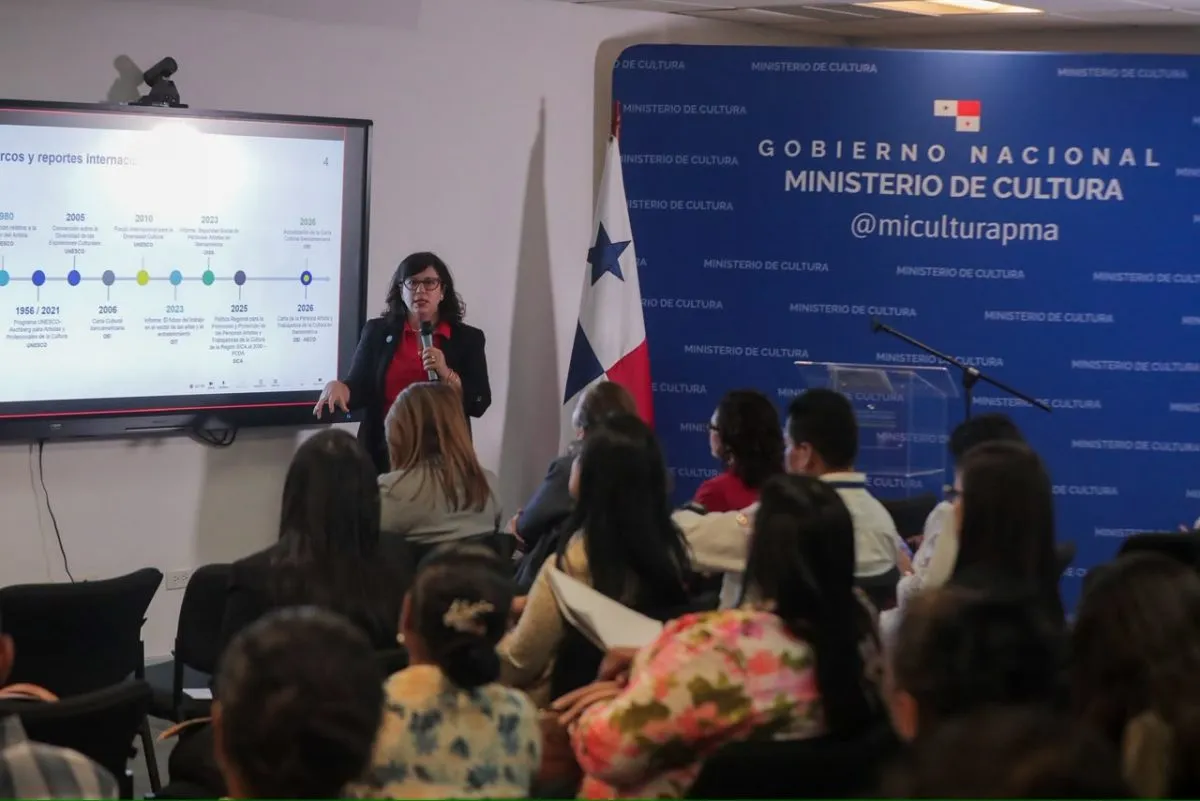
Panama has launched a multi-day consultation process to shape the Panama artist law, a legislative framework designed to secure labor rights and social protections for cultural workers. The Ministry of Culture convened technical working sessions on Monday, October 26, with guidance from the Organization of Ibero-American States for Education, Science and Culture (OEI), running through October 28.
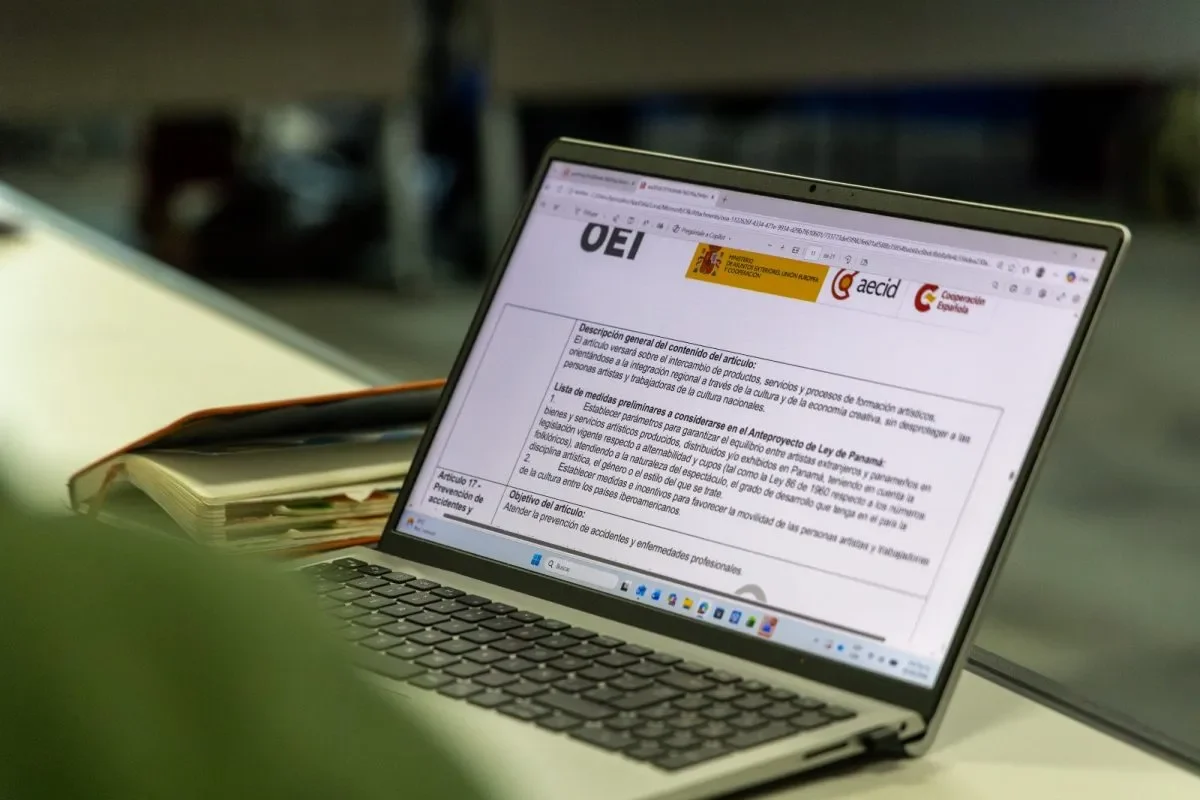
The initiative positions Panama as one of only two pilot countries in the Ibero-American region selected to develop this legal instrument. It draws directly from the Charter of the Artist and Cultural Worker in Ibero-America, with additional backing from the Spanish Agency for International Development Cooperation (AECID) and UNESCO.
Panama Artist Law Targets Historic Labor Gaps
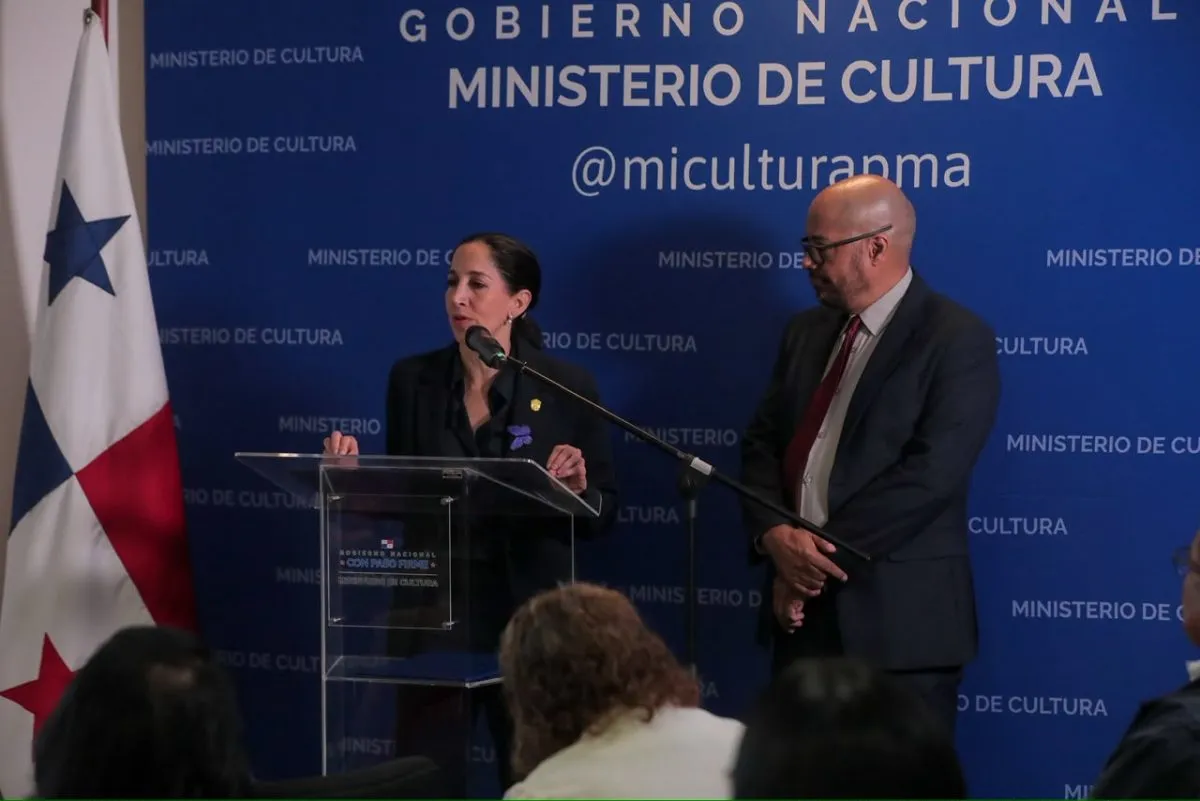
Culture Minister María Eugenia Herrera framed the effort as a response to long-standing inequities. Artists and cultural workers have faced intermittent employment, absence of formal recognition, and restricted access to fair pay and professional incentives for years, she said during the opening session.
The draft legislation addresses four core areas, labor rights, social security coverage, tax incentives, and copyright recognition. Officials said the framework must reflect the specific realities of artistic work, which often operates outside conventional employment structures.
Mariana Soares from the OEI’s Directorate General of Culture confirmed that a complete bill is expected by December 2026. She emphasized that the law’s reach could extend beyond performers to include lighting technicians, stage assemblers, set builders, and other professionals who sustain the cultural ecosystem.
Three-Phase Consultation Structure
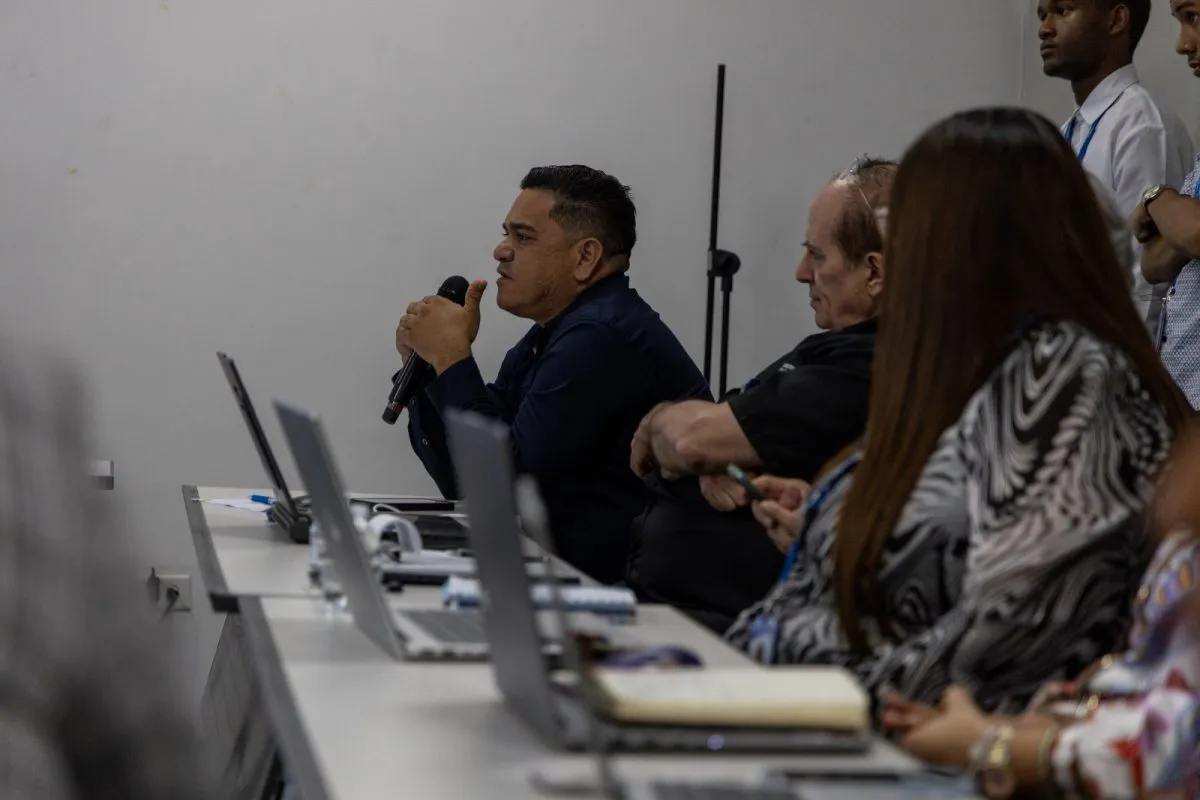
The working agenda unfolds across three distinct phases. An internal session brings together national and regional directors from the Ministry of Culture. A second intersectoral meeting engages state institutions. A third dialogue opens space for the National Encounter of Cultures and representatives from Panama’s diverse artistic sectors.
Participants will examine the preliminary bill’s components, structure, and methodology. The sessions also allow for questions, observations, and proposals that incorporate the varied realities of Panama’s cultural sector into the final text.
With these working tables now underway, Panama begins an institutional consultation and articulation phase. The goal remains a normative framework that formally recognizes the labor and social rights of artists and cultural workers nationwide.