


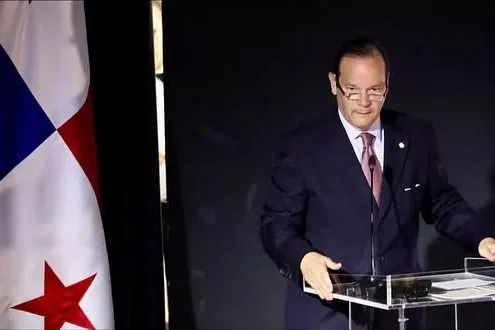
Panama’s Foreign Minister Javier Martínez-Acha firmly rejected statements from Washington suggesting the United States and Panama jointly control the Panama Canal, declaring that Panama sovereignty over the waterway remains absolute and non-negotiable. The diplomatic response came after US Secretary of War Pete Hegseth told the Pentagon that “Panama set aside China’s efforts and now, together with them, we control the Canal.”
Martínez-Acha responded directly during an interview Wednesday, stating the Canal “is Panamanian and will continue to be Panamanian” [Translated from Spanish]. He emphasized that the government of President José Raúl Mulino has no intention of getting drawn into geopolitical rivalries between major powers.
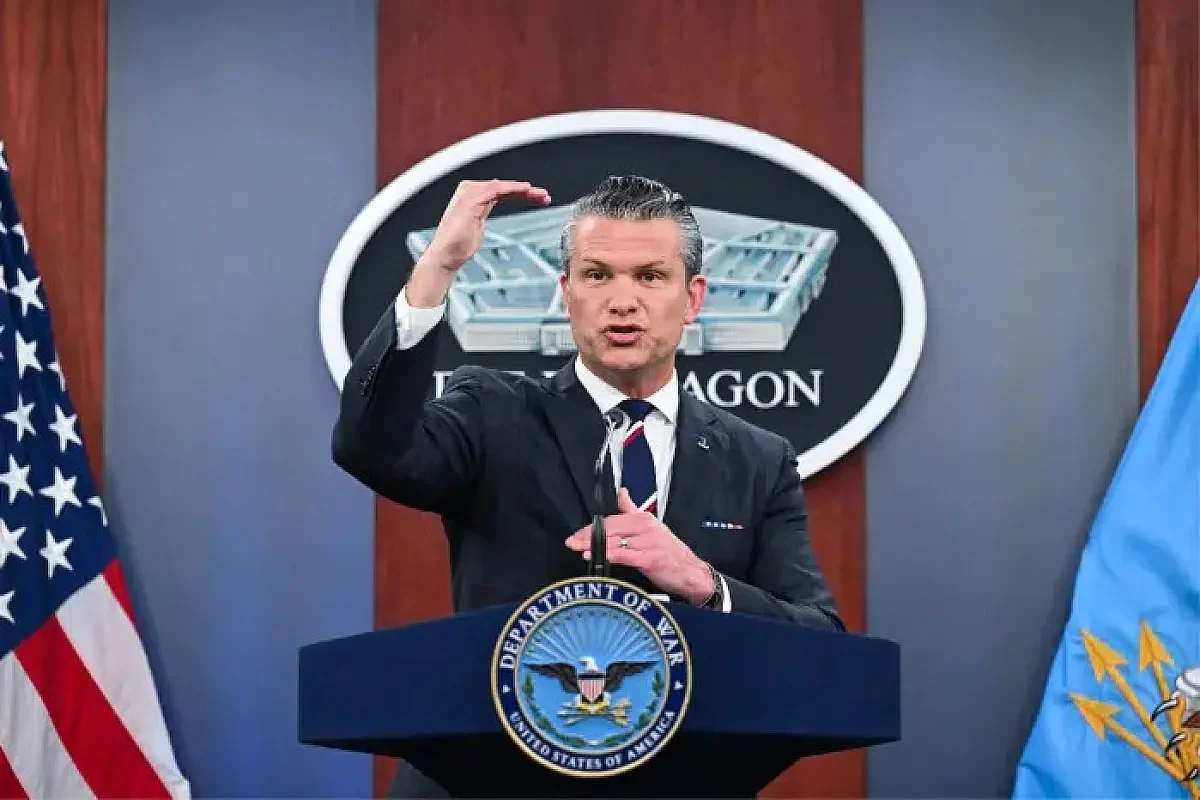
Hegseth Statements, Panama Sovereignty and Canal Control Clarified
The foreign minister explained that while Panama maintains security cooperation with the United States, similar agreements exist with the United Kingdom, South Korea, Japan, Colombia, and Spain. These partnerships focus on maritime security, critical infrastructure protection, and risk reduction, but do not translate into shared control of the Canal.
Martínez-Acha stressed that Panama operates the interoceanic waterway independently and will continue doing so. The clarification follows growing international attention on the Canal’s strategic importance amid shifting global trade dynamics.

Visa Waiver Progress and Cuban Detainees
On bilateral matters with Washington, Martínez-Acha reported that Panama has completed more than 90% of requirements for its citizens to enter the United States without visas. The process remains gradual, with additional benchmarks still to be met under US regulations.
Regarding Panamanians detained in Cuba, the foreign minister confirmed ongoing monitoring through the ambassador and consul, who visit the detainees regularly. He said the individuals are in good condition and that Panama respects Cuba’s legal process while hoping for a favorable resolution.
The foreign minister’s statements reinforce Panama’s long-standing position that the Canal belongs exclusively to the Panamanian people, a principle enshrined in the Torrijos-Carter Treaties that transferred full control to Panama in 1999. As geopolitical tensions continue to shape regional dynamics, Panamanian officials remain committed to maintaining neutral, cooperative relations across the international community without compromising national control over its most strategic asset.