



Panamanian authorities confiscated 178 pieces of illegal almond wood in Bocas del Toro province on November 10, 2026, after discovering the timber abandoned roadside near the community of La Gloria. The Ministry of Environment (MiAMBIENTE) found the sawn lumber during a routine enforcement operation, with none of the pieces bearing the required marks, numbering, or documentation proving legal origin.
Technicians measured the seized load at approximately 3.60 cubic meters. The wood showed no forest harvesting or transport permits, which are mandatory for establishing legality under Panamanian law. Officials have opened an investigation to trace the timber’s source and identify those responsible for what they described as a likely violation of national forestry regulations.
Protected Species Under CITES Regulation
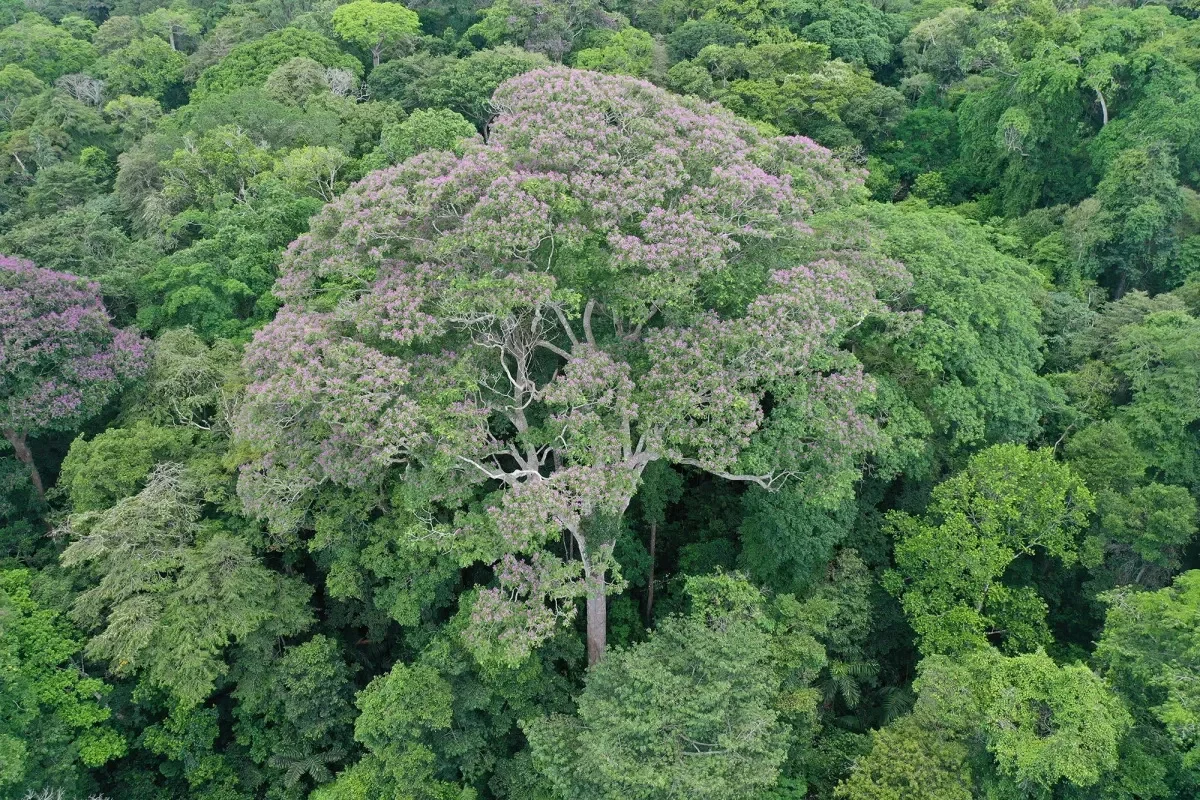
The confiscated lumber comes from mountain almond trees, known scientifically as Dipteryx oleifera and Dipteryx panamensis. Panama prohibits the harvesting of this species entirely. National legislation does not allow permits for its felling or extraction, whether for commercial or private use, according to MiAMBIENTE.
The species also appears in Appendix II of the Convention on International Trade in Endangered Species of Wild Fauna and Flora (CITES). This international framework regulates commerce in the species to prevent it from becoming endangered. The dual protection under both domestic law and international treaty underscores the severity of the suspected violation.
Decomisan 178 piezas de madera de almendro ilegal en Bocas del Toro https://t.co/OjAU6fOySQ
— Metro Libre (@MetroLibrePTY) November 11, 2026
Forestry Enforcement and Suspension Orders
The seizure forms part of broader vigilance efforts by MiAMBIENTE’s Regional Directorate to combat illegal transport and exploitation of forest resources. The agency has maintained active patrols targeting unauthorized logging operations across the province.
A five-year suspension on natural forest harvesting permits remains in effect under Resolution DM-0587-2024, grounded in Law 1 of 1994. This moratorium reinforces the legal framework that makes any commercial extraction from natural forests currently impermissible, regardless of species.

Investigation and Legal Proceedings
Authorities are now working to determine where the illegal almond wood originated and who abandoned it along the road to La Gloria. The absence of identifying marks or codes suggests an attempt to circumvent the traceability system that Panamanian law requires for all legally harvested timber.
MiAMBIENTE stated that the case will proceed through administrative channels as investigators gather evidence. Penalties for forestry violations can include fines, confiscation of materials, and potential criminal charges depending on the scale and circumstances of the offense. The seized wood remains in state custody pending the outcome of proceedings.