


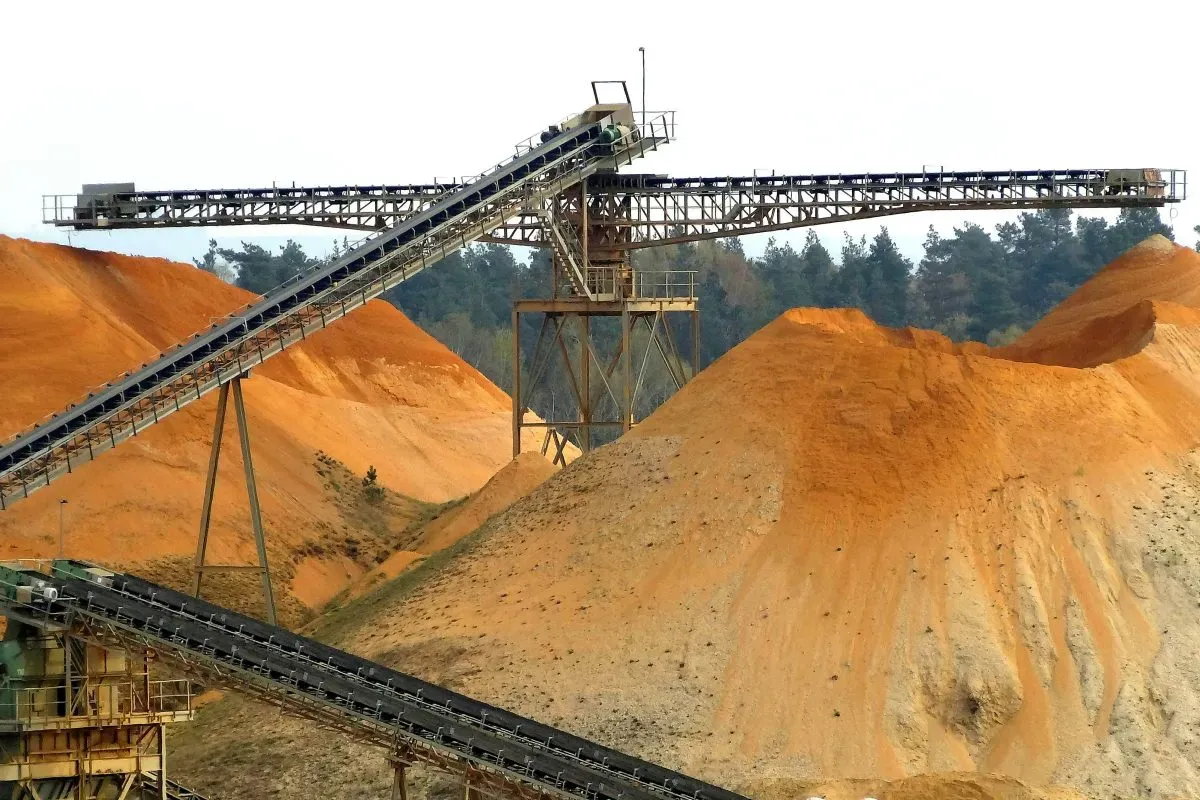
More than 38 million metric tons of previously extracted rock has sat exposed to Panama’s intense tropical weather at the Cobre Panamá facility in Donoso, Colón province since late 2023. Now a portion of that stockpiled material is finally leaving the site. Company officials announced that leftover copper exports totaling roughly 33,000 metric tons of concentrate departed for Spain and Bulgaria between August 18 and 22, 2026, operating under a government-endorsed preservation plan aimed at reducing environmental hazards tied to prolonged storage.
Environmental Monitoring Intensifies Around the Mine
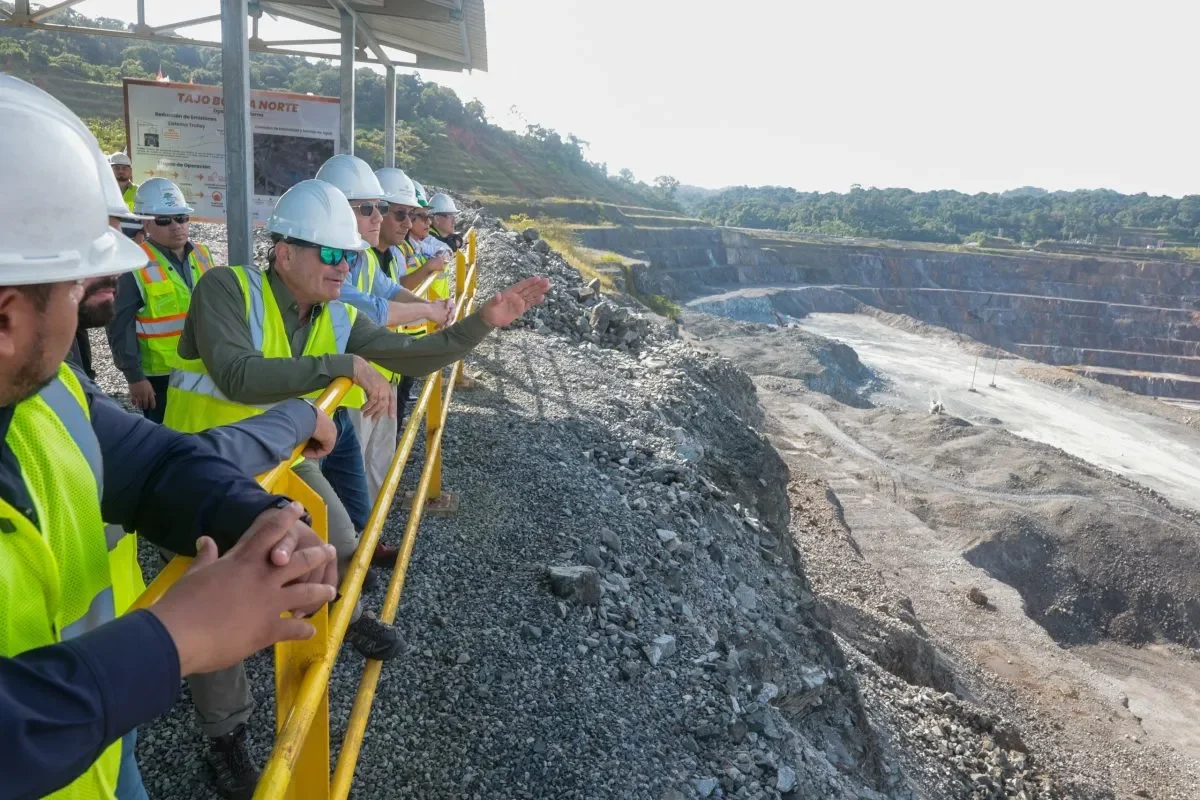
The shipment window overlapped with a visit from a team of scientists and specialists from the Ministry of Environment, who traveled to the Donoso installations for inspections. Minister Juan Carlos Navarro confirmed that his team was conducting new measurements and sampling to evaluate water quality, soil conditions, air quality, and the overall health of rivers and surrounding ecosystems near the pit.
Navarro also flagged significant deficiencies in the company’s reforestation obligations during the inspection.
‘Reforestation non-compliance stands between 40.7% and 45.7%, depending on the area’ [Translated from Spanish]
That assessment underscores the ongoing environmental tensions that have surrounded the mine since its abrupt closure nearly three years ago. The minister’s team continues to evaluate whether the current preservation efforts adequately protect the delicate ecosystems around the operation.
Leftover Copper Exports Authorized Under Executive Decree No. 5
The legal pathway for these shipments traces back to April 1, 2026, when the Ministry of Commerce and Industries issued Executive Decree No. 5. That measure authorized Minera Panamá to remove, process, export, and commercialize the previously extracted rock material. Critically, the decree does not permit any new mineral extraction activities. The government’s rationale centered squarely on mitigating environmental risks associated with exposing the stockpiled material to Panama’s heavy rains and humidity for extended periods.
Cobre Panamá described the operation as part of its Preservation and Safe Management Plan.
‘The shipment was carried out within the framework of the Preservation and Safe Management Plan to mitigate environmental risks’ [Translated from Spanish]
The company processed rock that had been extracted before the mine’s closure in 2023, transforming what was once a potential environmental liability into an exportable commodity. This latest batch of leftover copper concentrate is now en route to European smelters in Spain and Bulgaria.

Workforce Returns as Processing Operations Scale Up
The resumption of processing activities has brought a notable employment boost to communities around Donoso. Cobre Panamá reported that 2,181 people were hired to support the material processing operations tied to the recent export. For a region that depended heavily on mining jobs before the shutdown, these short-term contracts represent a modest but meaningful economic lifeline.
Before its closure, Cobre Panamá ranked among the largest copper mines in Central America and contributed approximately 5 percent of Panama’s GDP along with a dominant share of the country’s goods exports. The entire operation ground to a halt after the Supreme Court of Justice declared Law 406 of 2023 unconstitutional on November 28 of that year. That law had approved the concession contract between the Panamanian state and Minera Panamá, a subsidiary of Canadian mining giant First Quantum Minerals. Massive protests over the contract’s terms had already destabilized the project before the high court’s ruling delivered the final blow, leaving behind the enormous stockpiles that are only now being processed.
Previous Shipments Provide a Financial Baseline
The current export builds on earlier efforts to clear the accumulated material. In June 2025, the Canadian miner shipped 33,000 metric tons of leftover copper concentrate, which yielded approximately 32,554 tons of copper and 14,830 ounces of gold. Additional material exported between July and August of last year produced another 24,306 tons of copper and 11,071 ounces of gold. Those earlier sales demonstrated the significant value still locked within the stockpiled rock and established a pattern of government-approved shipments under the same environmental risk framework.
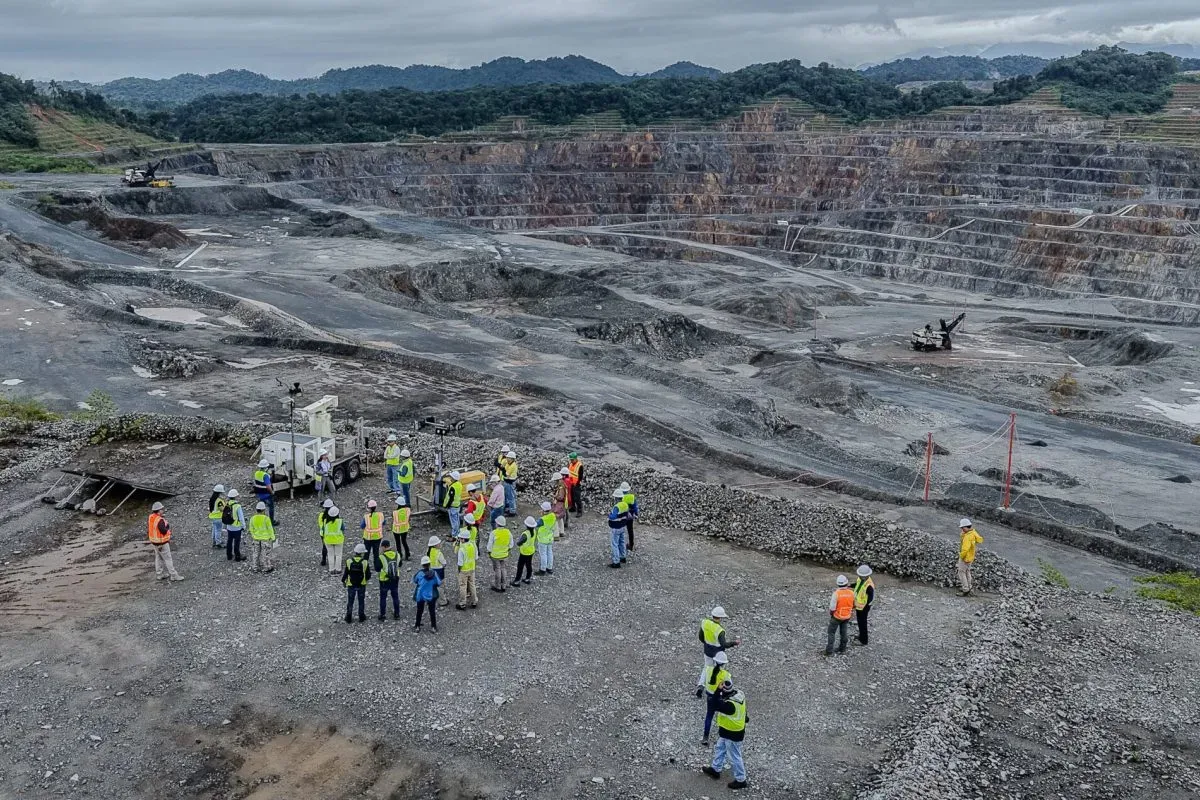
Altogether, the processing of 122,520 metric tons of copper concentrate from the site has yielded substantial quantities of copper and gold across all completed shipments. Each successive export reduces the volume of exposed material while generating revenue that helps offset the enormous costs associated with maintaining the shuttered facility. The 33,000 tons now heading to European buyers represent another crucial step in what has become a protracted process of environmental risk reduction and asset liquidation.
In summary, the latest shipment reflects a delicate balancing act between environmental stewardship, economic recovery, and strict legal compliance. The Panamanian government has allowed these leftover copper exports strictly as a risk mitigation measure, not as a signal of returning to full-scale mining operations. With tens of millions of tons still sitting at the Donoso site under constant exposure to the elements, the path forward remains complex. Each ton of leftover copper that leaves the facility reduces immediate environmental pressure, yet the broader question of the mine’s long-term future continues to hang over Colón province and the national economy alike.