


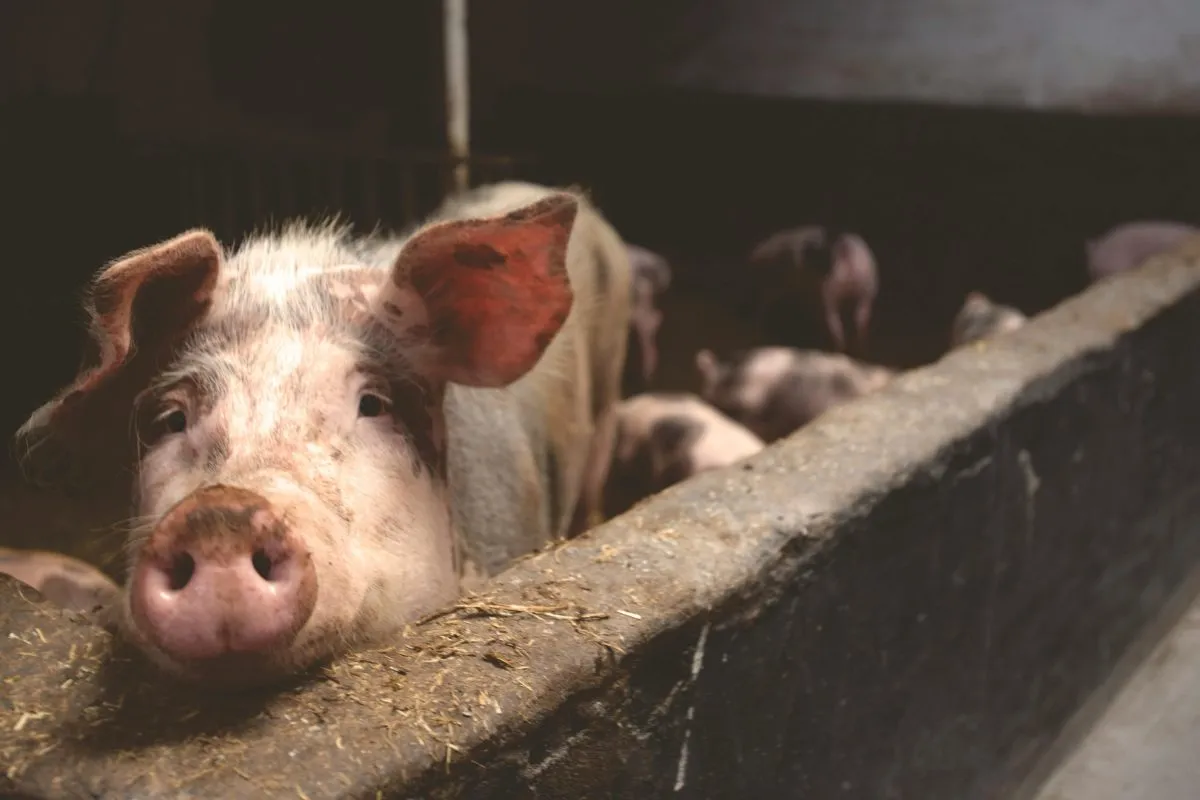
Pork producers in Panama are raising urgent alarms about the full implementation of a trade pact with the United States. They argue the agreement, which allows tariff-free meat imports, could severely damage local farms and threaten tens of thousands of jobs. Industry leaders issued this stark warning as the country moves to comply with the long-dormant provisions of the treaty.
The core of the dispute centers on the Panama-United States Trade Promotion Agreement. Certain provisions for agricultural products, including pork, are now taking full effect. This grants American meat products duty-free access to the Panamanian market, a change local farmers say creates an impossible competitive environment.
Local Industry Faces Subsidized Competition
Juan Manuel Guevara, a pork producer and sector leader, outlined the fundamental challenge. He stated that Panamanian farmers operate with higher production costs, strict sanitary regulations, and limited access to financing. They now compete directly with imported products from a heavily subsidized market. This disparity, he contends, puts the entire national supply chain at risk.
“The full application of these agreements could cause a significant impact on national production,” Guevara said. [Translated from Spanish] He emphasized the threat extends beyond farmers to over 40,000 people whose jobs in farming, transport, processing, and sales depend on the sector’s health.
Guevara fears the situation could lead to a fracture in the national economy itself. The immediate concern is a flood of cheaper imports undercutting local products on store shelves. For producers, this isn’t just about market share but survival against a rival with vastly different financial backing.
Calls for Government Action and Safeguards
In response to this looming crisis, pork producers are urgently calling for government intervention. They are not asking to cancel the Free Trade Agreement but are demanding the evaluation of support measures and safeguards. Their goal is to protect local production, ensure the sector’s sustainability, and preserve the employment it generates.
The industry’s plea highlights a common tension in international trade. While agreements aim to open markets and lower prices for consumers, they can simultaneously expose domestic industries to intense foreign competition. The producers insist their demand is for fair play, not special protection.
They have reiterated a willingness to dialogue with national authorities. Their position remains firm, however. They insist on the need for public policies that create equitable competitive conditions. Without such measures, they warn one of the country’s most important productive sectors could face irreversible weakening.
The coming months will test the balance between international treaty obligations and domestic economic stability. How the government responds could set a precedent for handling similar disputes under other trade agreements. Producers are watching closely, aware that the final phase of this tariff reduction could redefine their future.