


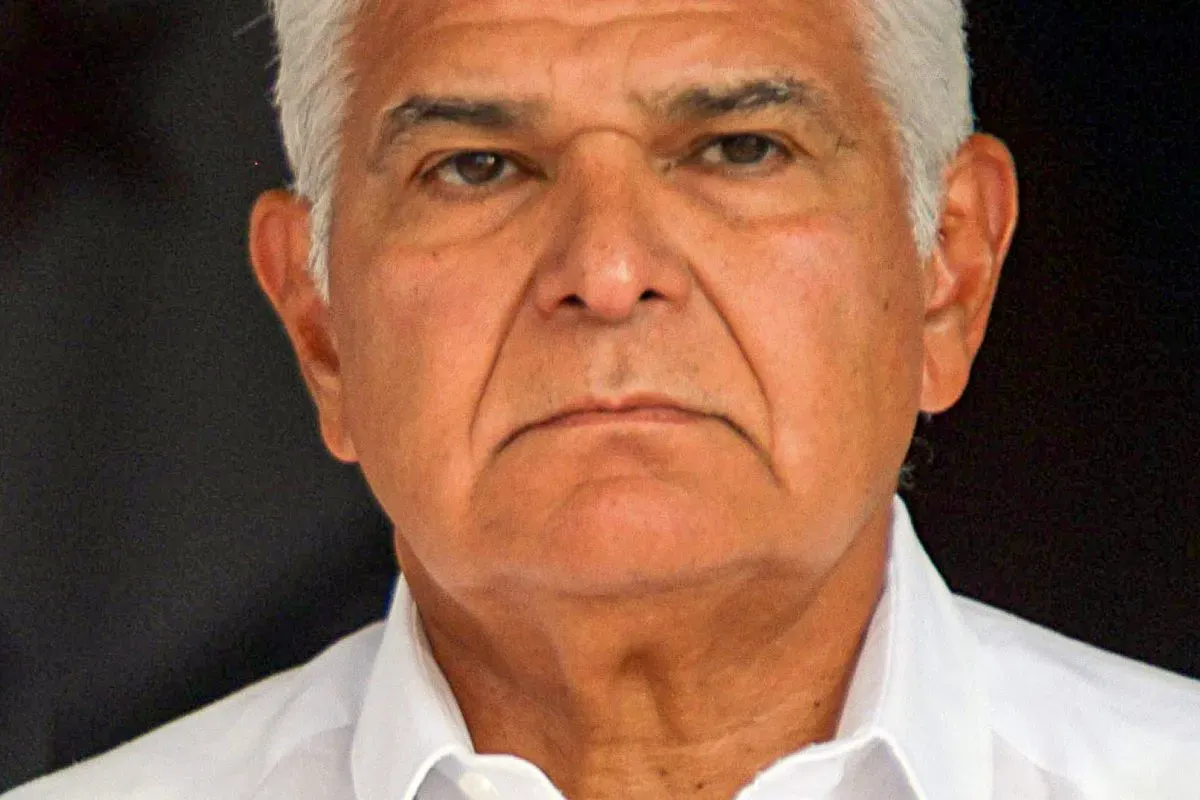
Panamanian President José Raúl Mulino publicly condemned judicial decisions that grant non-custodial measures to high-profile criminals. He made the remarks during a graduation ceremony for over 1,300 new security force agents in Panama City this week. The president argued that such measures undermine public safety and embolden criminal networks.
Mulino specifically criticized the normalization of releasing individuals arrested for serious crimes, often involving weapons and drugs, to house arrest shortly after their apprehension. He stated these practices treat major felonies as minor infractions, creating a cycle of impunity.
A System of “Extreme Flexibility”
The president framed the issue as a regional failure in crime fighting. He suggested excessive procedural guarantees have paradoxically victimized society while empowering offenders. Criminal organizations, Mulino claimed, now exploit legal protections to justify and continue their illicit operations.
“Once they are released, they are given house arrest or an ankle monitor as an ornament. They return to trafficking and put the complainants at risk because they enjoy this strange privilege,” said President José Raúl Mulino. [Translated from Spanish]
He provided a concrete example to illustrate his point. A detained leader of a drug trafficking gang in Colón Province recently received the benefit of house arrest. “A dangerous gang member enjoying more impunity,” Mulino lamented. His conclusion was direct. “We need justice to be less flexible.”
Security Strategy and Regional Cooperation
Despite his criticism of the judiciary, Mulino affirmed his administration’s commitment to strengthening security. He highlighted ongoing coordination with regional allies like Colombia, Peru, and Ecuador, as well as with the United States Drug Enforcement Administration (DEA). This multinational approach targets drug trafficking, human smuggling, and gang activity.
The president pointed to early results from current strategies. Homicides in Panama dropped by 30 percent in January compared to the same month last year, according to official figures he cited. This data, he implied, shows progress is possible when security forces are proactive.
The graduation ceremony itself represented a tangible investment in this security push. A total of 1,386 new agents completed their training. The National Police welcomed 727 new officers. The National Aeronaval Service (Senan) added 416 coastal vigilance agents, and the National Border Service (Senafront) graduated 152 personnel trained in institutional doctrine and legal procedures. The National Migration Service also incorporated 91 new inspectors.
A Direct Warning to New Graduates
Mulino concluded the event with a stark ethical warning for the new graduates. He acknowledged the immense pressure and temptation they will face from the criminals they are tasked with apprehending. The president told them their integrity must be non-negotiable.
“You will not only face crime, you will also face the temptation of crime. You deal with criminals who can offer you money to look the other way and not fulfill your mandate to protect the Panamanian nation. If that reality presents itself, my recommendation is clear: take off the uniform, leave it there, and dedicate yourself to something else, because you will not serve as members of the public force,” Mulino stated. [Translated from Spanish]
This speech signals the administration’s hardline stance on judicial reform as a core component of its broader fight against crime. The call for stricter pre-trial detention reflects an ongoing debate across Latin America, balancing legal rights against demands for public order.