


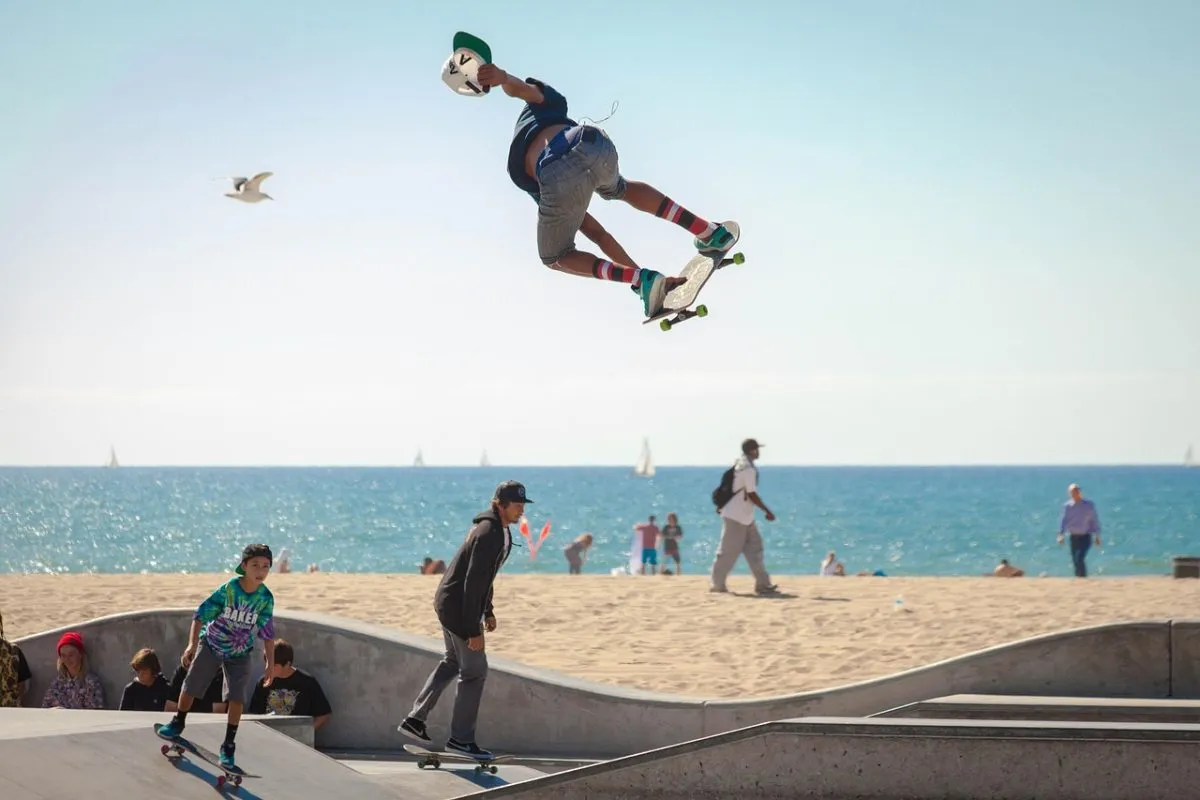
A group of skateboarders at the popular Cinta Costera III park in Panama City reported a violent assault by a gang of minors this week. The attack has sparked urgent calls for improved police protection in the recreational area located near the El Chorrillo neighborhood.
Roberto Velasquez, a professional skater and Panamanian singer with fifteen years of experience, provided a firsthand account of the incident. He shared video evidence on social media showing visible injuries sustained during the beating.
“They beat us to a pulp, literally,” Velasquez stated. [Translated from Spanish]
He explained that harassment from groups of young people in the area is not a new occurrence. Individuals using the skate park or walking along the Cinta Costera have previously been targeted with thrown rocks and verbal threats. The recent physical assault, however, represents a dangerous escalation.
Security Response and Structural Concerns
According to Velasquez, officers from the Institutional Protection Service (SPI), the unit responsible for security on the coastal beltway, arrived roughly five minutes after the attack concluded. The skaters’ primary demand remains consistent and clear. They are asking authorities for a permanent and visible security presence to protect citizens who use public infrastructure for sport and leisure.
“We only ask for more security. This is the only park of this kind in the city and what we do here is sport,” Velasquez emphasized. [Translated from Spanish]
The incident quickly drew political attention. Walkiria Chandler, a deputy from the Vamos coalition, publicly expressed deep concern over the violence. She framed the attack as a symptom of broader systemic failures in urban safety and youth protection policy.
“We are facing a structural failure, not only in security matters, but also in the protection of minors. We cannot normalize these spaces as zones of fear,” Deputy Chandler argued. [Translated from Spanish]
Her statement underscores a growing public sentiment that recreational areas, especially those in densely populated urban corridors, should be guaranteed safe havens. The Cinta Costera is a major public works project designed for citizen enjoyment, making the security lapse particularly alarming for residents.
Broader Implications for Public Spaces
This event has ignited a wider conversation about safety in Panama City’s parks. Community advocates point out that successful public spaces rely on a sense of security to fulfill their social and health missions. When athletes and families feel threatened, the entire community loses a valuable resource.
The skateboarders’ plea highlights a specific challenge in policing large, open areas like the coastal park. While the National Police of Panama and the SPI maintain patrols, the vast terrain makes consistent coverage difficult. Residents and frequent park users are now questioning whether current security protocols and manpower are sufficient.
Similar concerns about public infrastructure security have emerged around other major projects. Ensuring safe access for all citizens remains a critical component of urban planning, as seen in discussions surrounding other developments.
Local authorities have not yet announced any new concrete measures for the Cinta Costera III Skate Park. The community awaits a formal response detailing how officials plan to prevent future attacks and reclaim the space for peaceful public use. For now, skaters approach their sport with heightened caution, their calls for protection echoing across the city’s waterfront.