


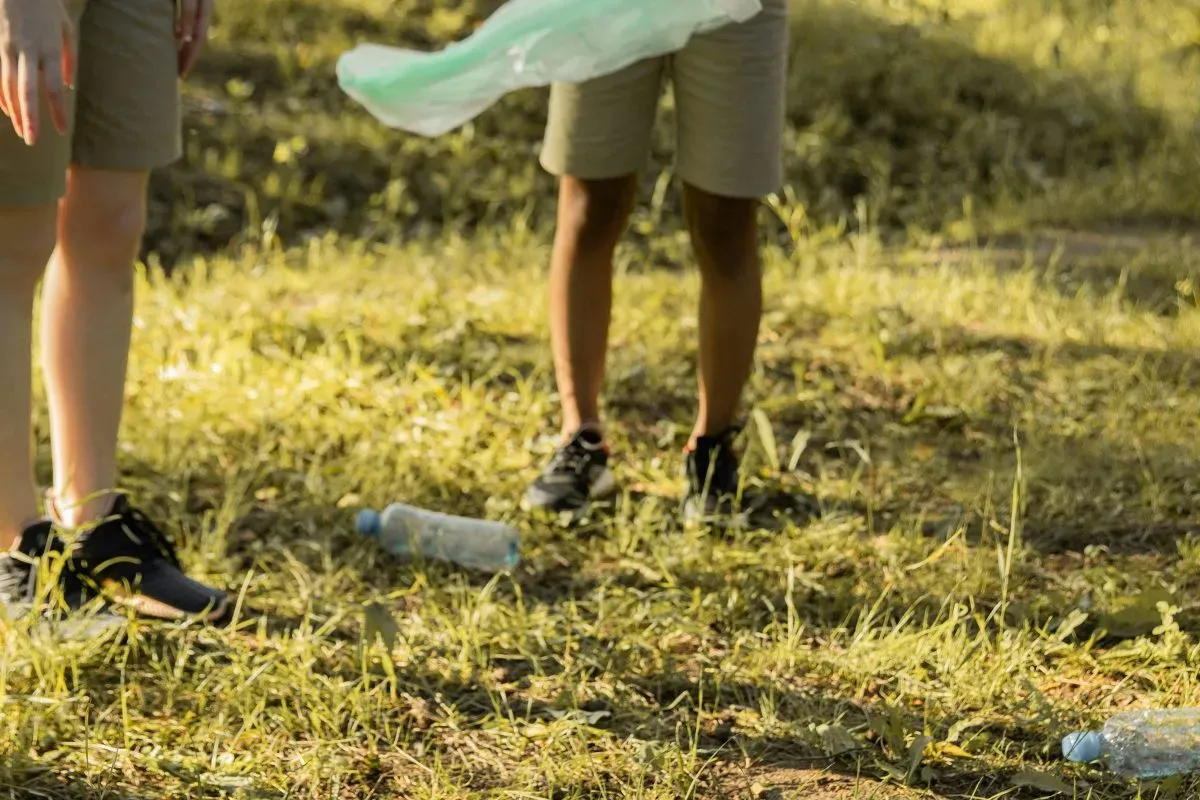
Panama’s Ministry of Environment has enacted a sweeping ban on single-use plastics and other contaminants across the nation’s protected areas. The new regulation, effective immediately, applies to all visitors, tour operators, and personnel within more than 100 designated conservation zones. Officials designed the rule to combat escalating solid waste pollution in the country’s forests, rivers, and coastal ecosystems.
The directive prohibits items like plastic bottles, foam containers, plastic cutlery, plates, and bags. Only reusable or fully biodegradable alternatives will be permitted for entry. Javier Vazquez, head of Ecotourism for the ministry, stated the policy aims to preemptively tackle waste management challenges before they start. The Ministry of Environment (Panama) frames this as a critical step in a broader strategy to shield fragile habitats from degradation.
“You cannot bring plastic bottles, foam items, cutlery, plates, or plastic bags, nothing that is not truly biodegradable. The idea is to avoid having to think later about what to do with all that garbage,” said Javier Vazquez. [Translated from Spanish]
Enforcement will include fines reaching five hundred dollars or mandated community service for violations. The ministry expects the ban to drive a significant cultural shift in how Panamanians and tourists interact with natural spaces. This move directly addresses visible accumulation of trash, a problem authorities say has grown increasingly severe with visitor numbers.
Promoting a Zero Waste Culture in Nature
In contrast to the prohibitions, the regulation actively encourages reusable items. Officials suggest alternatives like aluminum water bottles and bamboo cutlery. The rule formalizes a “Zero Waste” principle, mandating a “pack it in, pack it out” policy for all activities within these zones. Everyone must remove all personal waste when they leave.
Vazquez emphasized the educational component behind the ban. He believes it will foster greater environmental responsibility. Activities inside of these sensitive regions now require heightened awareness. The goal is ensuring pristine conditions for future generations.
“We are thinking about adapting our culture and our education to start using reusable aluminum bottles, bamboo cutlery that is biodegradable, to use containers that can be used many times and not thrown away after the first use,” Vazquez added. [Translated from Spanish]
The policy applies uniformly to tourists, concessionaires, contractors, volunteers, researchers, and government staff. Panama joins a global movement to restrict single-use plastics, particularly within ecologically sensitive lands. Protecting biodiversity and scenic beauty serves as the core motivation.
Enforcement and Broader Environmental Strategy
Monitoring and compliance will be managed by ministry personnel across the protected areas network. The substantial fine structure underscores the government’s serious commitment. Community service penalties are also intended to provide environmental education directly to offenders. This initiative is not an isolated action.
It integrates into larger national efforts to strengthen conservation. The ministry recently conducted protected areas safety campaigns following wildfires. These efforts collectively aim to preserve Panama’s natural heritage. The country’s extensive system of those protected areas is a cornerstone of its ecological and tourism identity.
Implementation will challenge existing habits. Officials acknowledge this but remain confident in the long-term benefits. They anticipate a reduction in cleanup costs and less wildlife harm from plastic ingestion. The regulation is a comprehensive vision for sustainable management. Panama continues to position itself as a regional leader in environmental policy with this decisive action.