


Panama’s Ministry of Environment (MiAmbiente) has deployed a special national operation to protect biodiversity and ensure visitor safety during the Holy Week holiday period. The operation, which runs from March 28 through April 6, mobilizes hundreds of personnel across the country’s protected natural areas. Officials aim to prevent environmental violations and assist tourists during one of the busiest travel seasons.
Approximately 700 MiAmbiente officials are participating in the initiative, with an additional 150 staff deployed from regional and national directorates. They will supervise compliance with environmental regulations in parks and reserves. The operation focuses on fire prevention, waste management, and wildlife protection as visitor numbers surge.
“The heat we are experiencing globally demands greater responsibility,” said Paola Fong, MiAmbiente’s Environmental Awareness Coordinator. [Translated from Spanish]
Fong identified wildfires as a primary concern, linking the risk directly to current climate conditions. Several vegetation fires were already reported between March 28 and 31, prompting a strict ban on campfires within all protected areas. This enforcement is a cornerstone of the Holy Week security plan.
Strict Regulations on Plastics and Visitor Registration
Another key measure involves the enforcement of a single-use plastics ban. Resolution M-0496 of 2025, effective since January 1, prohibits plastic items in protected zones. Tourists are encouraged to use aluminum bottles and reusable containers instead. Fong emphasized that reducing waste is a collective duty for all visitors.
“Applying the ‘Leave No Trace’ method is fundamental. Take all your trash with you and leave only positive footprints in each place you visit,” Fong added. [Translated from Spanish]
The ministry also mandates advanced registration for popular destinations like Coiba Island. Visitors must register through the MiAmbiente website’s procedures and payments section. This system allows authorities to monitor visitor numbers, track which trails are in use, and coordinate emergency responses more effectively.
Guidance for Safe Wildlife Encounters and Hiking
MiAmbiente issued specific guidelines for interacting with Panama’s wildlife. Feeding wild animals is strictly prohibited. Officials warn that human food alters natural behaviors and can create dangerous conflicts. The excitement of an encounter requires disciplined visitor conduct.
“Even if excitement leads you to interact with animals, it is crucial to maintain distance, remain quiet, and avoid sudden movements,” Fong explained. [Translated from Spanish]
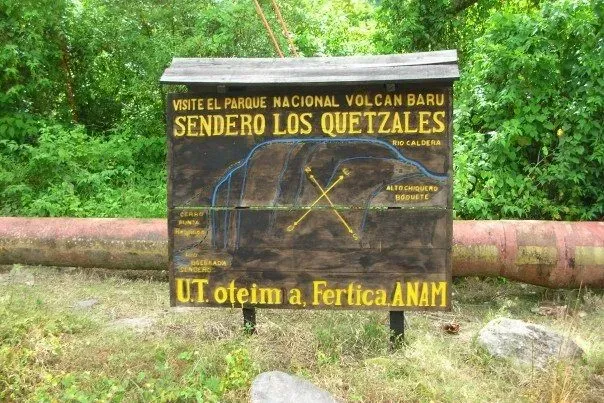
In certain parks, including the popular Volcán Barú, hiring a certified guide is now mandatory for hikes. This rule ensures visitor safety on challenging trails and helps protect sensitive ecosystems. The combined efforts focus on preserving Panama’s natural heritage which includes vast protected areas.
The ministry’s broad operation represents a proactive approach to holiday season management. By integrating safety patrols with environmental education, Panama seeks to balance tourism with conservation. Success depends heavily on visitor cooperation with the established Leave No Trace principles and all official directives.