


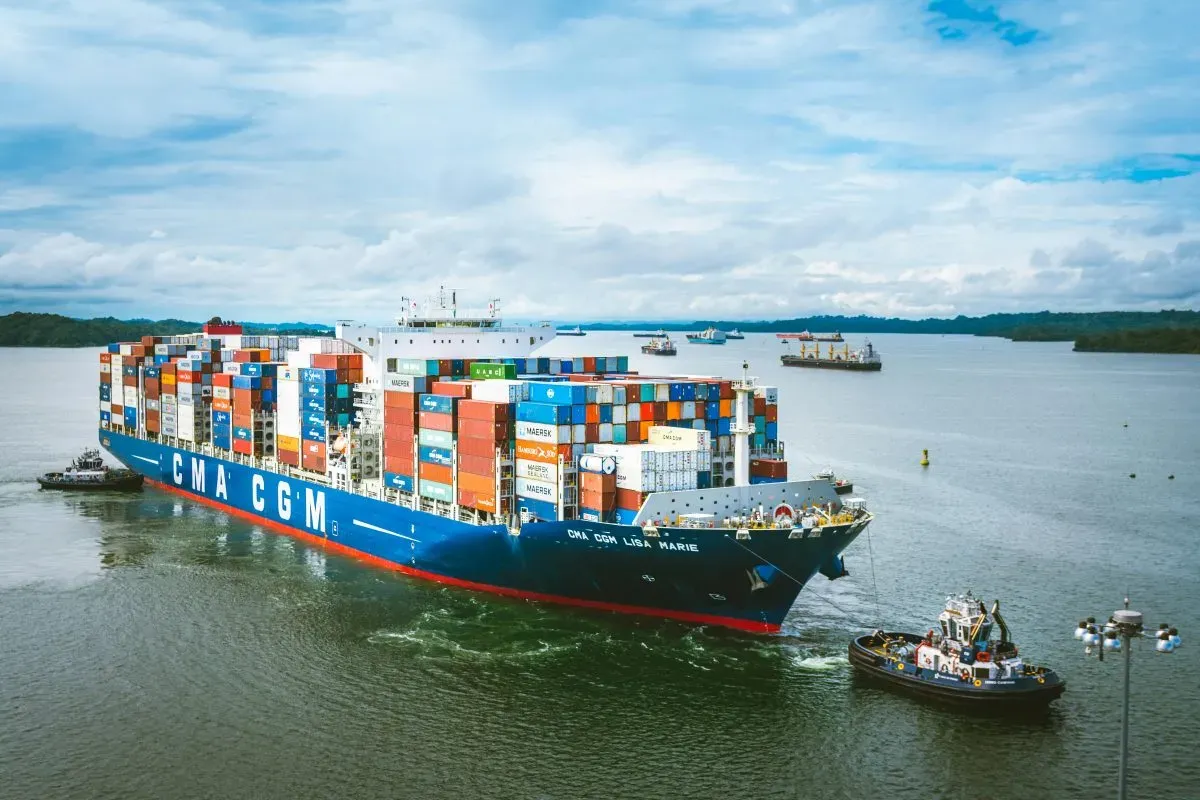
Global shipping costs are surging as a major Middle East conflict disrupts a critical oil transit route. The Drewry World Container Index climbed eight percent this week, reaching $2,123 per forty-foot container. Analysts link the sharp increase directly to security pressures in the Persian Gulf region, a development that could soon raise prices for imported goods worldwide.
The immediate trigger is the effective closure of the Strait of Hormuz. Major international shipping lines have suspended operations in the Gulf as regional tensions escalate. This strategic waterway normally handles about twenty percent of the world’s seaborne oil supply. Its closure is forcing a rapid and costly reconfiguration of global maritime routes, placing fresh strain on supply chains still recovering from recent disruptions.
“Definitely we are going to have an impact here on the final price. I would say it is mild, but there will be an increase due to the rise in freight and products,” said Alberto López Tom, former president of Panama’s Logistics Business Council (COEL). [Translated from Spanish]
Industry data reveals the speed of the cost escalation. Before the conflict intensified in late February, the average global freight rate stood at $1,899 per container. The jump to over $2,100 marks one of the steepest weekly climbs in months. The most dramatic increases are appearing on routes connecting Asia to Europe, with spot freight rates from Shanghai to Rotterdam soaring nineteen percent to $2,443 per container.
Oil Tanker Rates Skyrocket as Shipping Lines Adjust
The shockwave hit the oil tanker market first. A report from Moody’s Investors Service details how the Strait of Hormuz paralysis has sent tanker tariffs to extraordinary levels. Daily charter rates for Very Large Crude Carriers (VLCCs) now exceed $350,000. That figure represents a sharp rise from approximately $200,000 per day before the current crisis began.
Moody’s analysts suggest a relatively quick resolution could bring rates back to normal levels swiftly. Their warning is clear, however. A prolonged maritime disruption will keep oil transport costs elevated. While this benefits shipping companies in the short term, it increases pressure on global trade and supply networks overall. The ripple effects are now reaching the container shipping sector.
Consulting firm Drewry confirms the trend. Its latest weekly assessment notes spot freight rates continued rising across major trade lanes in the period from March 6 to March 12. Beyond the Asia-Europe spikes, the trans-Pacific route also saw gains. Spot rates from Shanghai to Los Angeles increased four percent to $2,503 per container. Rates to New York rose three percent to $3,080.
Shipping lines are already adjusting capacity and announcing new price increases. Industry giants MSC and CMA CGM have published plans to raise their Freight All Kinds (FAK) rates effective March 22. Drewry’s forecast anticipates spot rates will continue climbing in the coming weeks as companies manage these disruptions.
Panama Watches Cautiously While Eyeing Potential Opportunity
In Panama, a nation whose economy is deeply tied to global maritime trade, the impact is being watched with cautious analysis. Local experts like Alberto López Tom note the direct effect on consumer goods arriving in Panama may be moderate. A significant portion of the country’s imports originate in Asia and do not typically transit the most affected conflict zones.
The indirect pressure is undeniable. Rising global fuel prices, driven by the Middle East disruption, increase costs for all maritime transport. Every vessel, regardless of its route, faces higher bunker fuel expenses. These costs inevitably filter through the supply chain.
“The scenario can be positive for the country from a logistical point of view. Panama could consolidate itself as a safer route for maritime trade,” López Tom added. [Translated from Spanish]
This perspective highlights a potential strategic opportunity for Panama amidst the global turbulence. Analysts suggest the country could attract greater cargo movement as shipping lines seek stable and secure transit corridors. The crisis might strengthen Panama’s role as a regional hub for serving other markets, particularly for containerized cargo and energy products like liquefied natural gas (LNG).
Daniel Isaza, a logistics sector analyst and also a former industry council president, agrees with this assessment. He points to the Panama Canal and the country’s extensive maritime services cluster as assets that could see increased demand. As carriers reroute voyages to avoid the Persian Gulf, alternative paths through the Central American isthmus may become more attractive for certain trade flows.
The immediate outlook remains uncertain. Drewry reports at least five canceled sailings on the Asia-Europe corridor for the coming week, with seven more cancellations announced on routes to North America’s east and west coasts. These capacity adjustments, combined with new security surcharges and higher fuel costs, create a perfect storm for rising freight rates. Consumers globally may start seeing the effects on store shelves within a few months as more expensive shipments work their way through the logistics pipeline.