


Individuals seeking residency in Panama for 2026 must begin a meticulous document preparation process months in advance, according to immigration attorneys. The country’s legal framework mandates that all applications be filed by a licensed Panamanian attorney, making early legal engagement the critical first step for prospective residents.
This attorney-centric system differs from processes in neighboring countries and requires precise timing due to strict document expiration rules. A successful application depends on obtaining internationally certified documents from an applicant’s home country well before their planned submission date in Panama City.
Legal Guidance Forms Foundation of Application
Panamanian law does not permit individuals to submit residency applications independently. This creates a non-negotiable requirement for legal representation from the outset. Attorneys now commonly offer remote consultations, allowing potential applicants to begin planning from abroad before ever setting foot in Panama.
“Your lawyer is your project manager for this entire process,” a Panama City-based immigration specialist. [Translated from Spanish] “We provide the roadmap and handle the bureaucratic interface with the National Immigration Service. The client’s focus must remain on ensuring they have the correct information to obatin the correct documents. Whether the client collects or the firm collects, each must be reviewed before the next step.
Firms typically provide a personalized checklist based on the chosen visa category, such as the Friendly Nations Visa or the Pensionado program. Many also offer concierge services to assist with document retrieval and notarization.
Document Timeline and Apostille Certification Are Critical
The entire application hinges entirely on document validity. Most foreign documents, including police clearances, are only considered valid for immigration purposes for 180 days from their issue date. Applicants must work backward from a Target Submission Date to ensure their paperwork does not expire before filing.
Central to this effort is the Apostille certification. This international authentication, governed by the Hague Convention, makes a public document issued in one signatory country legally valid in another. Every key document from an applicant’s home country must bear this certification.
The core requirements include a clean criminal background check. For U.S. citizens, this means an FBI Identity History Summary, which can be expedited through an approved FBI Channeler. Proof of economic solvency, such as evidence of a qualifying bank deposit or pension, and apostilled civil documents for dependents round out the essential paperwork.
Submission Process Managed by Legal Representatives
A common misconception is that applicants must personally queue at immigration offices. The actual process is more streamlined once documents arrive in Panama. After translation by an official public translator, the attorney prepares and submits the complete application package to the National Immigration Service.
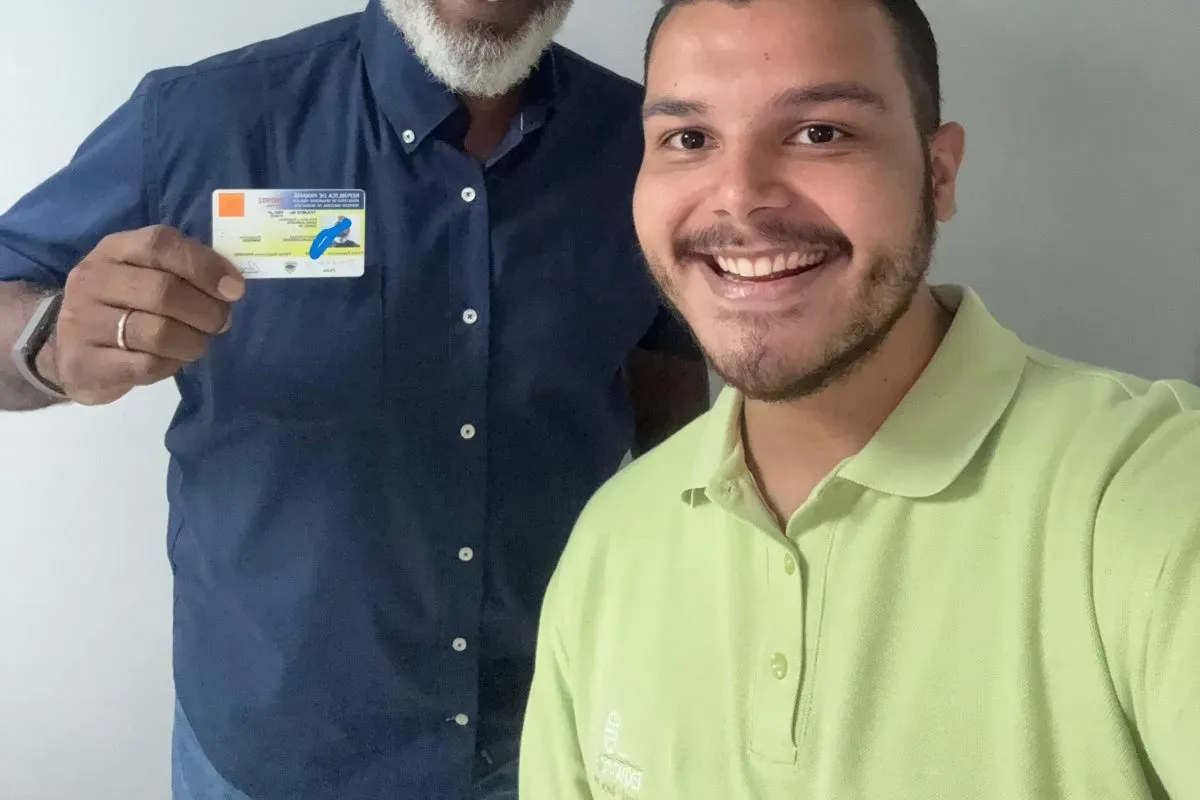
This often requires the attorney to hold the applicant’s physical passport briefly for filing purposes. “The lawyer handles the bureaucracy,” the lawyer noted. [Translated from Spanish] “The client’s only mandatory physical appearances are for biometrics and to receive the temporary residency card.” This allows applicants to avoid the most tedious administrative steps.
The upfront legal cost, generally ranging from $2,000 to over $3,000 per adult, provides a structured path through Panama’s specific requirements. It ensures applications are pre-vetted to meet the exact standards of the Government of Panama before submission. For those targeting 2026 residency, establishing contact with a qualified firm and understanding the document timeline now is the essential first move toward a successful relocation.