


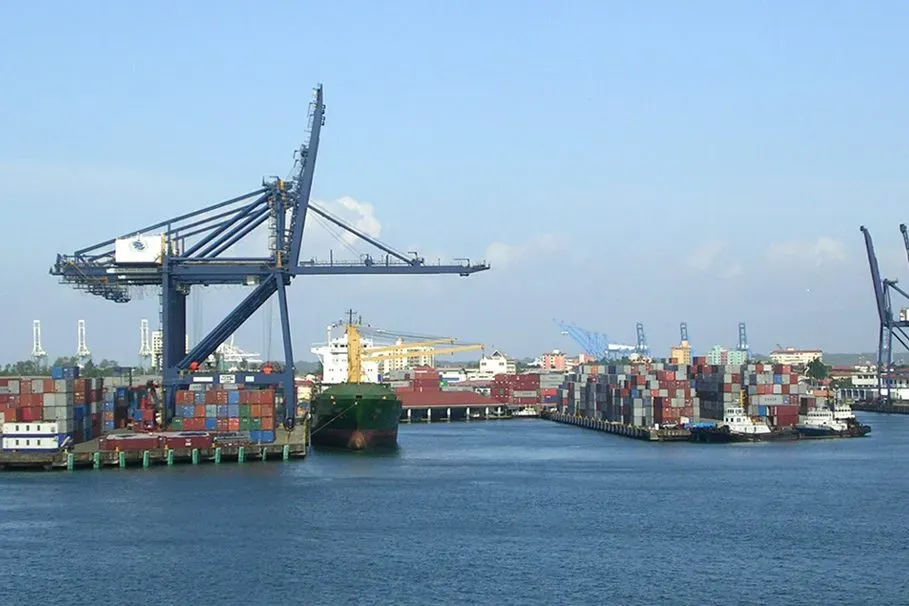
The Panamanian government has ordered the temporary occupation of the nation’s two largest ports. An executive decree published Monday, February 23, 2026, mandates the state takeover of the Balboa and Cristobal port terminals, citing an urgent social interest.
Official documents show the Panama Maritime Authority must now take possession of all movable assets required for continuous operation. This includes cranes, vehicles, computers, software, and other essential equipment at both facilities.
Decree Details and Government Rationale
President José Gabriel Carrizo’s administration issued the directive through an Executive Decree (Panama). The order took effect immediately upon its publication in the Official Gazette. It authorizes the use of public force to ensure access and security at the ports during the transition period.
The Ministry of Public Security must provide all necessary support. Officials argue the drastic measure is required to guarantee the uninterrupted flow of maritime commerce, a critical component of Panama’s economy.
“This action is taken due to an urgent social interest and the need to ensure the continuity of port operations for the national economy,” the executive decree states. [Translated from Spanish]
Labor protections for existing port workers form a key part of the decree. The Ministry of Labor and Workforce Development must take all legal measures to guarantee payment of worker benefits and ensure job continuity. This move appears designed to prevent labor disputes that could halt operations.
Asset Control and Legal Proceedings
A full inventory and appraisal of all assets now falls to the Ministry of Economy and Finance. They will coordinate with the Comptroller General of the Republic. The assets in question are located within areas covered by the contract with the operating company, Panama Ports Company.
This contract was recently declared unconstitutional by Panama’s Supreme Court. That ruling is now final, creating the legal vacuum that prompted the government’s intervention. The decreto ejecutivo provides the legal framework for the state’s temporary control.
The Directorate of Public Registry must formally inscribe the decree for legal purposes. All other state entities are ordered to provide necessary support to the Maritime Authority. Their goal is maintaining safe, uninterrupted terminal operations.
The government also authorized the Public Ministry to initiate corresponding judicial processes related to the temporary occupation. These legal steps will formally address the change in control and any associated claims.
Implications for Panama’s Maritime Hub
The seizure directly impacts the Balboa Port on the Pacific and the Cristobal Port on the Atlantic. Both are vital nodes in global shipping routes and for the Panama Canal’s logistics chain. Any prolonged disruption at these terminals would have significant regional economic consequences.
This state intervention highlights the strategic importance the government places on panama ports. The decree frames the occupation as a temporary measure. It does not specify a duration for state control, leaving the long-term management of the terminals uncertain.
Observers note the action prevents a potential operational collapse following the court’s invalidation of the private contract. By stepping in, the government aims to provide stability while a permanent solution is developed. The coming weeks will test the Maritime Authority’s capacity to manage these complex port operations directly.
The global shipping industry is watching closely. Panama’s role as a maritime crossroads depends on the efficiency of its port services. This unprecedented move by the Carrizo government now places that responsibility squarely in the state’s hands.