


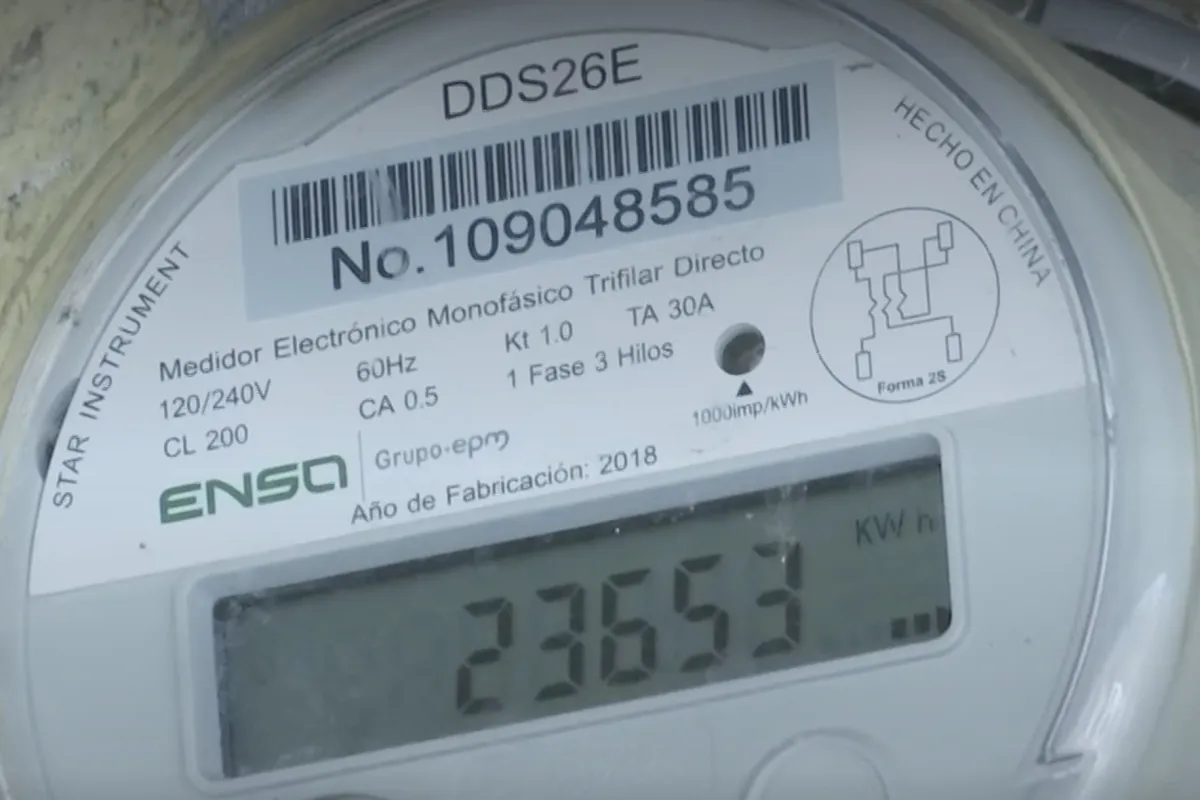
Panama’s electricity distributors are racing against the calendar. By October, they must completely transform how they handle meter replacements, customer complaints, and billing statements. The National Authority for Public Services (ASEP) has drawn a hard line in the sand. Companies that fail to meet these requirements will face sanctions.
Zelmar Rodriguez, the administrator general of ASEP, confirmed the timeline in a recent announcement. She stated that the regulatory body has already identified the root causes of service failures across Panama’s electrical grid. The solutions are ready. Now execution is everything.
‘The causes of the failures have already been identified and the solutions are outlined. If they are not implemented within the expected timeframe, we will proceed with the application of sanctions’ [Translated from Spanish]
What Changes Are Coming to Your Electric Bill
The most visible change for everyday consumers will arrive in their mailboxes. ASEP has ordered a complete redesign of the electricity bill. The goal goes beyond aesthetics. The regulator wants customers to understand their actual energy consumption, not just the total amount due.
This represents a shift in philosophy. For years, Panamanian households received bills that prioritized the final payment figure. The new format will break down usage patterns in plain language. Consumers will see when they use the most power and how their habits affect monthly costs. Rodriguez emphasized that education is part of the plan. ASEP wants to teach people how to read their bills, not just pay them.
The redesign touches on broader electricity consumer rights Panama has been working to strengthen. Clear billing is a fundamental right in modern utility regulation. When customers cannot decode their statements, they cannot challenge errors or adjust their consumption.
Meter Replacements and Complaint Processing Get Faster
Behind the scenes, distributors must overhaul their operational procedures. The new requirements cover meter changes for two distinct scenarios. First, when equipment becomes outdated and needs upgrading. Second, when customers file complaints about unexpectedly high consumption.
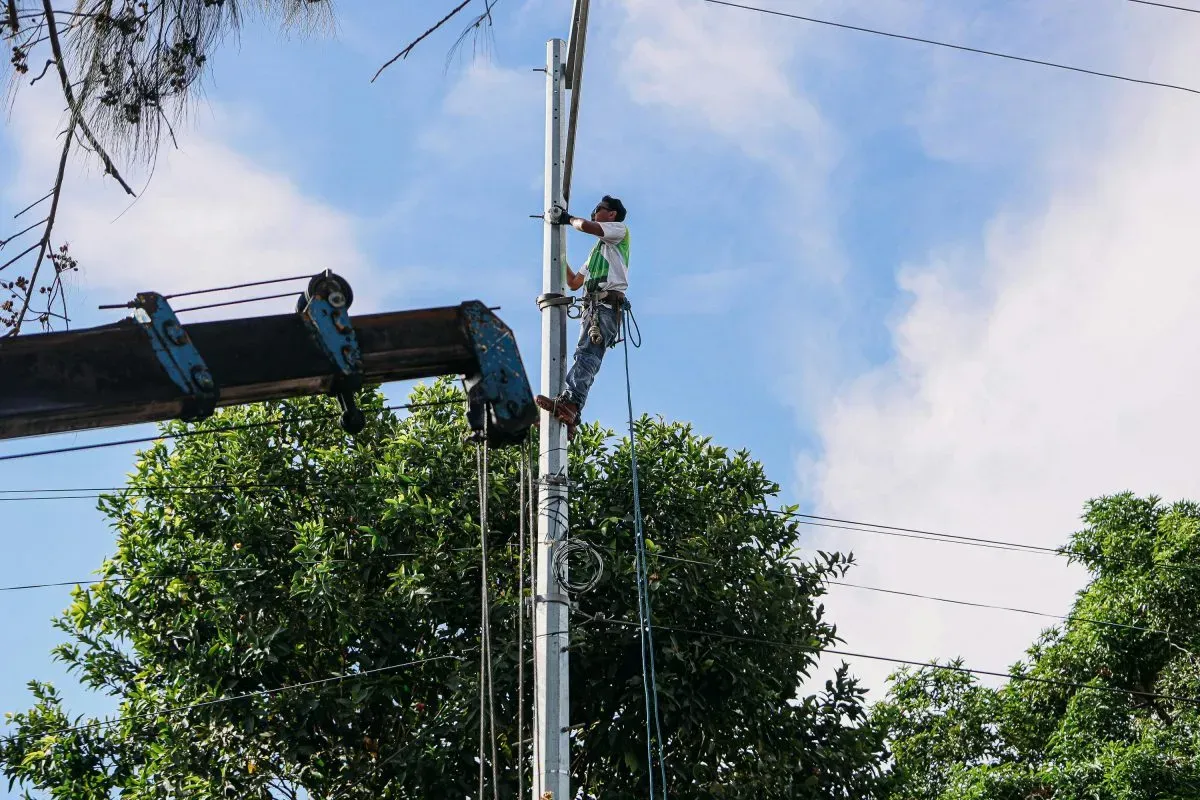
Both situations demand faster response times. Under the current system, some households wait weeks for a meter inspection or replacement. The new rules compress those timelines significantly. ASEP has also demanded better maintenance of the distribution network itself. Aging infrastructure causes voltage fluctuations and outages that damage appliances and frustrate residents.
Rodriguez stated that her office is in constant communication with the distribution companies. These meetings serve as checkpoints. The regulator is not simply issuing orders and walking away. They are monitoring progress week by week.
Why Panama’s Power Grid Needs This Overhaul
Panama’s electricity sector has grown rapidly alongside its economy. The country boasts one of Central America’s most reliable grids, but growing pains have emerged. Population density in Panama City and the surrounding provinces strains older distribution lines. Suburban development has outpaced infrastructure upgrades in some areas.
The Panama electricity distribution regulation framework has evolved to address these challenges. ASEP operates under Law No. 15 of 1994, which established the agency’s authority to enforce quality standards. The current push represents one of the most aggressive regulatory actions in recent memory.
Industry observers note that similar reforms in other Latin American countries took years to implement fully. Panama’s October deadline is ambitious. It forces companies to restructure internal processes that have remained unchanged for decades. The distribution firms must now hire additional technical staff, upgrade inventory systems for meter stock, and retrain customer service teams.
Sanctions Loom for Non-Compliance
Rodriguez did not specify the exact penalties for missing the October deadline. But her warning was clear. ASEP has legal authority to impose fines and potentially revoke operating licenses for chronic violations. The agency has shown increasing willingness to use these powers in recent years.
For consumers, the stakes are personal. A redesigned bill means no more confusion about why the monthly charge suddenly spiked. Faster meter replacements mean fewer disputes dragging on for months. Better network maintenance means fewer sudden blackouts during evening hours.
The changes also signal something larger about Panama’s regulatory environment. The government is moving toward more aggressive consumer protection across multiple sectors. Telecommunications, water, and electricity have all seen new oversight measures in the past two years. This electricity reform may serve as a template for how other regulated industries could be forced to improve service under government pressure.
October will arrive quickly. The distribution companies have no room for delays. Whether they can meet the deadline depends on how seriously they have been preparing behind closed doors. Rodriguez and her team at ASEP will be watching closely.