


Panama’s ambassador to the United Nations publicly demanded the release of a detained Panameño mariner this week. Eloy Alfaro de Alba made the appeal before the United Nations Security Council, linking the sailor’s case to broader human rights concerns in Venezuela.
The diplomatic intervention marks a significant escalation in efforts to free Olmedo Javier Núñez Peñalba. Venezuelan authorities detained him over seven months ago after intercepting his vessel.
From Routine Voyage to Diplomatic Flashpoint
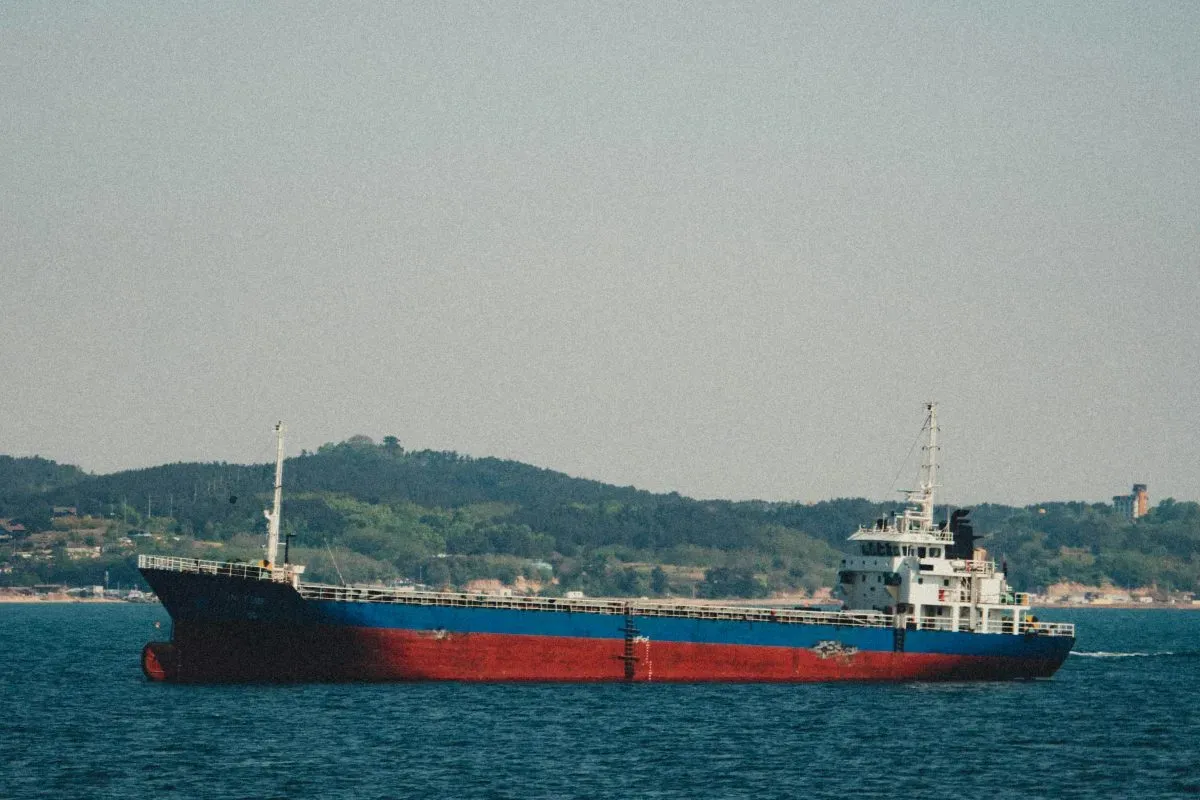
Olmedo Javier Núñez Peñalba was working as part of the crew on a Panamanian-flagged ship. His life changed on June 11 when the Venezuelan National Bolivarian Armed Force intercepted the vessel Guaiquerí N35. Officials claimed the ship entered a restricted maritime zone, a charge Panama has questioned.
His family has lived with uncertainty since that day. They have repeatedly requested basic information about his health and legal status. Full diplomatic relations between the two countries remain suspended, severely limiting consular access and transparency.
Ambassador Alfaro de Alba’s statement before the Security Council formally internationalized Núñez Peñalba’s predicament. The ambassador also reiterated Panama’s position that it does not recognize Delcy Rodríguez as Venezuela’s legitimate president.
“Panama requests the liberation of all political prisoners detained in that country, including the Panamanian Olmedo Javier Núñez Peñalba,” Alfaro de Alba told the council. [Translated from Spanish]
This framing categorizes the mariner as a political prisoner. It transforms a consular case into a component of Panama’s broader critique of Venezuela’s governance.
A Family’s Wait for Answers
Back in Panama, Núñez Peñalba’s wife and mother await any fragment of news. Milagro Vergara and Ruth Peñalba maintain hope for his safe return. They still lack verified details about specific charges or any pending judicial process against him.
Panamanian officials say they have persistently sought clarity from Venezuelan counterparts. The government’s strategy now involves leveraging multilateral forums to apply pressure. Núñez Peñalba served as the ship’s machine maintenance officer, a routine job that landed him at the center of a geopolitical dispute.
National authorities and political observers within Panama continue monitoring the situation. They stress the imperative of protecting the fundamental rights of the detained citizen. The case underscores the vulnerabilities faced by mariners working in politically tense international waters.
Diplomatic channels remain active, though progress appears slow. For now, the Panamanian mariner’s fate rests on continued international advocacy and the response from Caracas. His family simply waits for a resolution that brings him home.