


Panama’s agricultural export sector recorded a year of strong growth in 2025, driven by a streamlined digital certification process. Official data shows a 22 percent increase in the issuance of export phytosanitary certificates compared to the previous year, a key indicator of rising international trade for Panamanian farm products.
The National Plant Health Directorate, part of the country’s Ministry of Agricultural Development (Panama), processed a total of 18,850 certifications. This volume reflects both high domestic productivity and more efficient inspection protocols that meet stringent international standards. These documents are mandatory for shipping plant-based goods across borders, verifying they are free from pests and diseases.
“The digitalization has allowed Panama to remain competitive in a demanding global market, guaranteeing traceability and speed with each shipment,” states the Plant Health Directorate report. [Translated from Spanish]
The ministry credits a fully digital management system for the significant progress. The Agro-Export Department now handles all phytosanitary paperwork electronically, eliminating physical bureaucracy and reducing operational costs for local producers. This technological modernization is a central component of the sector’s recent success.
International Agreements Expand Market Access
Panama has successfully established electronic data exchange agreements with over 50 countries. Key strategic partners in this network include the United States, Costa Rica, Guatemala, Argentina, Chile, and all 27 member states of the European Union. These digital partnerships expedite customs clearance and enhance the reliability of Panamanian shipments.
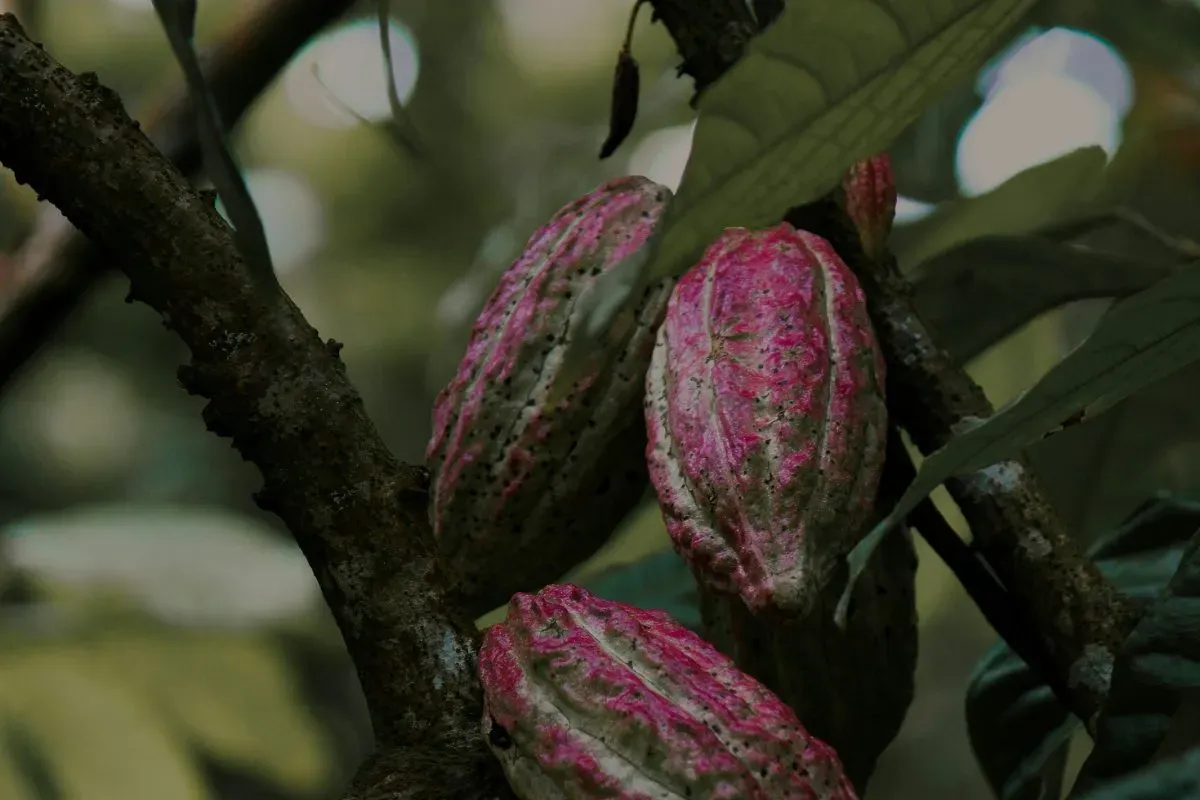
The export portfolio leading this dynamic growth is diverse. It includes bananas, pineapple, papaya, cucurbits, oil palm, teak wood, coffee, and high-quality cocoa. The performance of Panamanian cocoa is particularly notable as it consolidates as one of the country’s most exported items, gaining recognition in specialty international markets.
For exporters, the shift to a 100 percent digital system means faster turnaround times and lower expenses. They can now submit applications and receive crucial documentation online without in-person visits to government offices. This efficiency is vital for perishable agricultural goods where shipping delays can result in major financial losses.
“These certificates are vital documents that guarantee plant products comply with the strict health requirements of destination countries, allowing the Panamanian supply to successfully reach tables around the world,” the ministry explained in a statement. [Translated from Spanish]
The international standards underpinning these certificates are set by the Phytosanitary Certification framework. Panama’s alignment with these global norms provides importing nations with confidence in the safety of its agricultural products. This trust is fundamental for maintaining and expanding market access.
Officials view the digital transformation as an ongoing process. Future efforts will likely focus on integrating more advanced tracking technologies and expanding the electronic agreement network to new potential markets in Asia and other regions. The goal is to build on the current momentum.
Panama’s agricultural sector now demonstrates how bureaucratic innovation can directly stimulate economic growth. By replacing paper with digital processes, the country has removed a traditional barrier to trade. The 22 percent jump in certifications translates directly to more Panamanian products on global shelves and increased revenue for local farming communities. This model could inform similar modernization efforts in other export-driven economies.