


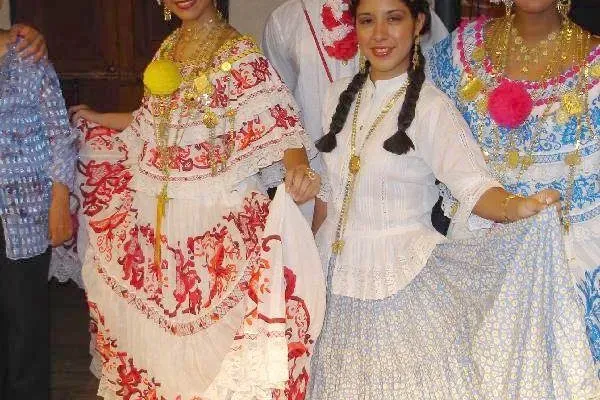
The Panamanian Ministry of Culture has launched a new artisan marketplace to harness the economic power of one of the country’s largest folkloric events. Officials unveiled the plan for a dedicated “Artisan Walkway” in Las Tablas this week, aiming to transform the annual Thousand Polleras Parade into a stronger engine for regional commerce and cultural promotion.
This strategic initiative seeks to capitalize on the thousands of visitors who travel to Los Santos Province each year for the iconic festival. The walkway will provide a centralized venue for artisans from across Panama to display and sell handmade goods directly to attendees. By creating this formal space, the government intends to amplify the event’s financial impact beyond the parade itself, directly supporting national craftspeople.
“This project leverages the visitor flow to strengthen the artisan economy and promote the work of our national creators,” said a Ministry of Culture official. [Translated from Spanish] The official added that the goal is to project Panamanian folklore on both a national and international stage through these new commercial opportunities.
Construction and preparation of the walkway in Las Tablas is now underway. Its launch is timed for the next iteration of the parade, immediately creating new sales channels for traditional textiles, accessories, and crafts. This move is part of a broader strategy to position the parade as a central axis for regional development, a plan that includes scaling back direct government involvement in organizing participant delegations. That shift grants community groups more freedom to showcase their own traditions and typical costumes like the intricate Panamanian pollera.
Creating a Regional Economic Ring
Economic benefits are expected to radiate beyond Las Tablas. Coordinated cultural activities are planned for La Villa de Los Santos and Pedasí during the same period. Officials describe this multi-city activation as forming an “economic development ring” for the Azuero Peninsula. The ripple effect should boost local hotels, restaurants, transportation services, and food vendors.
Authorities emphasized a powerful domestic tourism trend. When Panamanians travel within their own country to celebrate traditions, they activate a vital economic flow. That internal movement sustains small businesses and entrepreneurs who rely on cultural festivities for their livelihood. The new artisan walkway is a direct response to that phenomenon, designed to capture more spending and keep it within the creative sector.
The Ministry of Culture (Panama) is also deploying new digital promotion platforms for event managers. These tools aim to give greater visibility to folkloric activities, attracting both local and international attention to Panama’s cultural wealth. This approach mirrors other cultural infrastructure projects, similar to other heritage site renovations.
Final preparations for the walkway and the expanded festival programming are ongoing. The success of this model could set a precedent for other major cultural events across Panama, demonstrating how heritage celebration can be strategically linked to sustainable economic growth for artisan communities.