


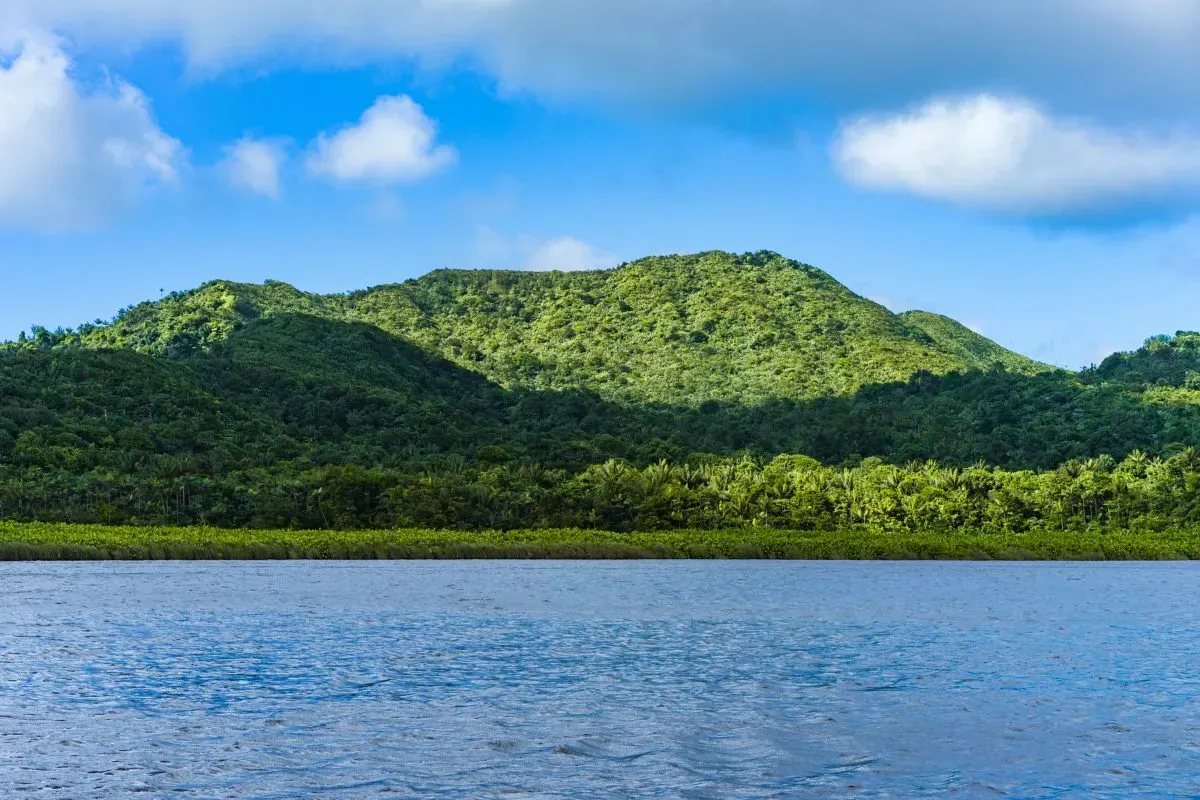
Panama’s Ministry of Environment has launched a major restoration initiative for Los Andes Lake, an urban ecosystem in San Miguelito degraded by years of pollution. Officials and community groups began coordinated work this week aiming to reverse environmental damage and promote sustainable tourism. The effort focuses on cleaning solid waste, improving water quality, and reforesting the lake’s shores to protect its notable biodiversity.
The lake, located in the Omar Torrijos township, suffers from several interconnected challenges. These include contamination from trash, degraded water conditions, and loss of natural vegetation. Despite these pressures, the area remains a vital habitat for diverse bird species and other wildlife. The Ministry of Environment (Panama) is now providing technical support to a pre-existing community committee leading the conservation charge.
Community Leadership Drives Conservation Vision
National Director of Water Security Karima Lince directed the inter-institutional workday. She framed the project as a partnership that builds upon strong local foundations. The ministry is combining efforts with its Metropolitan Region office plus specialists in environmental culture and forestry.
“We are here to support a process the community is already leading,” Lince said. [Translated from Spanish] “This is a space with multiple challenges, like the presence of solid waste, water pollution, and the need for reforestation. It also has enormous potential because, despite the damage, nature persists and maintains high biodiversity.”
Lince specifically highlighted the lake’s importance as a bird habitat. She sees a clear opportunity to develop community-based sustainable tourism through partnerships with birdwatching associations. Protecting this urban refuge requires strengthening local organizations and building new alliances. The national directorl emphasized that the lake is a shared water body between two key sub-watersheds, necessitating a broad collaborative approach.
This visit responded directly to work by the Matías Hernández River Sub-watershed Committee. That group is part of a larger basin committee and has pushed for the lake’s protection for some time. Their advocacy helped bring national resources to the local restoration project.
Local Advocates Envision a Sustainable Future
Community leaders expressed strong optimism about the lake’s potential transformation. Juan Erazo, president of the Matías Hernández River Sub-watershed Committee, called the site the only lake in the township and a natural attraction. He believes it can anchor a new model for community-led eco-tourism.
Erazo pointed to existing grassroots efforts as proof of local commitment. Residents have already organized clean-ups, managed solid waste, and worked to recover green areas. Their goal is improving environmental conditions to foster social well-being and sustainable local development. This foundational work makes the area ripe for expanded institutional support.
Abdel Filos leads the community-based organization CALA and founded Macheterapia. He described Los Andes Lake as both a historical site and a community conservation symbol. It serves as a key stop for migratory birds and a gathering point for various environmental groups.
“A notable biodiversity is registered in the area,” Filos added. [Translated from Spanish] “This includes species of herons, iguanas, turtles, and other reptiles, as well as sightings of wild fauna like capybaras and agoutis. This reinforces the urgency of protecting this urban ecosystem.”
This rich wildlife persists in a body of water with an unusual origin. Los Andes Lake formed after the creation of a quarry in 1947. Excavators dug a massive, deep pit during its final phase. An underground spring later filled the cavity with water, creating the lagoon. Longtime residents even claim the original quarry machinery remains submerged at the bottom.
The new restoration plan will require sustained watershed management across jurisdictional lines. Success depends on maintaining the partnership between the ministry’s technical teams and the motivated local committees. If the collaboration holds, Los Andes Lake could transition from a degraded urban space into a national model for community-driven ecological recovery. The work has only just begun.