


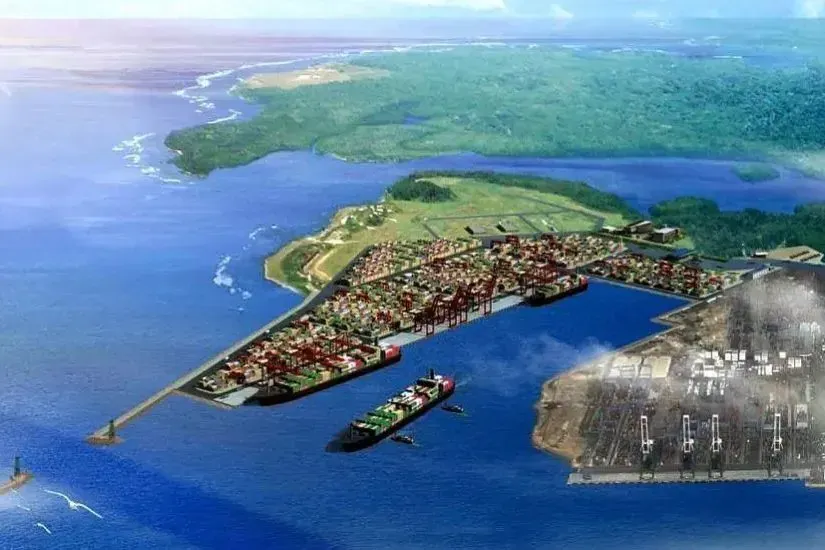
The Supreme Court of Justice of Panama has rejected a legal challenge against the government’s seizure of land on Isla Margarita. This ruling clears a final hurdle for a major state-led port infrastructure project on the Atlantic entrance to the Panama Canal.
In a unanimous decision, the court’s full bench declined to admit a lawsuit filed by the concession holder, Panama Colón Container Port, Inc. (PCCP). The company had argued that Executive Decree No. 90, signed in October 2025, was unconstitutional. That decree authorized the expropriation of 41 properties on the island for reasons of urgent social interest.
Court Cites Procedural Grounds for Dismissal
The legal action specifically targeted articles within the decree dealing with the land transfer, the compensation process, and the state’s occupation authority. Justices concluded the petition did not meet the formal requirements outlined in the Judicial and Civil Procedural Codes. Their technical dismissal allows the expropriation process to proceed without delay.
Government documents supporting the decree cite alleged contractual breaches by PCCP as further justification. Authorities claim the consortium, which has links to foreign capital including Hong Kong’s Landbridge Port Services, fell into arrears on concession fees. The reported delinquency exceeds $1.4 million in royalties and surcharges.
“The project seeks to boost the country’s geographical position as a logistics transshipment hub, attract foreign investment, and generate new employment opportunities in Colón province,” President José Raúl Mulino stated following the decree’s signing. [Translated from Spanish]
Officials also noted that required investment guarantee bonds and insurance policies under the 2013 concession contract had lapsed. Some financial guarantees had been expired for two to three years, according to government assessments.
Government Moves Forward with International Tender
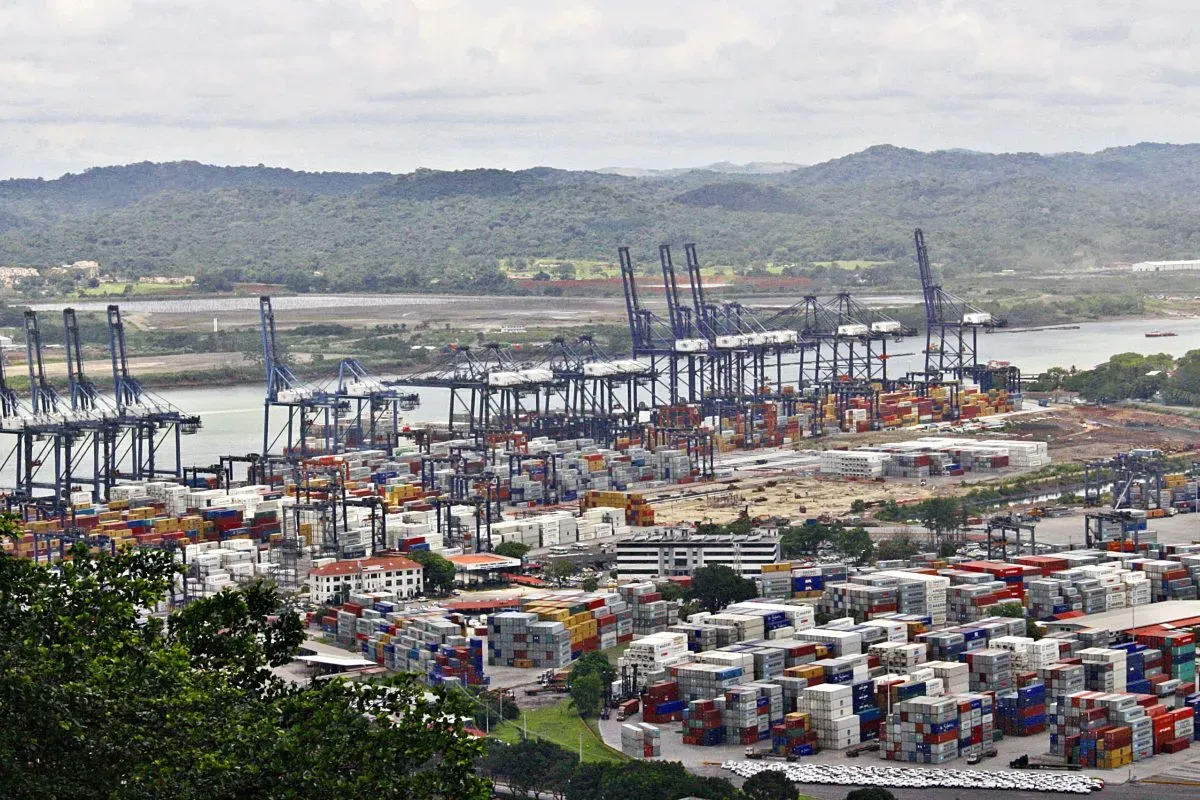
With the court’s decision, the path is now clear for the state to assume control of the isla margarita properties. President Mulino had previously instructed the Panama Maritime Authority to prepare terms for an international tender. That bidding process is expected to be launched within the first few months of this year.
The government views the area as one of the last available spaces for development near the Atlantic canal entrance. Its proximity to an existing terminal operated by Evergreen significantly increases its strategic value for global shipping lines. Developing this port infrastructure is a central pillar of the administration’s economic strategy.
This legal outcome reinforces the state’s authority to reclaim assets deemed critical for national development. It follows a pattern of recent high-stakes rulings from the Supreme Court of Justice of Panama on resource and concession matters. The corte suprema has been active in adjudicating disputes between the state and large foreign investors.
For the province of Colón, the project promises a potential economic lift. The region has historically struggled with inequality despite its pivotal role in global trade. New port construction would likely bring a wave of construction jobs followed by permanent positions in logistics and operations.
PCCP has not yet issued a public statement following the court’s ruling. The company’s legal options are now limited after this definitive procedural block. Its concession over the disputed lands is effectively terminated.
Panama’s push to expand its port capacity aligns with global trends toward nearshoring and supply chain diversification. The country aims to solidify its position as a premier maritime hub. Controlling key infrastructure like the Panama Canal and its supporting ports offers a significant competitive advantage.
Observers will now watch for the publication of the international tender specifications. The project’s scale and location will attract attention from major global port operators. Its development will reshape the industrial landscape of Panama’s Atlantic coast for decades to come.