


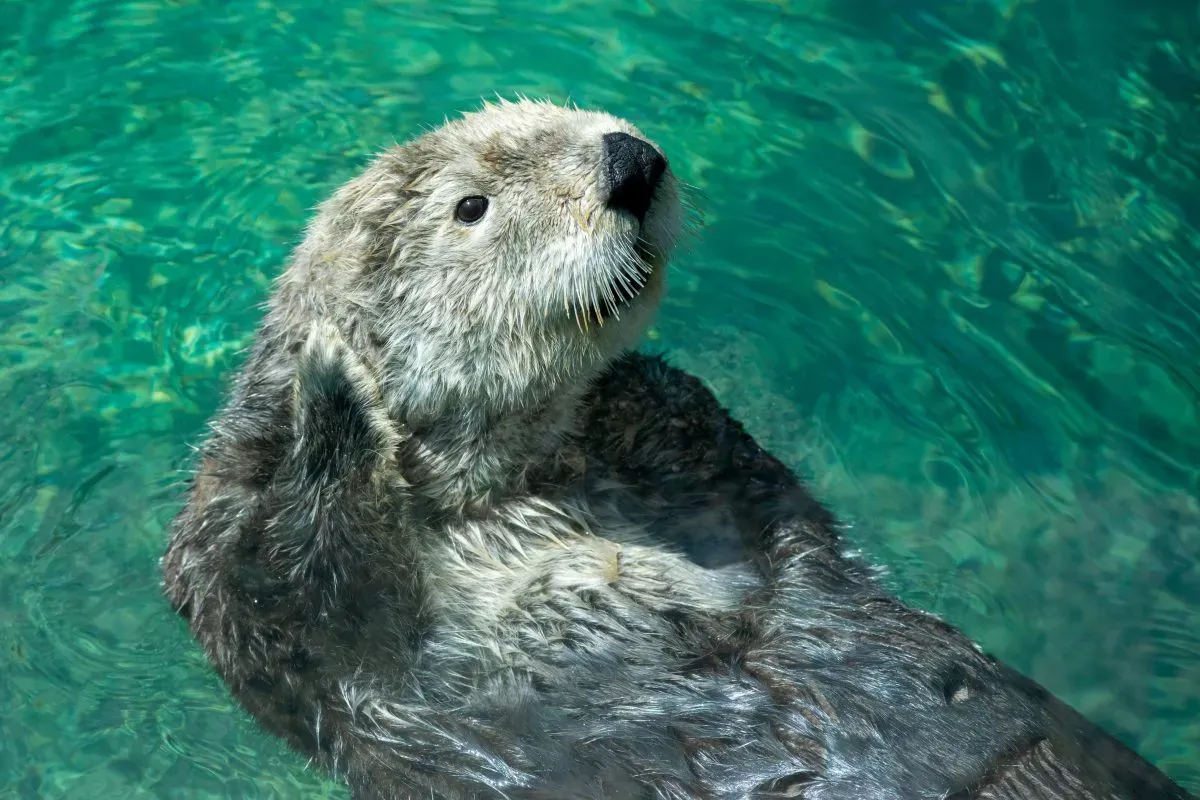
Two young Panamanian scientists have launched pioneering research on the Mesoamerican otter in the country’s central watersheds. The project marks the first ecological data collection for this species in Panama.
The research focuses on the Lontra annectens species across river basins in Veraguas and Herrera provinces. Scientists Gabriela Quintana and Ángel Pérez lead the field studies with support from the Coiba Scientific Station and the National Autonomous University of Mexico (UNAM). [Translated from Spanish]
Field Studies in Veraguas and Herrera
Gabriela Quintana, a student at the International Maritime University of Panama, works in the upper Santa María River basin in Veraguas. She analyzes the species’ abundance and distribution patterns there.
Ángel Pérez, from the University of Panama’s Azuero campus, conducts research in the middle La Villa River basin in Herrera. His work focuses specifically on the Mesoamerican otter’s diet and feeding habits.
Both projects include community perception surveys. These surveys help researchers understand how local populations interact with the otter and its environment.
International Scientific Support
Dr. Eric E. Flores, a researcher at the Coiba Scientific Station, and Dr. Pablo Hernández from UNAM provide direct scientific guidance for both studies. Their expertise strengthens the project’s comparative and scientific approach. [Translated from Spanish]
The results will generate critical data on otter populations in central Panama. Officials say this information will prove essential for designing national conservation strategies.
Ecological Importance and Conservation Status
The Mesoamerican otter plays a fundamental role in aquatic ecosystems. It helps maintain balance among fish populations and other organisms. The species also serves as a key indicator of river and wetland health.
The International Union for Conservation of Nature lists several otter species as facing significant threats. However, the Mesoamerican otter has not received a full evaluation yet. This gap exists due to its recent classification as a distinct species.
Deforestation, hunting, illegal trade, and water pollution pose serious risks to the otter’s survival. Researchers warn these factors could accelerate population decline without proper monitoring.
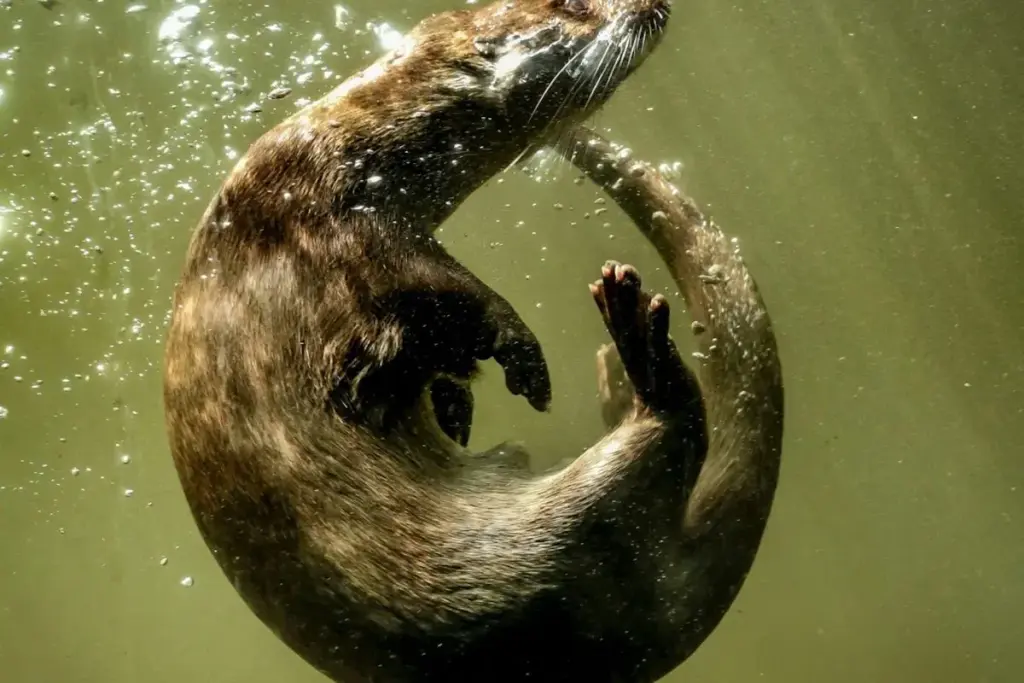
International Otter Day Connection
The research coincides with International Otter Day, celebrated annually on May 27. The global event raises awareness about otter protection worldwide.
International conservation organizations promote the day. Panamanian researchers and their advisors maintain active collaboration with these groups.
Next Steps for Research
The team plans to expand monitoring to additional river systems in 2025. They will deploy camera traps and collect water samples for genetic analysis.
Officials at the Coiba Scientific Station confirmed they will publish preliminary findings by late 2024. The data will help determine whether the Mesoamerican otter requires protected status under Panamanian law.
Local communities have already reported otter sightings in areas previously thought uninhabited. Researchers say this suggests the species may have a wider range than currently documented.