


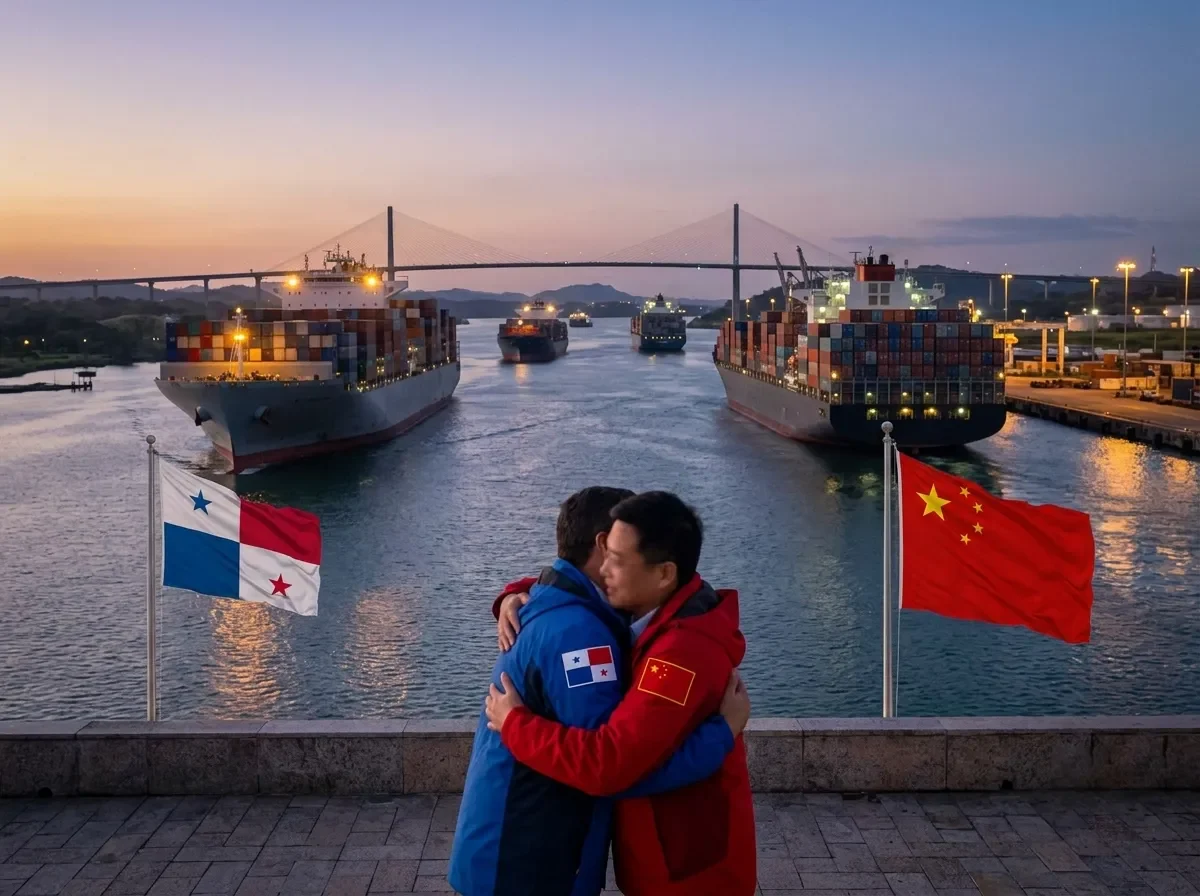
The number of vessels flying the Panamanian flag detained at Chinese ports has plummeted dramatically. Official figures released by Panama’s government show only 16 ships were held in July, a sharp contrast to the 140 detentions recorded in May. This represents an 88 percent reduction in just two months.
The timing of this decline is no coincidence. It follows high-level discussions between Panamanian and Chinese authorities, who are currently renegotiating the Panama-China Maritime Transport Agreement. Both sides appear to have found common ground on inspection practices that had been causing friction.
Data from the Tokyo Memorandum of Understanding on Port State Control confirms the trend. The detention rate for Panamanian-flagged ships in mainland Chinese ports fell to 10 percent in July. That’s a massive improvement from March, when 21 percent of inspections ended with ships being held. The situation worsened through April at 35 percent and peaked in May at 37 percent before easing to 25 percent in June.
The Panama ship registry is one of the largest in the world, making these numbers critical for the country’s maritime reputation. When a significant portion of a fleet faces detention, it sends ripples through the global shipping industry. Insurers, charterers, and port authorities all take notice.
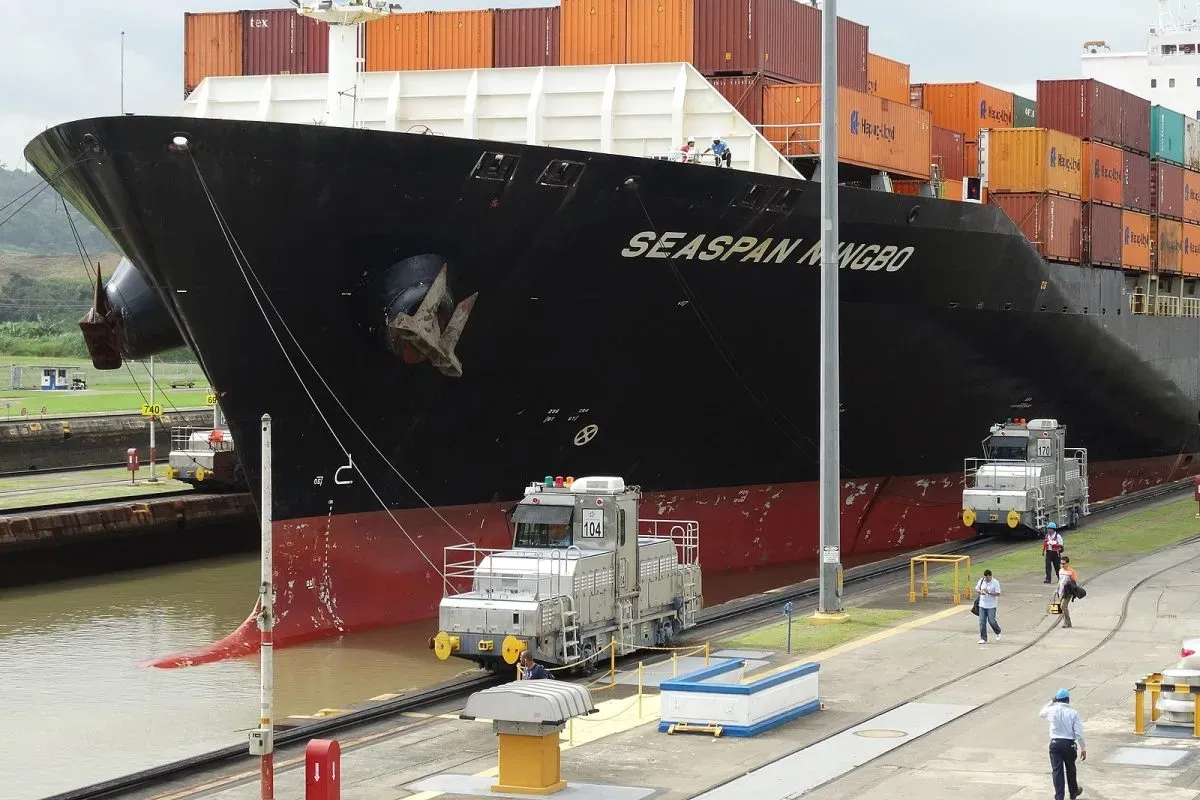
Diplomatic Breakthrough on Maritime Issues
Panamanian officials have indicated that the improving numbers reflect better treatment for vessels carrying their flag. The bilateral conversations appear to have produced tangible results. Both governments reportedly reached consensus on reforming the existing maritime agreement, which has been in place for years.
The negotiations aim to maintain a coordinated relationship in port and merchant marine matters. Sources close to the talks say the updated agreement will streamline administrative procedures and create greater operational advantages for ships. This matters enormously for Panama, whose registry has long been a cornerstone of its economy.
China’s role as a major trading partner cannot be overstated. The Asian giant handles massive volumes of container traffic, and its port inspections carry weight far beyond its borders. When Chinese authorities detain ships, it often triggers inspections elsewhere under international port state control regimes.
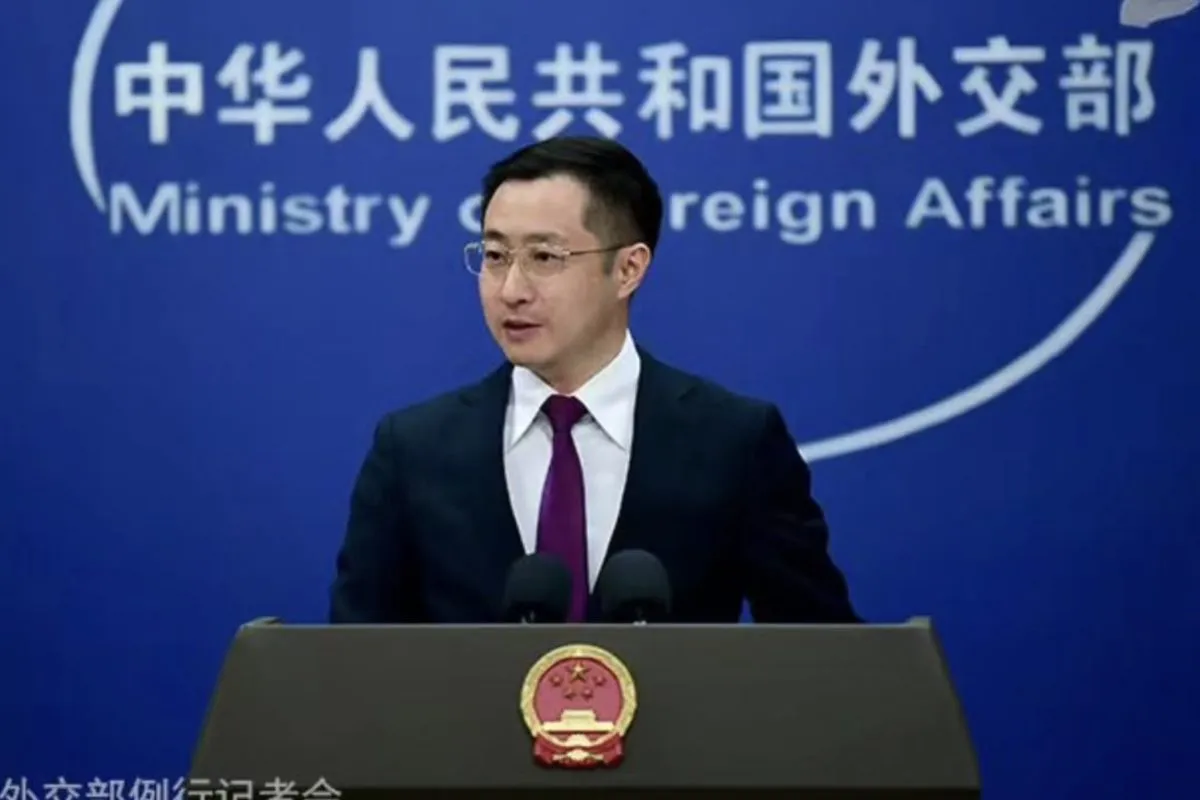
Broader Implications for Global Shipping
The detention rate spike earlier this year had raised alarms in maritime circles. Some industry observers worried it signaled a broader crackdown on flags of convenience. Panama’s registry, while legitimate, has historically attracted shipowners seeking favorable tax treatment and regulatory flexibility.
Panama’s government says it will continue monitoring the statistics closely. Officials are committed to consolidating these gains through ongoing negotiations. The goal is to ensure the reduction in detentions becomes a permanent feature of bilateral maritime relations rather than a temporary reprieve.
The Maritime Transport Agreement talks represent a broader effort to modernize the framework governing shipping between the two nations. With thousands of vessels affected, the stakes could not be higher for both Panama’s registry and China’s supply chain reliability.
What This Means for Shipowners
For the estimated 8,000 ships currently flying the Panamanian flag, the news brings relief. Detentions cause costly delays, trigger insurance claims, and damage a vessel’s commercial prospects. A ship held in port can lose tens of thousands of dollars per day in missed voyages and charter obligations.
The improvement also benefits Chinese ports, which handle enormous volumes of international trade. Smooth operations at facilities like Shanghai, Shenzhen, and Ningbo depend on predictable inspection outcomes. When detention rates fluctuate wildly, it creates uncertainty for logistics planners and freight forwarders.
Panama’s maritime authorities have emphasized that they will continue working to protect the interests of their flag fleet. The country’s registry has faced scrutiny before, but each challenge has been met with diplomatic engagement and regulatory adjustments. This latest episode demonstrates the power of direct government-to-government communication in resolving complex maritime disputes.
The coming months will test whether the July numbers represent a genuine shift or simply a statistical anomaly. But for now, Panamanian-flagged ships are moving through Chinese ports with far fewer interruptions than they faced just two months ago. That’s good news for a maritime nation whose flag flies on vessels crossing every ocean on Earth.