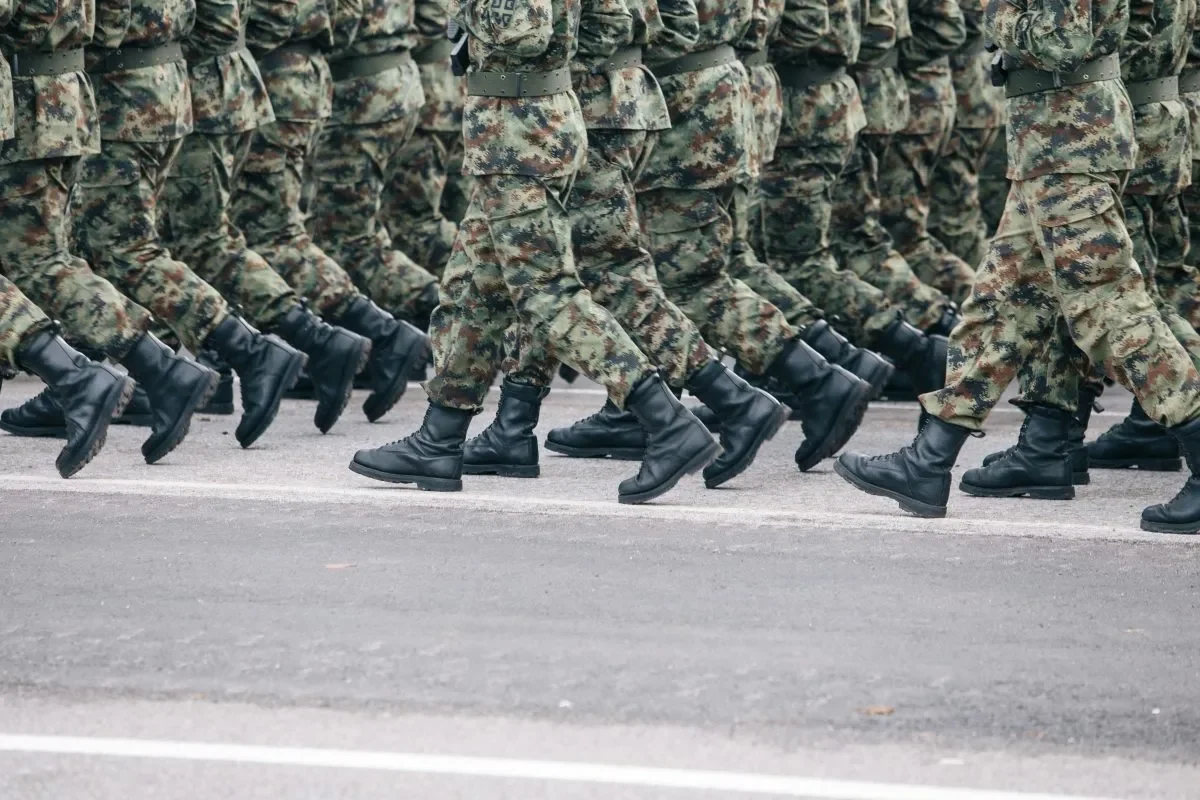
The last time Nelis Pittí heard her grandson’s voice was July 5. He told her he was heading out on a mission. He promised to call when he returned. That call never came. The 20-year-old from Chiriquí province had traveled to Russia after someone promised him a job making plastic furniture for more than $10,000 a month. Now his family fears the worst. They believe he was tricked into joining the Russian military instead.
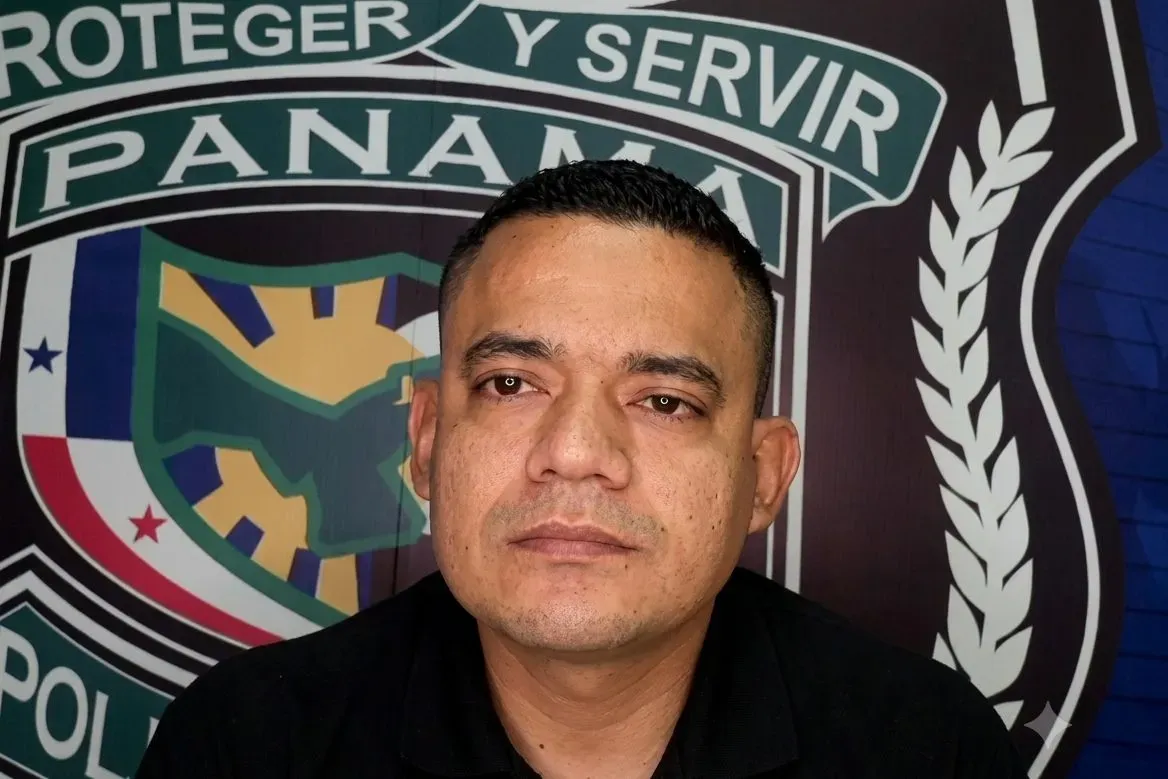
Pittí’s grandson is not the only young Panamanian who has vanished under similar circumstances. Multiple families have come forward saying their loved ones accepted what appeared to be lucrative job offers abroad, only to disappear once they reached Russian territory. The cases have triggered a formal investigation by the Panama Ministry of Public, which is examining whether these disappearances constitute human trafficking for military purposes.
A Journey That Raised Red Flags
The young man’s route to Russia was long and circuitous. He left Panama and made stops in Colombia, France and Turkey before finally entering Russian territory. Throughout the journey, his grandparents stayed in touch with him. Everything seemed normal until he stopped responding. Pittí now believes her grandson may have known the real reason for his trip all along. She suspects he understood the job offer was a cover for military recruitment. Whether he went willingly or under deception remains unclear.
The Public Ministry maintains an open investigation into the matter. Prosecutors are treating the case as a potential trafficking operation. The key question is whether these young men were coerced, deceived or knowingly volunteered for combat roles. Under Panamanian law, even voluntary participation in foreign military activities can raise legal questions if deception was involved in the recruitment process.

Broader Regional Concerns
Panama is not the only Latin American country dealing with this issue. Across the region, authorities have reported cases of young people being lured to conflict zones with false promises of high-paying jobs. The offers often target vulnerable populations in rural areas like Chiriquí, where employment opportunities are limited and a $10,000 monthly salary sounds life-changing. Traffickers exploit this desperation, dangling salaries that seem too good to be true. They often are.
International observers have noted a pattern. Recruitment networks operate through social media and personal connections. They promise factory work, security jobs or construction contracts. Once the recruits arrive, their passports are taken and they are pressured into military service. Some are told they owe money for travel expenses and must work off the debt. Others are simply threatened.
What Authorities Are Doing
The Panama Ministry of Public has not released detailed findings yet, but officials confirmed they are tracking multiple cases. The investigation includes looking into whether any Panamanian citizens have ended up fighting for Ukrainian forces as well. This suggests the trafficking networks may operate on both sides of the conflict. The geographic scope of the probe has expanded beyond Russia alone.
Families have pleaded with the government to intervene diplomatically. They want Panama to contact Russian authorities and demand information about their missing relatives. So far, no official statements have been made about any formal diplomatic requests. The lack of communication between the two countries complicates the search effort. Panama does not have a large embassy presence in Russia, which limits its ability to track citizens on the ground.
The Human Cost of Deception
For Pittí and other families, the waiting is unbearable. They do not know if their sons and grandsons are alive, injured or dead. They do not know if they are fighting in a war they never intended to join. The emotional toll is heavy. Every day without news deepens the fear that these young men may never come home.
The case highlights a dark side of globalization. The same technology that connects people across borders also allows traffickers to operate with alarming ease. A fake job offer can travel from Russia to a small town in Chiriquí in seconds. The consequences last a lifetime. Families are left with unanswered questions and a government racing to catch up with a crisis that has already unfolded.
Authorities urge anyone with information about similar recruitment offers to come forward. The investigation remains active. But for the families who have already lost contact with their loved ones, the priority is simple. They just want their children back.