


At least two ex-Senafront members killed after being deceived into combat roles; families unable to recover bodies
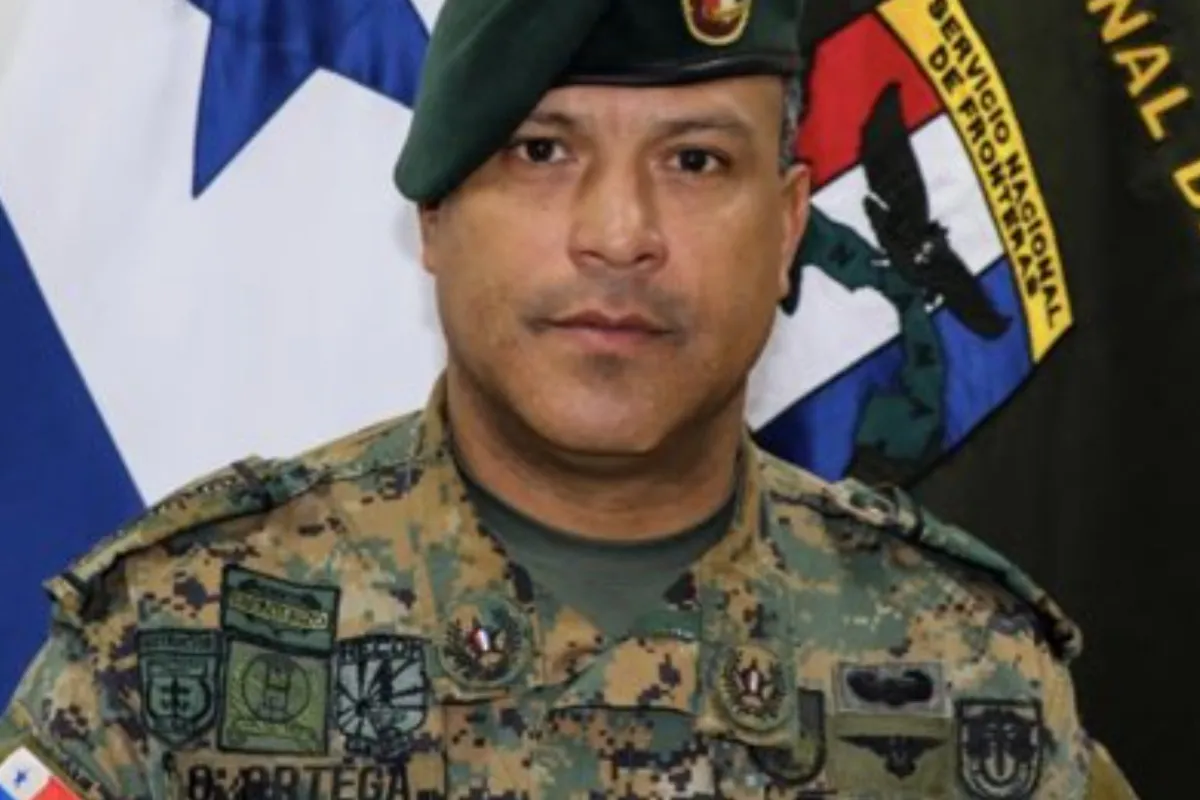
The former director of Panama’s National Border Service (Senafront), retired Commissioner Oriel Ortega, has revealed that at least two former members of the force have died fighting in the Russia-Ukraine war, victims of an international recruitment network that lures Latin American military personnel with false job promises.
📑 Table of Contents
- At least two ex-Senafront members killed after being deceived into combat roles; families unable to recover bodies
- The Deception Model
- Trafficking Hidden Behind Contracts
- Hybrid Warfare and Mercenary Evolution
- A Call to Panama’s Armed Forces
- Government Response
- Family Suffering and Diplomatic Challenges
- Historical Context
Ortega, who led Senafront until 2021, confirmed that these men resigned from the border patrol service earlier this year and traveled to Eastern Europe after receiving what they believed were legitimate job offers. They died on the front lines – and their families have been unable to recover their remains.
The situation has grown more alarming with Ortega’s disclosure that a third individual, described as a beloved member of the Special Forces patrols, has been missing for over a year after departing for conflict zones.
This revelation comes as the government confirmed at least 15 Panamanians have been recruited to fight in the war, and families continue to demand answers about their loved ones’ fates.
The Deception Model
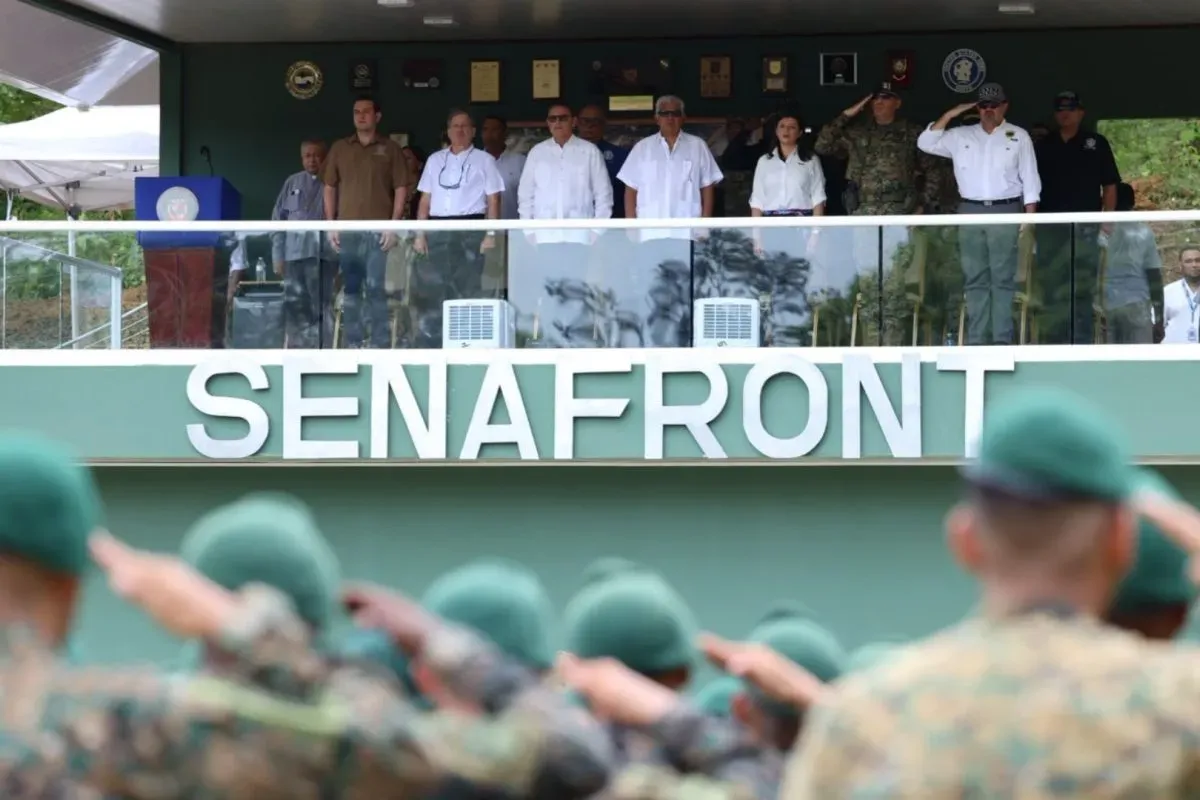
Ortega described a systematic pattern of fraud employed by private recruitment companies operating in Panama and across the region. The scheme follows a familiar playbook: recruiters advertise positions in heavy machinery operation, mechanical work, or private security – occupations that appeal to former military personnel with technical skills.
“Upon arrival at their destination, they are forced to take up arms and thrown directly into the line of fire,” Ortega explained.
The retired commissioner emphasized that this is not an isolated phenomenon but part of a growing global industry of private military recruitment that has intensified during the Ukraine conflict. He noted that similar cases have emerged across Latin America, with documented instances in Colombia, El Salvador, and Cuba.
Trafficking Hidden Behind Contracts
Ortega used strong language to characterize the operation, labeling it a form of human trafficking – a term that carries serious legal implications under Panamanian and international law.
The economics of the scheme reveal significant exploitation: Ortega stated that the recruiting networks, which involve both Panamanians and foreign nationals, profit enormously from each recruit. While international companies earn up to $10,000 per person, the recruits receive only between $2,500 and $3,500.
This disparity, Ortega argued, demonstrates the predatory nature of the operations and the vulnerability of those seeking economic opportunity. Panama’s Public Ministry, he insisted, must investigate the Panamanian recruiters involved, as their actions constitute criminal offenses that are costing citizens’ lives.
Hybrid Warfare and Mercenary Evolution
Ortega placed the current situation within a broader context of changing warfare tactics. He noted that the phenomenon of mercenaries – or what he called “little green men,” a term that gained prominence during Russia’s 2014 annexation of Crimea – has worsened under the new model of hybrid warfare.
This form of conflict, which combines conventional military operations with irregular tactics, cyber warfare, and the use of private military contractors, has created an environment where recruiters can operate with relative impunity. Ortega expressed concern that there is no clear regulation in multilateral organizations to prevent the great powers from contracting these private armies.
The use of foreign fighters has been a feature of the Ukraine conflict from its early stages, with both sides employing international recruits. However, Ortega’s revelations highlight a dimension often overlooked: the vulnerability of Latin American citizens who become entangled in these networks.
A Call to Panama’s Armed Forces
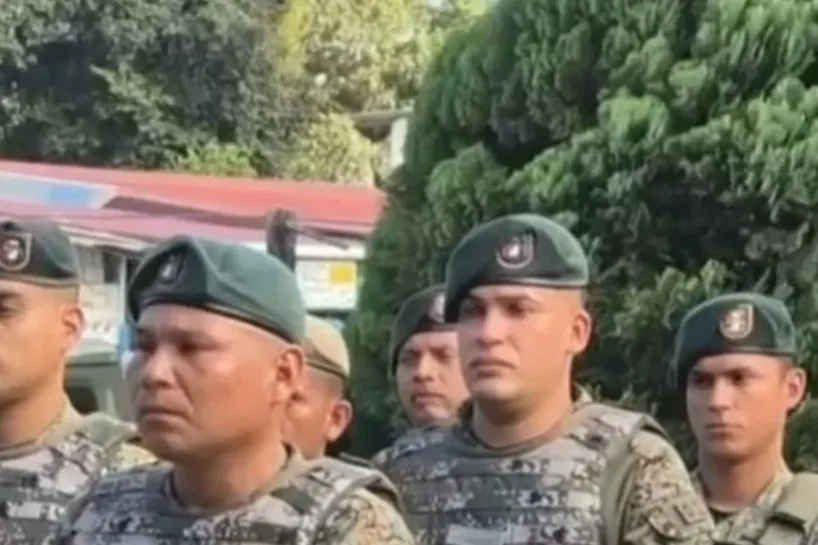
The former Senafront chief issued a direct warning to active and retired members of Panama’s public security forces, urging them to resist recruitment offers and recognize the danger hidden behind attractive employment advertisements.
He also called on the state to provide guidance and prevention programs for young people, particularly those who seek a sense of purpose after failing to gain admission to police academies or military institutions. These individuals, Ortega warned, are especially vulnerable to recruitment networks that promise meaning, adventure, and economic reward.
“Panama must orient its youth to prevent them from falling into these international networks,” Ortega insisted.
Government Response
The Mulino administration has maintained its position that these are individual decisions for which the state bears no responsibility. However, the Foreign Ministry has confirmed it is gathering information and has promised consular assistance to families seeking to locate relatives through diplomatic channels.
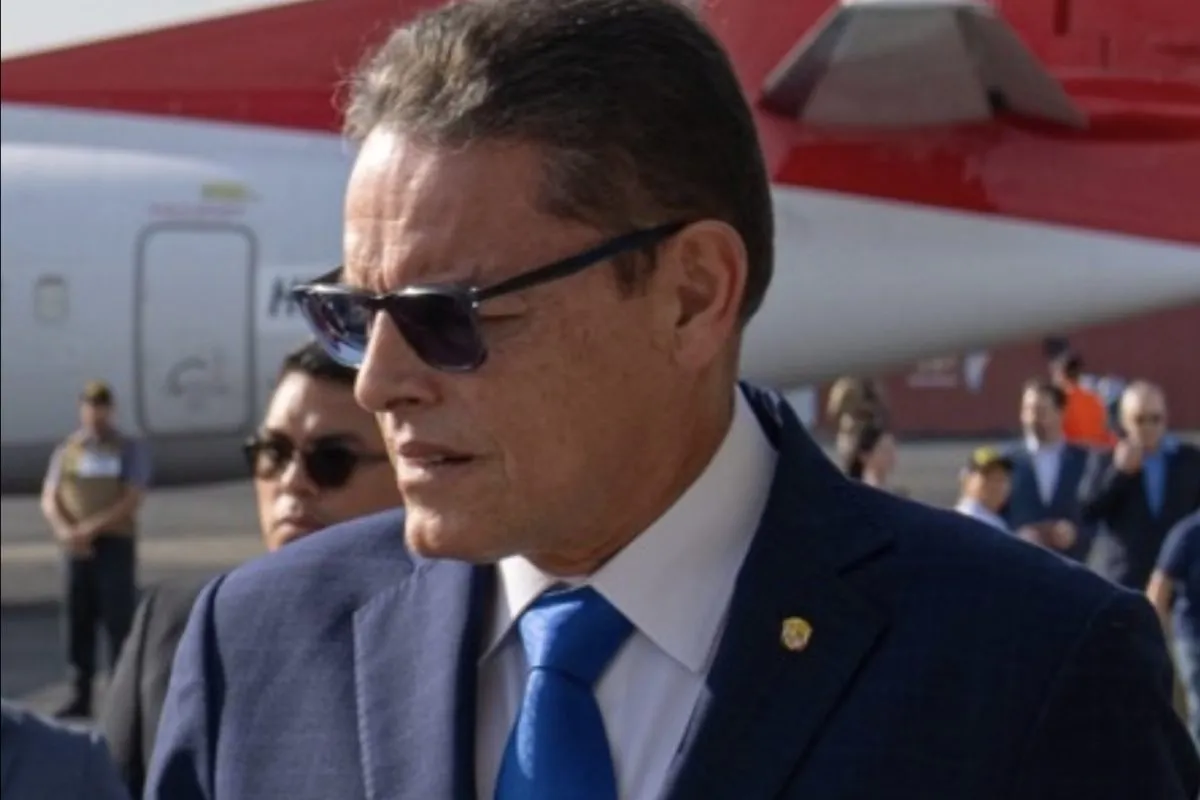
Security Minister Frank Ábrego acknowledged that both his ministry and the Foreign Ministry were aware of the situation before public revelations emerged. He advised citizens to exercise extreme caution regarding international job offers that may have hidden military purposes.
The government has not confirmed the specific number of ex-Senafront members involved, and the Foreign Ministry has stated it is still verifying available information while collaborating with diplomatic missions in Moscow and Poland.
Family Suffering and Diplomatic Challenges
Perhaps the most painful aspect of the situation is the inability of families to recover the bodies of their deceased loved ones. Ortega confirmed that while families have received confirmation of their relatives’ deaths, the bodies remain in conflict zones – a bureaucratic and logistical nightmare compounded by the ongoing war.
The situation has intensified calls for the government to provide more active assistance. Families of the affected individuals have not yet had direct contact with government officials, who describe the matter as one of personal decisions made by adult citizens.
Legislators have demanded answers from the Foreign Ministry, and the matter has drawn attention to broader questions about Panama’s ability to protect its citizens from international criminal networks operating with relative freedom in the digital space.

Historical Context
The recruitment of Latin American citizens for international conflicts is not without precedent. During the 20th century, various countries in the region saw citizens travel to fight in the Spanish Civil War, the Korean War, and other international conflicts. More recently, the wars in Iraq and Afghanistan saw similar recruitment patterns.
However, the scale and sophistication of the current operation – enabled by social media, international payment systems, and the protracted nature of the Ukraine conflict – represent a new challenge for Panamanian authorities. Ortega’s warnings underscore the urgent need for a coordinated response involving diplomatic, law enforcement, and social protection agencies.
The United Nations has documented concerns about private military and security companies operating in conflict zones, but enforcement mechanisms remain limited. As Ortega noted, the absence of clear multilateral regulations leaves vulnerable populations exposed to exploitation by powerful state and non-state actors involved in the Ukraine war.
The tragedy unfolding for these Panamanian families serves as a stark reminder of how global conflicts exact a toll far beyond their immediate battlefields, reaching into communities thousands of miles away.