



US university partnerships and a specialized research center aim to transform the nation’s economic profile
A $675 billion global industry – projected to double in value over the next decade – has captured Panama’s attention. The country is preparing to launch an ambitious national strategy on July 30 that seeks to position it as a player in the semiconductor and microelectronics sector, a field that powers everything from smartphones and medical equipment to automobiles and telecommunications systems.
📑 Table of Contents
- US university partnerships and a specialized research center aim to transform the nation’s economic profile
- A $105 Million Commitment to Human Capital
- US Academic Partnerships Take Center Stage
- Building a Specialized Research Center
- Beyond Semiconductors: An AI Roadmap
- Regional Ambition in a Global Context
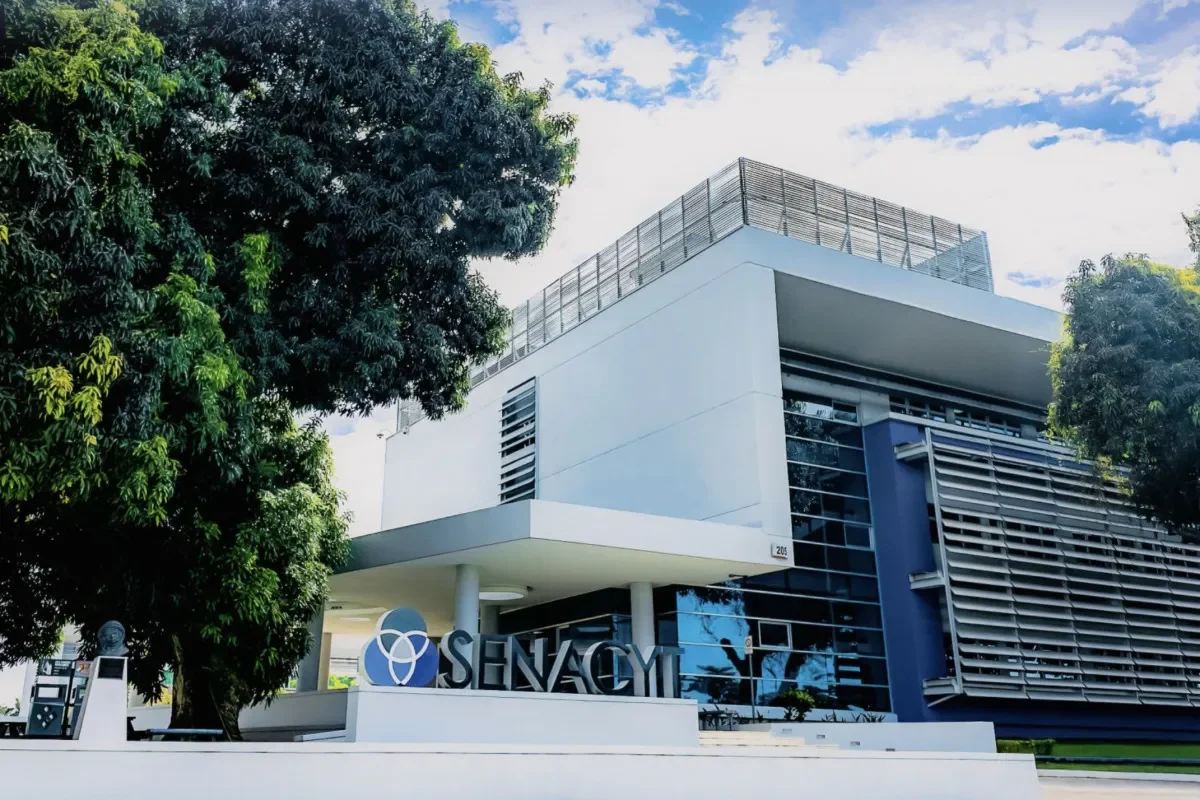
The initiative, spearheaded by the National Secretariat of Science, Technology and Innovation (Senacyt), represents far more than a technological upgrade. According to Juan José Pimento, director of Critical and Emerging Technologies at Senacyt, the proposal aims to fundamentally transform Panama’s economic matrix through talent development, specialized infrastructure, and investment attraction.
A $105 Million Commitment to Human Capital
The government has allocated $105 million to drive this vision forward, with a significant portion dedicated to education and professional training. This includes new scholarship programs for master’s and doctoral studies, but officials emphasize that the country also needs technicians, engineers, and specialists across multiple disciplines.
The strategy focuses on positioning Panama across various stages of the semiconductor value chain – from chip design and electronic card development to assembly, testing, and packaging processes. This approach reflects an understanding that participation in the industry requires a diverse workforce with varying skill levels.
US Academic Partnerships Take Center Stage
Arizona has emerged as a key partner in this endeavor. The state is considered one of the primary semiconductor development hubs in the United States, and Panamanian officials have forged alliances with three major institutions: Arizona State University, Northern Arizona University, and the University of Arizona.
Representatives from these universities are scheduled to visit Panama next week to formalize academic and research collaboration programs. This follows a broader framework established under the CHIPS and Science Act of 2022, which designated Panama as one of five partner countries – alongside Vietnam, Indonesia, the Philippines, and Costa Rica – for strengthening the global semiconductor supply chain.
The US Department of State awarded a $13.8 million cooperative agreement to Arizona State University under the International Technology Security and Innovation Fund to support these international partnerships. The initiative aims to boost assembly, testing, and packaging capabilities abroad while ensuring a resilient supply chain for American semiconductor manufacturers.
Panama’s selection was driven by its “unparalleled logistics capabilities, favorable business environment, and remarkable political stability,” according to a 2023 announcement from the US government.

Building a Specialized Research Center
The strategy also involves strengthening the Center for Advanced Semiconductor Technologies (C-TASC), which will operate on the campus of the Technological University of Panama (UTP). The center is conceived as a non-profit space for training, research, and academic innovation, resulting from collaboration between industry, academia, and government.
The project includes construction of a dedicated building with specialized laboratories and a clean room – essential for developing and manufacturing high-precision electronic components. C-TASC will be open to students and researchers from all universities across the country, not exclusively UTP.
The center’s board of directors includes representatives from multiple institutions, including SENACYT, APEDE, the Chamber of Commerce, and INADEH, with the Comptroller General participating to ensure transparency and accountability.
Beyond Semiconductors: An AI Roadmap
Alongside the semiconductor strategy, Senacyt will present a national roadmap for artificial intelligence development. Unlike the semiconductor initiative, this strategy will be cross-cutting, aiming to drive digital transformation across education, healthcare, logistics, industry, and public services.
A recent national hackathon brought together students from various universities to solve real-world problems posed by international companies – an experience that has already sparked interest from foreign firms in establishing operations in Panama.

Regional Ambition in a Global Context
The launch event on July 30 is expected to draw representatives from major universities and technology companies, signaling Panama’s ambition to become a regional leader in innovation. This initiative aligns with broader global trends: the COVID-19 pandemic exposed critical vulnerabilities in semiconductor supply chains, prompting nations worldwide to seek diversification and resilience.
Panama’s strategic position, with the Panama Canal at its center and an established logistics infrastructure, offers competitive advantages that officials believe make the country an “exceptional choice” for semiconductor assembly, packaging, and testing operations. The expansion of this industry has the potential to create well-paying jobs, particularly for young Panamanians, while enhancing the country’s technological capabilities.
The Purdue connection adds another dimension: in 2024, Purdue University and Panama signed a memorandum of understanding to enhance educational opportunities and workforce development, with discussions about establishing a Global Workforce Development Center for Advanced Technology in Panama. This follows a separate agreement with the Krach Institute for Tech Diplomacy at Purdue, providing access to educational platforms for government and industry leaders.