


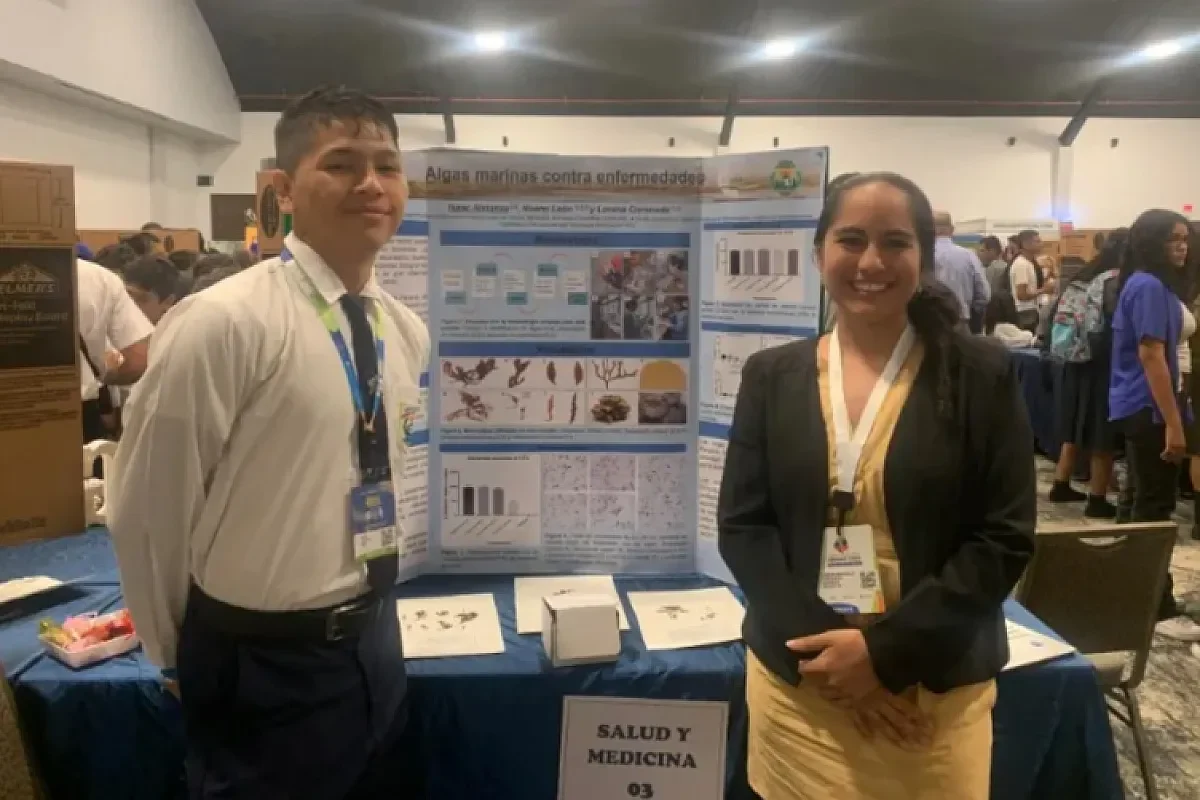
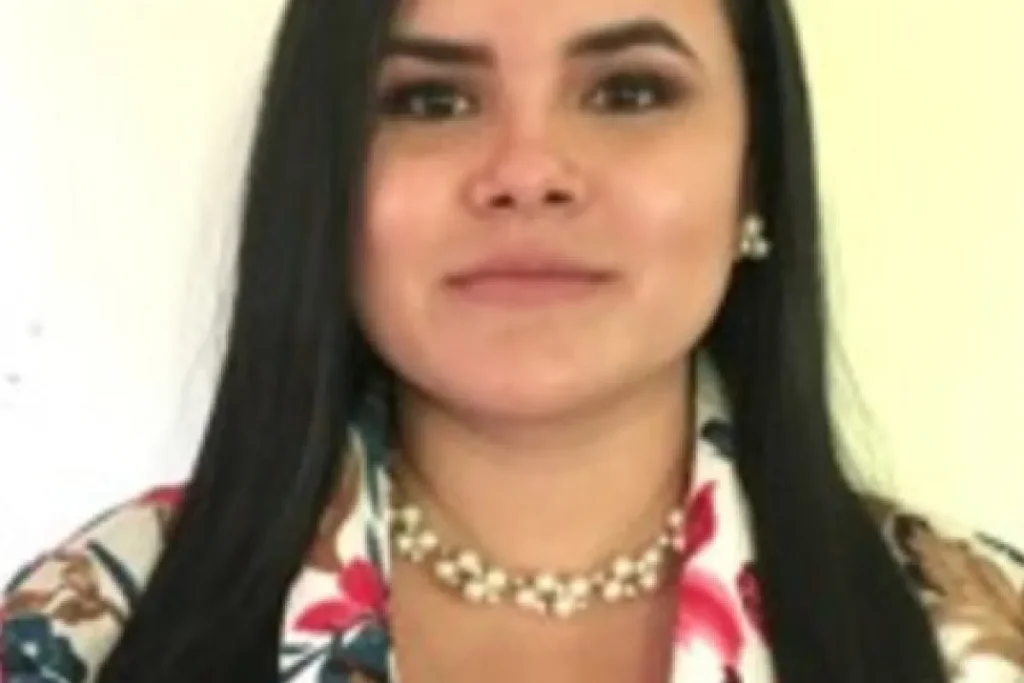
A teenager from Panama West has done what many scientists spend decades attempting. Isaac Almanza, a student at the Cristóbal Adán de Urriola Basic Education Center in Arraiján, discovered that common beach seaweed could hold the key to fighting one of humanity’s oldest killers. His research, published in the Oxford University Press journal Integrative and Comparative Biology, shows that sargassum algae can stop the malaria parasite in its tracks.
The story begins in 2023. Almanza joined the Young Scientists Program, an initiative run by the Panama National Secretariat of Science Technology and Innovation. Dr. Lorena Coronado, a researcher at the Institute of Scientific Research and High Technology Services (Indicasat AIP), became his mentor. Teacher Noemí León de Santos provided guidance along the way. Together, they turned a simple question into a breakthrough.
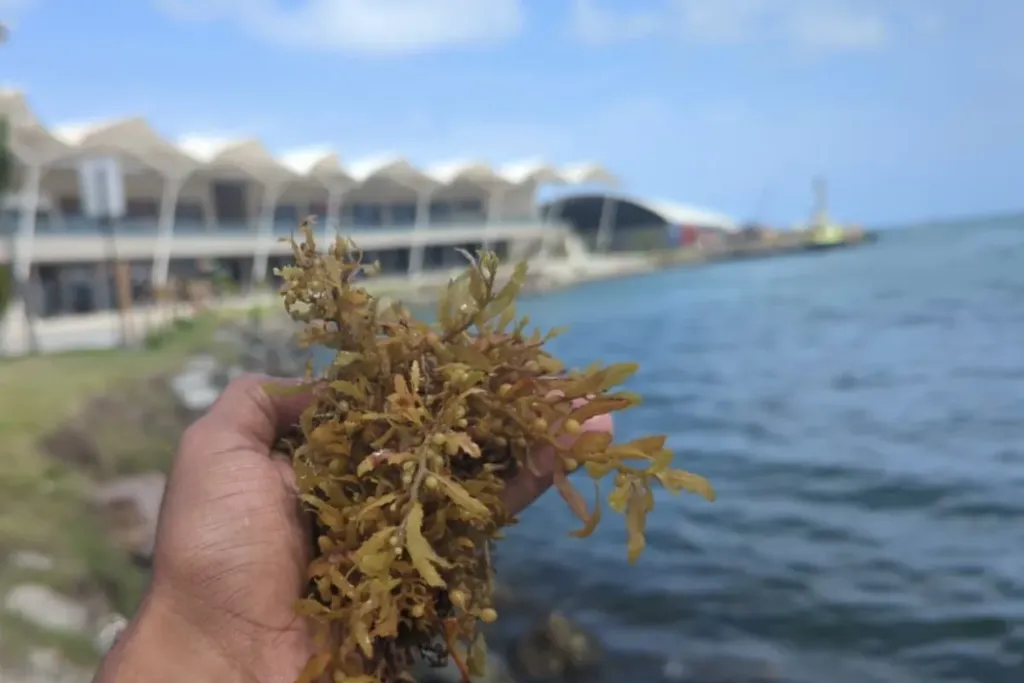
How Sargassum Attacks the Malaria Parasite
The team tested two specific types of sargassum that wash up naturally on Panama’s Caribbean coast. These were Sargassum fluitans and Sargassum natans. Both are considered invasive pests in many coastal communities. Tourists hate them. Fishermen curse them. But inside these floating brown algae, the researchers found something remarkable.
Water extracts from both species significantly inhibited the growth of Plasmodium falciparum. This is the parasite that causes the most dangerous form of malaria. The lab tests showed something even more promising. The extracts did not produce toxic effects on the human cells tested. This suggests the algae contain selective bioactive compounds that target the parasite without harming the patient.
‘The results position pelagic sargassum biomass as a natural resource with potential for discovering new antimalarial drugs and developing sustainable biotechnological applications’ [Translated from Spanish]
This matters because malaria treatment faces serious challenges. The parasite has developed resistance to many standard drugs. Scientists need new chemical compounds from natural sources. The ocean remains largely unexplored for this purpose. Sargassum, however, arrives on shore in massive quantities every year. It is abundant, renewable, and costs nothing to collect.
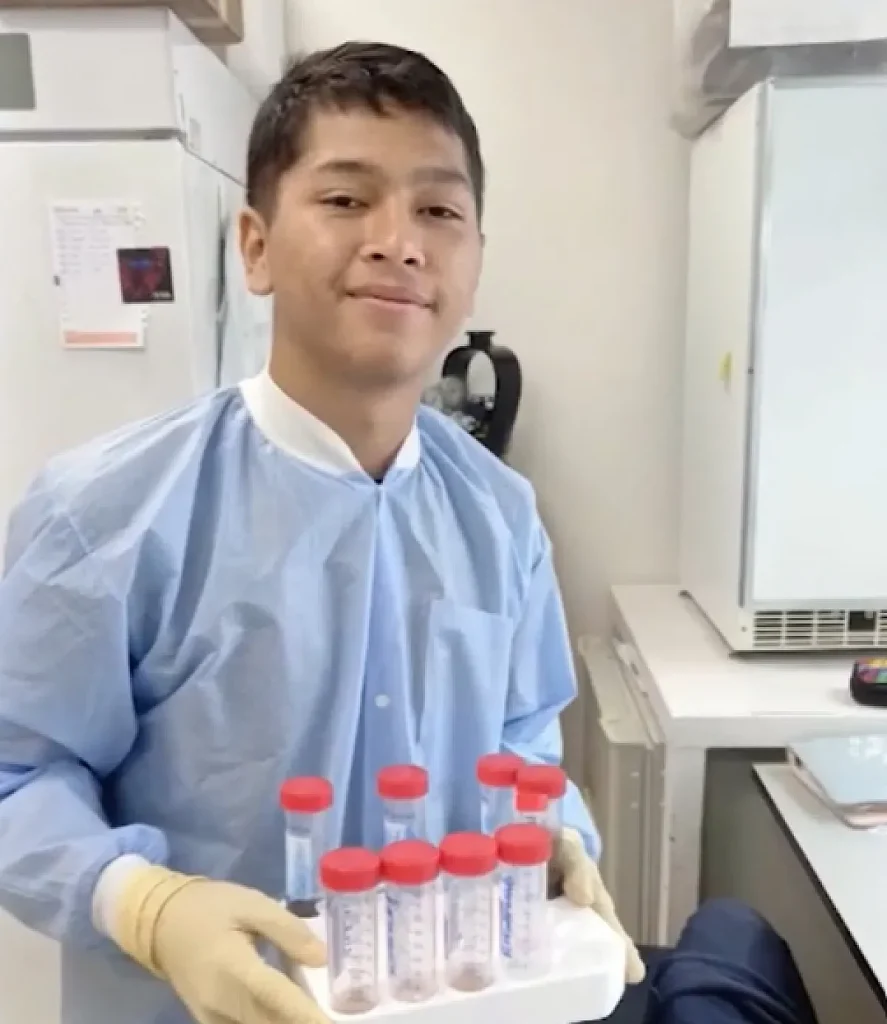
From Classroom Curiosity to International Publication
The study, titled “Antimalarial Activity of Pelagic Sargassum fluitans and Sargassum natans along the Caribbean Coast of Panama,” was published on July 3, 2026. It appears in a special international collection focused on innovative research in integrative and comparative biology. For a student from a public school in Arraiján, this represents an extraordinary achievement.
Panama has invested heavily in its Young Scientists Program. The initiative identifies talented students early and pairs them with professional researchers. Almanza’s case proves the model works. He started with no laboratory experience. Within three years, he co-authored a paper in a prestigious scientific journal. His work now joins a global conversation about how to defeat malaria.
The research also has environmental implications. Sargassum blooms have become more frequent and massive in recent years. They clog beaches, harm tourism, and disrupt marine ecosystems. Finding a valuable use for this biomass turns a problem into a resource. The same seaweed that smells bad on Panama City beaches could someday save lives in sub-Saharan Africa.
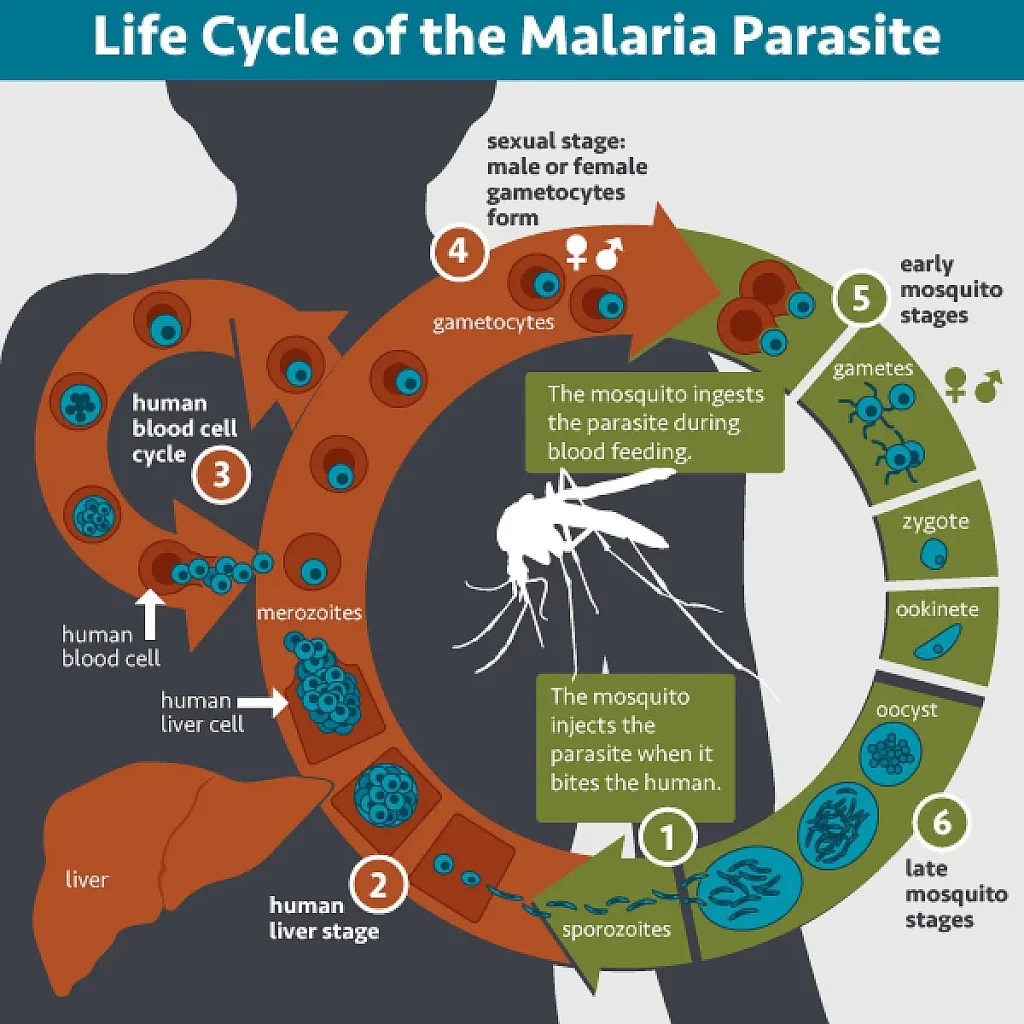
Ancient Remedy Meets Modern Science
The idea of using seaweed for medicine is not new. Traditional Chinese medicine has used marine algae for centuries. Historical records show that Malaria treatment from Sargassum was documented in ancient Chinese texts. What Almanza and his team did was apply rigorous scientific methods to test this traditional knowledge. Their results confirm what healers suspected long ago.
Malaria remains a devastating disease. The World Health Organization reports over 200 million cases annually. Most victims are children under five in Africa. The disease kills hundreds of thousands each year. New treatments are not just desirable. They are essential. Panama’s contribution to this fight comes from an unlikely source. A student, a teacher, and a scientist followed their curiosity to the beach.
The next steps involve isolating the specific compounds responsible for the antimalarial activity. The team wants to understand exactly how the seaweed kills the parasite. They also need to test the extracts in animal models. Clinical trials in humans remain years away. But the foundation is solid. The science is published. The world is watching.
For Panama, this research represents more than a scientific achievement. It demonstrates that talent exists everywhere. Great discoveries can start in small classrooms. The key is giving young people the opportunity to explore. The Young Scientists Program provided that opportunity. Isaac Almanza grabbed it. Now his name appears in a journal published by one of the world’s oldest universities. Not bad for a kid from Arraiján who just wanted to know what the seaweed could do.