


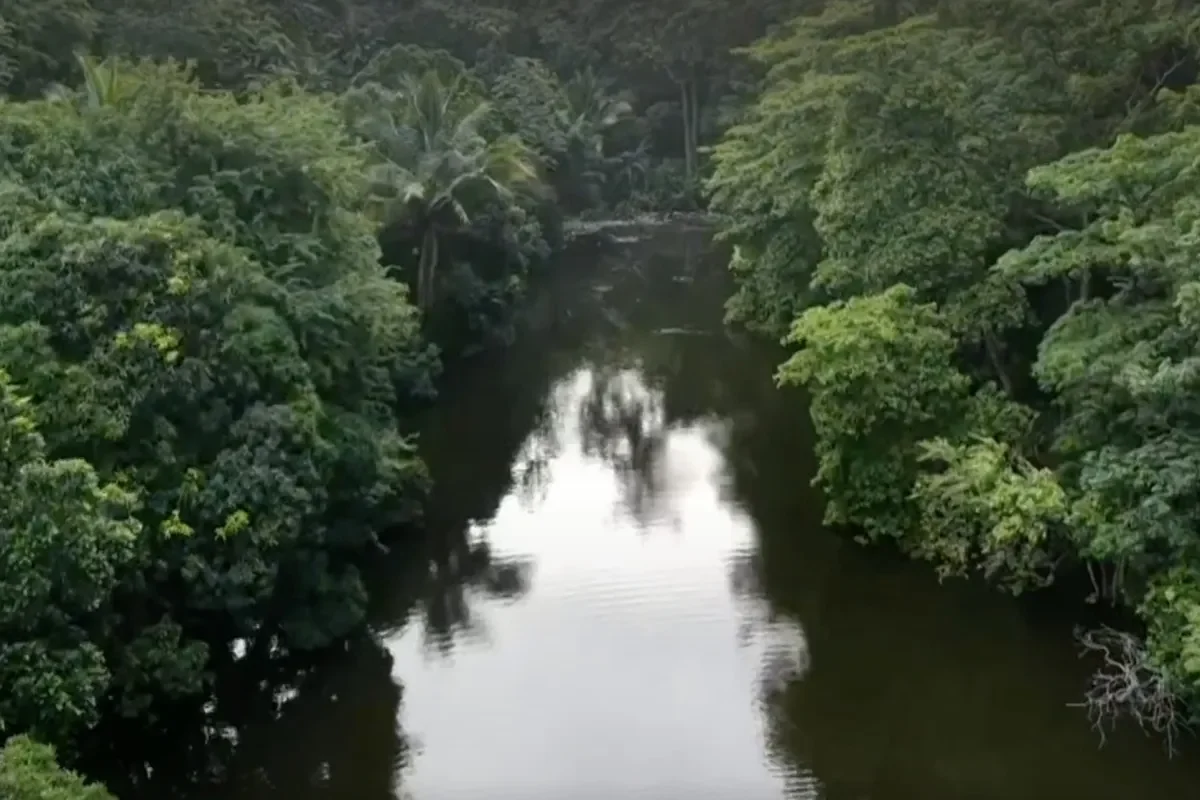
In the heart of San Miguelito, a heavily urbanized district in Panama, a body of water once known for its crystal clear surface has become a symbol of environmental neglect. But a coalition of university students, local officials, and community leaders is now fighting to change that narrative. They are working to transform the Lake of the Andes from a forgotten urban pond into a protected ecological sanctuary.
The push for restoration comes at a critical time. Rapid development in the area has placed immense pressure on local water systems. Diana Xie, director of Urban Planning for the Municipality of San Miguelito, confirmed that field studies are already underway. “Right now we are conducting bathymetry and evaluating the water quality,” she said.
‘We are analyzing physical-chemical parameters to define the future tourist use of the water mirror and make informed decisions about its surroundings’ [Translated from Spanish]
These scientific assessments, conducted in partnership with the University of Panama and other institutions, are expected to yield results before the end of the year. The data will directly inform the new San Miguelito land use plan, which aims to designate the lake as a protected space. For a district that has often seen environmental promises fall through, the message from city hall is clear. Xie emphasized that this effort is genuine.
“This is 100% real, truly, and we feel super proud,” she stated.
From Canary to Classroom
The Lake of the Andes is not a natural wonder. It is an artificial body of water, born from an old quarry. For decades, it served as a recreational spot for local families. But pollution and unchecked urban growth took a heavy toll. Today, the lake sits at a critical junction. Juan Herazo, a member of the Matías Hernández River Basin Committee, explained its unique geography.
“It is the only lake in San Miguelito and it shares two basins: the Río Abajo river and the Matías Hernández river,” he noted.
The ecosystem is fed by the Limajos stream, which originates in Cerro Oscuro.
This hydrological significance makes the lake a vital piece of the regional puzzle. Yet Herazo pointed to a systemic failure.
“What we can see here is poor Panama water resources management by many factors,” he warned.
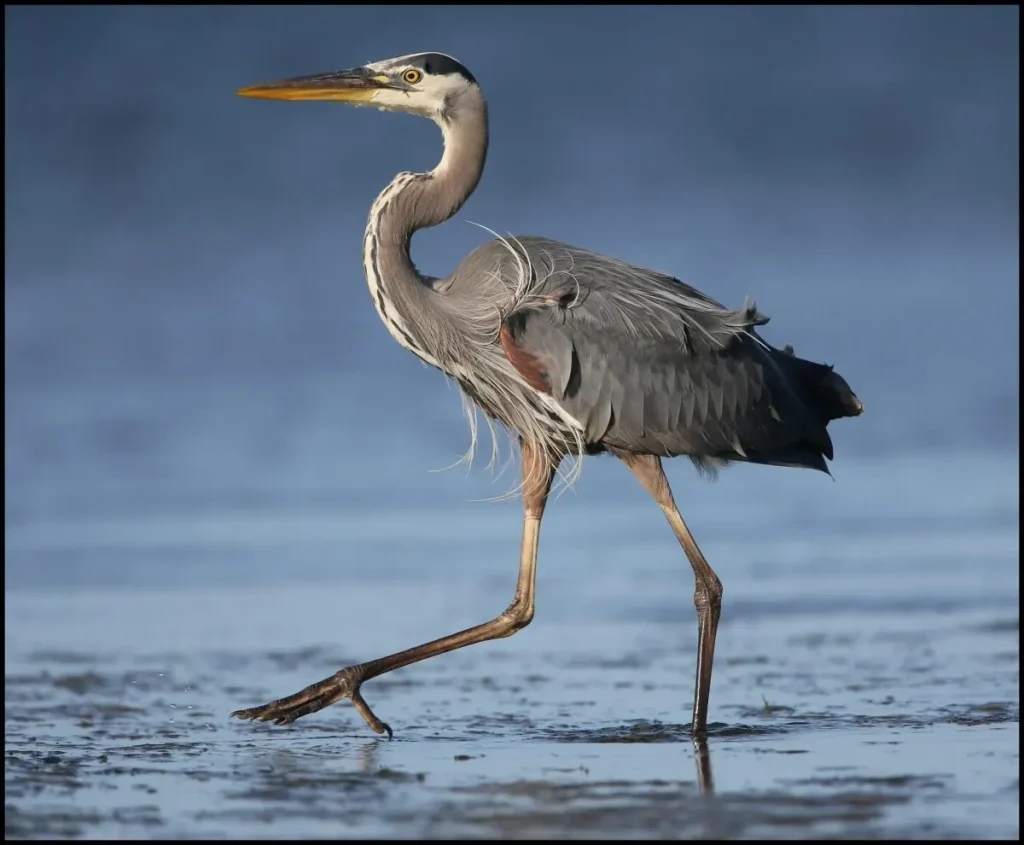
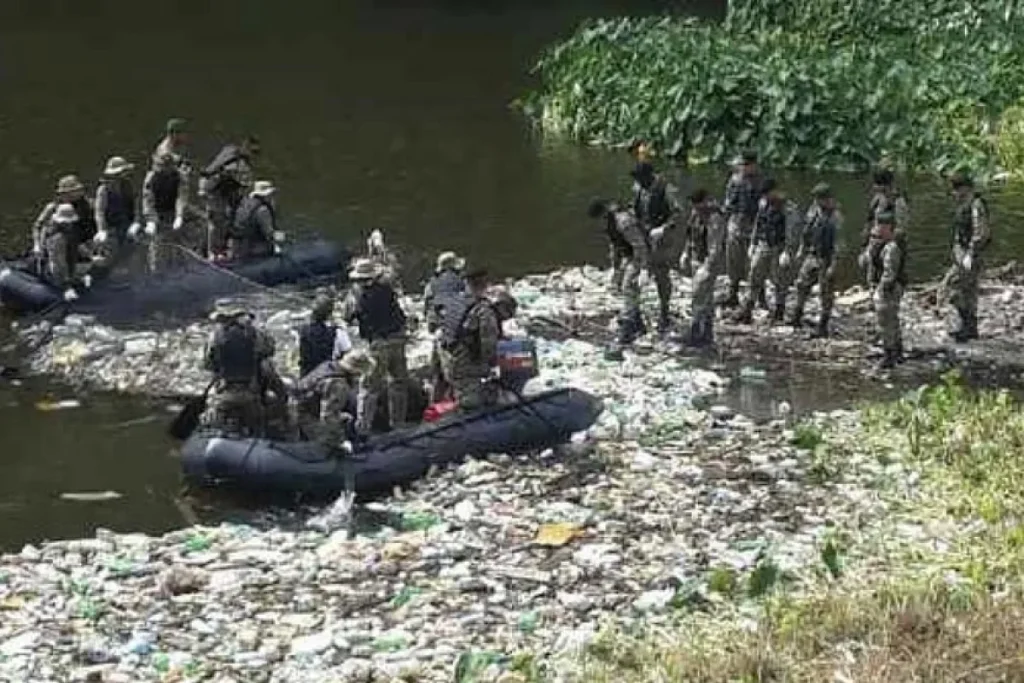
The challenges are visible. Siltation, garbage, and algae blooms have replaced the clear waters of the past. But the ecosystem is not dead. The area still hosts herons, cormorants, turtles, kingfishers, and various migratory birds that nest in the local almond trees. This biodiversity provides a foundation for recovery.
Student Power Drives the Mission
Perhaps the most active force in this revival is a group of students from the Faculty of Engineering at the University of Panama. They are not waiting for government action. Fernando Del Vasto, a student of Water Resources Engineering, described their hands-on approach.
“We are seeking to produce a technical report by studying physical-chemical parameters to know the quality of the water and to be able to give possible solutions,” Del Vasto explained.
Beyond the science, the students are lobbying the National Assembly to declare the lake an ecological sanctuary. For them, this is deeply personal. “This lake used to have crystal clear water,” Del Vasto recalled.
‘We want this lake to have a new life and to return to what it originally was’ [Translated from Spanish]
Their work combines academic rigor with a genuine emotional connection to the place. They see the lake not just as a data point, but as a piece of local heritage.
A Blueprint for Urban Conservation
The San Miguelito project offers a potential model for other urban areas in Panama struggling with similar environmental degradation. The lake’s artificial origin makes it a unique case. It was created by human hands and degraded by human activity. Now, it requires human intervention to restore it.
The municipality’s goal is not to close the lake off from the public. Instead, officials want to regulate the activities around it. Xie clarified that the lake has always had a public use vocation since the founding of the urbanization. The new plan aims to “regulate the activities and the different uses that can be developed around the lake.” This approach balances conservation with community access.
For the residents of San Miguelito, the stakes are high. The district is one of the most densely populated in the country. Green and blue spaces are rare luxuries. A restored Lake of the Andes could provide a much needed recreational area, improve local air quality, and serve as a natural stormwater buffer. The combined efforts of the municipality, the university, and the community represent a rare moment of unity in a region often divided by political interests.
Whether this momentum translates into lasting change remains to be seen. But for the first time in years, the Lake of the Andes is not just a problem to be ignored. It is a project with a plan, a team, and a deadline.