


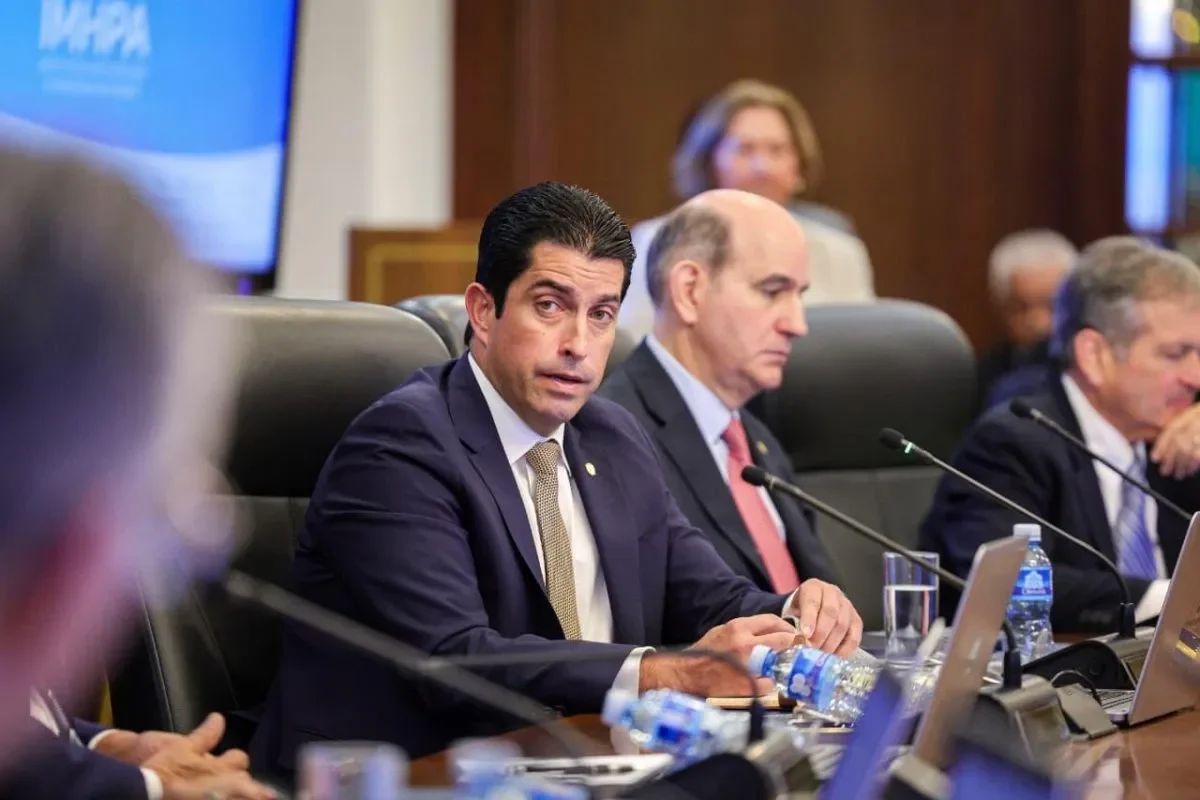
The clock is ticking for Panama. Government officials gathered on July 15, 2026 at the Ministry of Government headquarters for what they called an emergency coordination session. Their mission was simple but urgent: prepare the nation for a powerful El Niño phenomenon that scientists now say is almost certain to hit the country with devastating force.
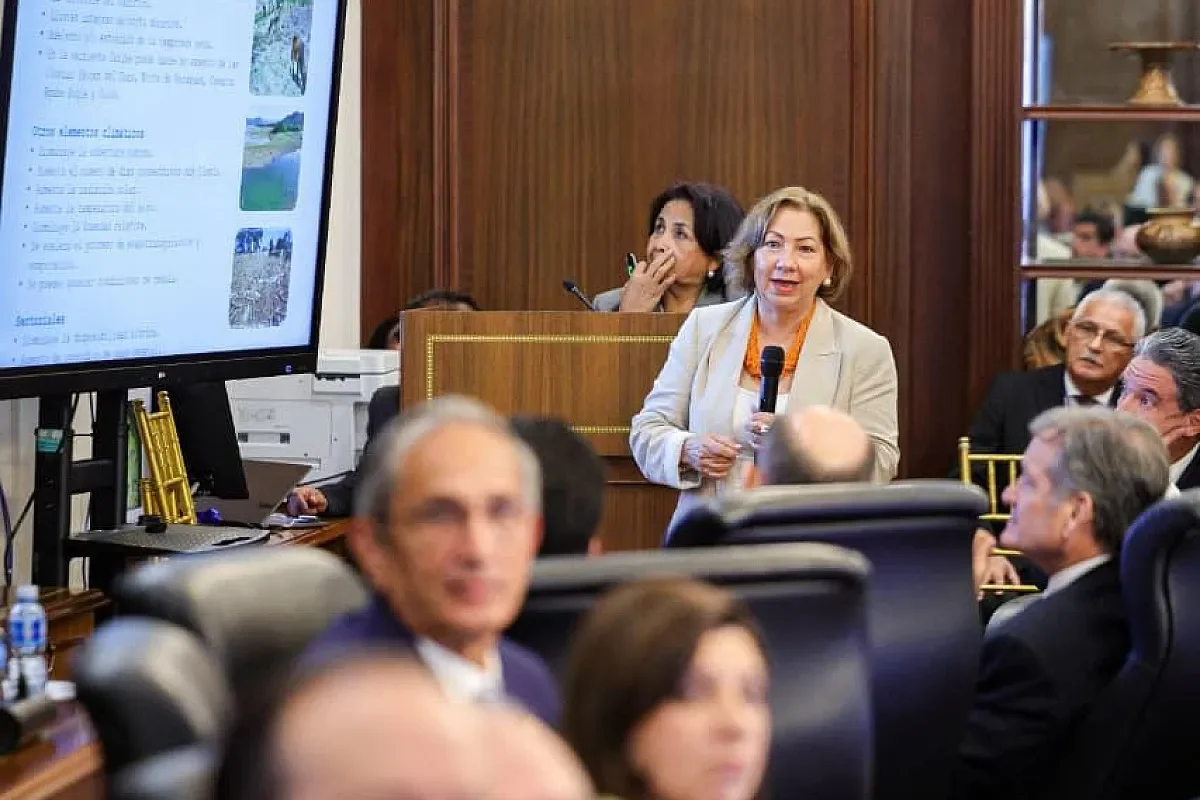
Luz Graciela de Calzadilla, director of the Panama Meteorology and Hydrology Institute, delivered the kind of news no official wants to hear. Her agency’s models show a greater than 95 percent probability that El Niño conditions will persist through the rest of 2026. Rainfall could drop by as much as 55 percent nationwide between July and December. Air temperatures may climb between 1 and 3 degrees Celsius above normal.
“This is not a distant warning. It is happening now.”
High-Level Commission Takes Charge
President Juan Carlos Orillac joined ministers from across the government to form an Interinstitutional High-Level Commission. The group includes Dinoska Montalvo from Government, Juan Carlos Navarro from Environment, and Aníbal Rincón who oversees Agricultural Development. Fernando Méndez represented Housing while officials from Health, Economy and Finance, and Canal Affairs also took seats at the table.
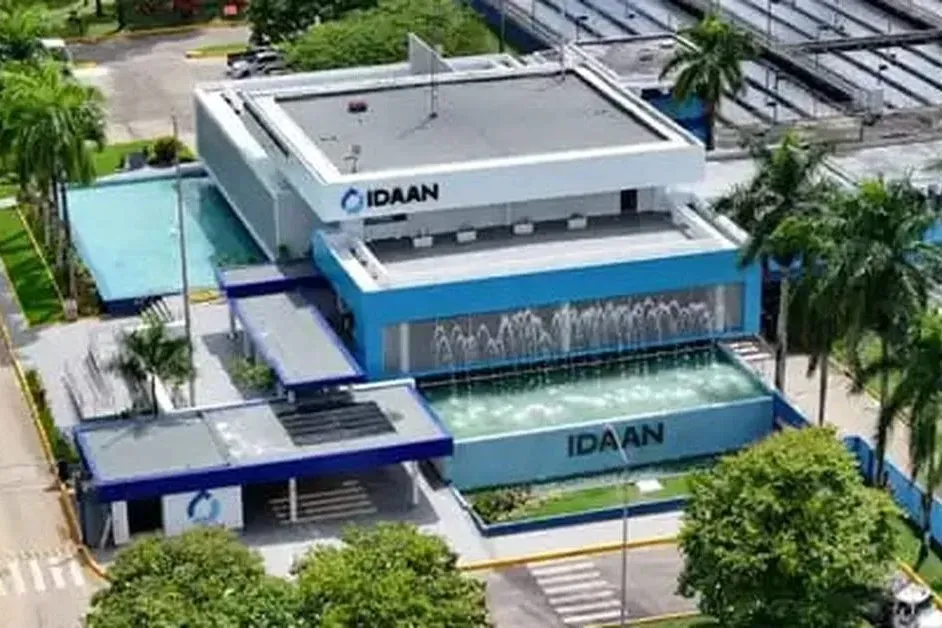
Representatives from the IDAAN water authority, SINAPROC civil protection, the fire department, and the IMA agricultural marketing institute rounded out the roster. These agencies now operate in permanent session, meaning they meet continuously rather than waiting for monthly check-ins.
Juan Carlos Orillac stressed that the commission would track the phenomenon’s evolution in real time. The group must coordinate measures to protect water supplies, agricultural production, and the environment. Every sector of the economy could feel the impact.
Historical Patterns Point to Trouble
The IMHPA report drew troubling comparisons to past years. Scientists identified 1997, 2002, and 2023 as analog years with similar climate patterns during the first half of 2026. In each of those cases, El Niño was declared during the April to June period. The phenomenon then intensified to strong or very strong levels between September and November.
Panama’s own declaration came on May 12, 2026. The United States National Oceanic and Atmospheric Administration followed with its own declaration exactly one month later on June 12. The international scientific community agrees that this event poses serious risks.
The Panama Canal drought already demonstrated how vulnerable the country can be when water becomes scarce. The canal authority has been forced to adjust vessel drafts and reduce transits during previous dry periods. Those disruptions sent ripples through global shipping markets and reminded the world just how much depends on Panama’s water resources.
Rain Deficit Threatens Pacific Watershed
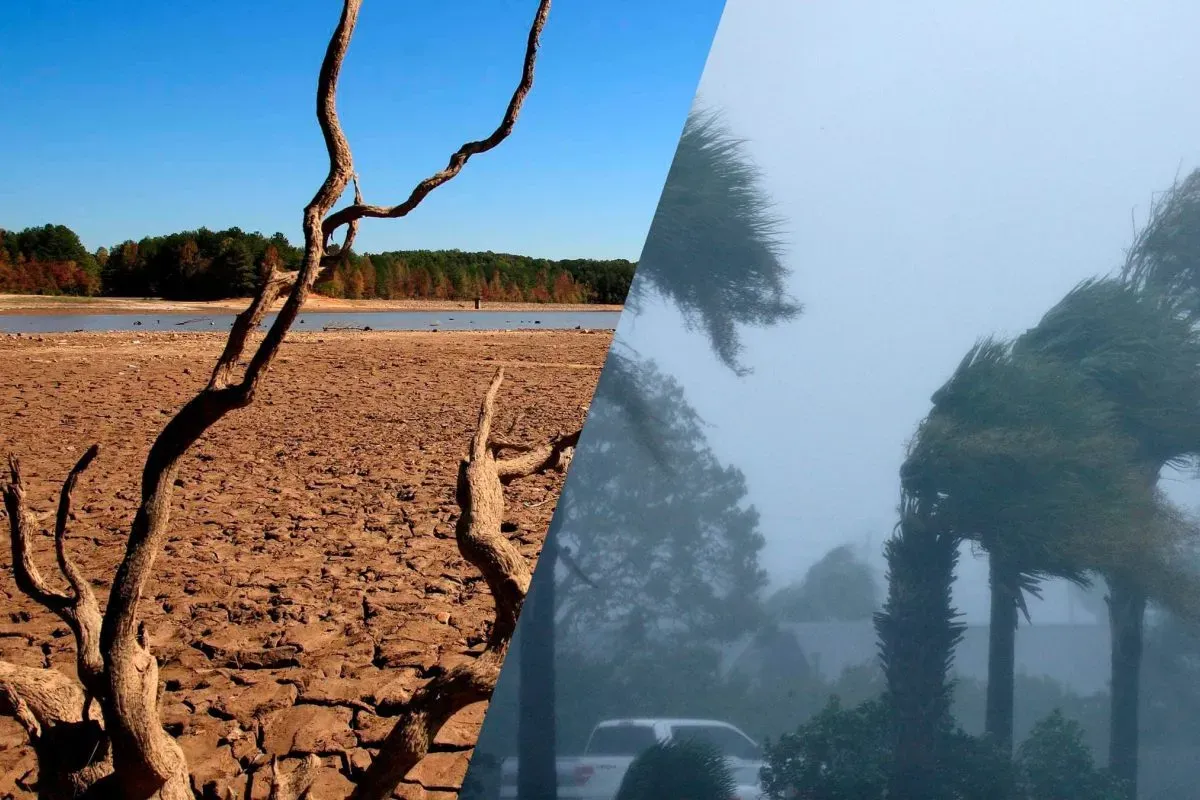
The Pacific slope of Panama faces the greatest danger. IMHPA models predict a significant decrease in rainfall across this region. The dry season may arrive early or drag on longer than normal. Either scenario creates conditions ripe for drought episodes across multiple provinces.
Farmers stand on the front lines of this crisis. The agricultural sector depends on predictable rainfall patterns for planting and harvesting cycles. A 55 percent reduction in precipitation would devastate crops and livestock operations. The commission must develop contingency plans for food security and rural livelihoods.
Water utilities face their own challenges. The IDAAN system serves millions of customers across the country. Reservoir levels could drop dangerously low if the rains fail to materialize. Officials may need to implement rationing measures similar to those seen during previous drought emergencies.
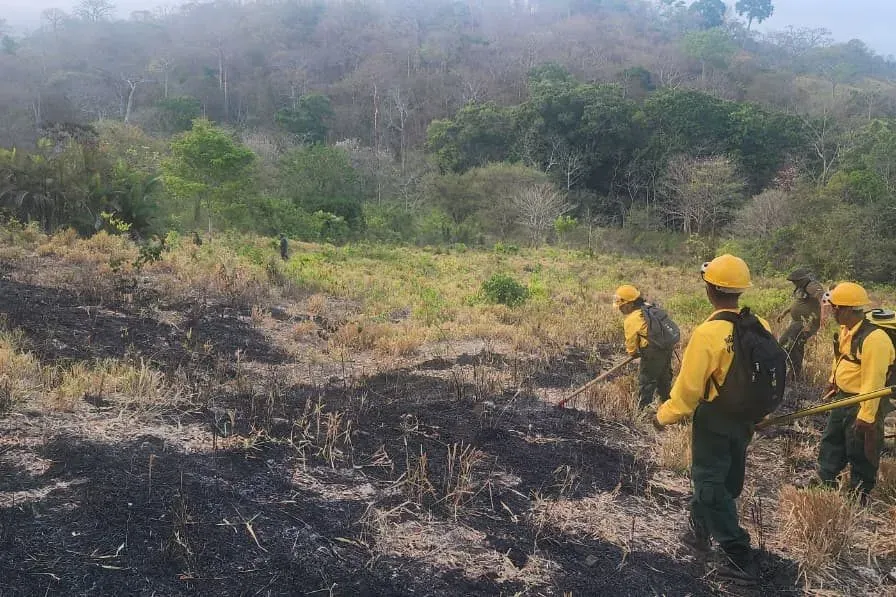
The fire department and SINAPROC worry about wildfire risks. Dry conditions combined with higher temperatures create perfect fuel for uncontrolled burns. Forest fires could threaten residential areas, agricultural lands, and protected natural areas.
Global Context Raises the Stakes
El Niño does not respect national borders. This climate pattern shifts weather systems across the entire planet. Some regions experience flooding while others face drought. Global temperatures rise. Extreme heat events become more frequent and more intense.
Panama sits at a strategic crossroads. The canal connects two oceans and facilitates roughly 6 percent of global maritime trade. Any disruption to Panama’s water supply affects the canal’s operations, which in turn affects supply chains worldwide. The country bears a heavy responsibility to manage this crisis effectively.
The commission’s work extends beyond immediate emergency response. Officials must also consider long-term adaptation strategies. Infrastructure investments, water conservation programs, and agricultural diversification all fit into the broader picture. Climate scientists warn that El Niño events may become more frequent or more intense as global temperatures continue to rise.
Panama’s government has taken the first critical step by acknowledging the threat and mobilizing resources. But acknowledgment alone will not fill reservoirs or protect crops. The coming months will test the country’s preparedness systems and its ability to coordinate across multiple agencies and sectors.
For now, the commission remains in permanent session. Officials review updated weather models daily. They communicate with local governments and community leaders. They stockpile emergency supplies and preposition response teams. Every hour counts when the rains might not come.
The people of Panama watch and wait. They remember the droughts of 1997 and 2023. They know what El Niño can do to their homes, their businesses, and their way of life. The question is whether this time, the country can stay one step ahead of the heat.