


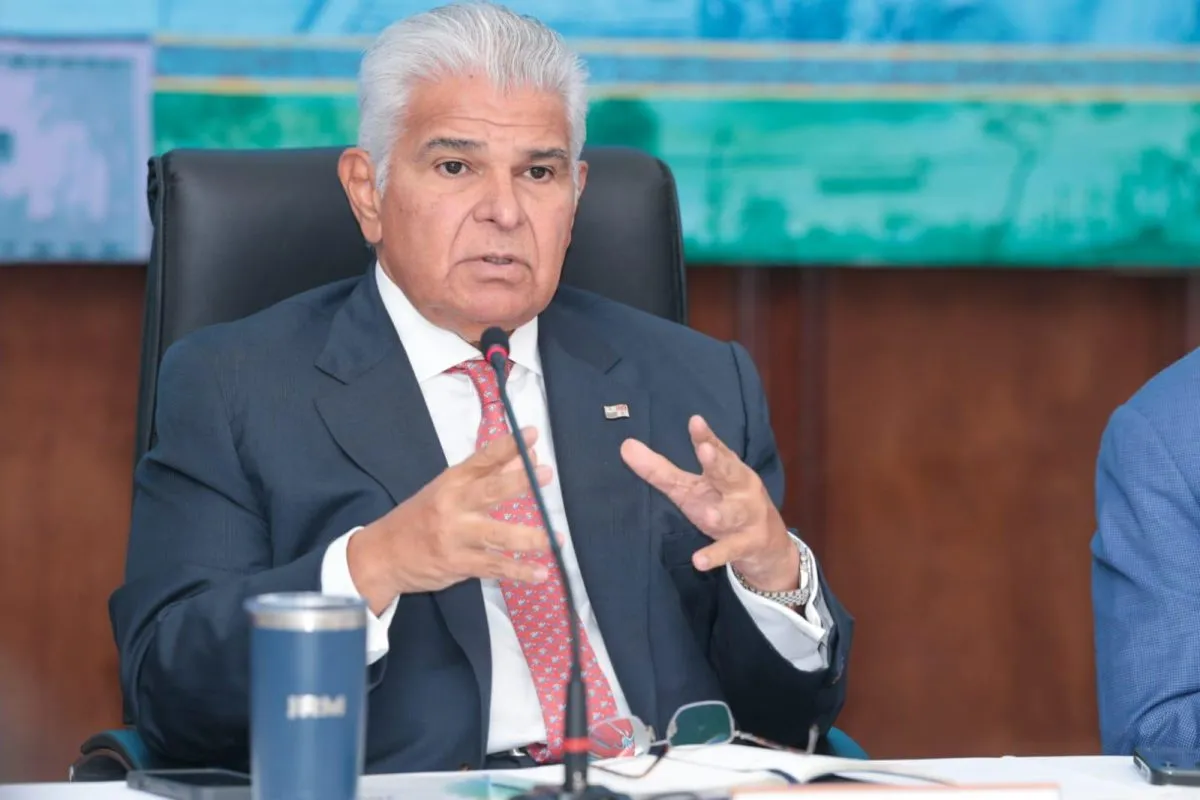
The Panamanian government is preparing to dismantle a controversial property transfer tax / housing tax that industry leaders say has strangled the affordable housing market since January. President José Raúl Mulino told business executives Thursday night that eliminating the 2 percent ITBI for new homes sits at the center of a broader legislative package designed to jumpstart a sluggish construction sector.
A Bold Pitch to the Business Elite
Speaking before the Panamanian Association of Business Executives, known locally as Apede, Mulino outlined what he called the laws of economic reactivation. The package, which the president expects to approve at a Cabinet Council meeting within two weeks, contains four or five projects he described as vital for stimulating productive activity. Once cleared by the council, the measures will head to the National Assembly under urgent status.
Mulino’s tone struck a decisive chord with the private sector audience. He promised that the government, with greater robustness and strength, would create traction so the private sector feels supported in a concrete and forceful way. That language signals a departure from direct government spending, as the president explicitly ruled out emergency plans, unconditional subsidies, or cash transfers without compensation. The strategy instead rests entirely on attracting private investment to generate formal employment and boost domestic consumption.
Dismantling a Tax the Market Never Accepted
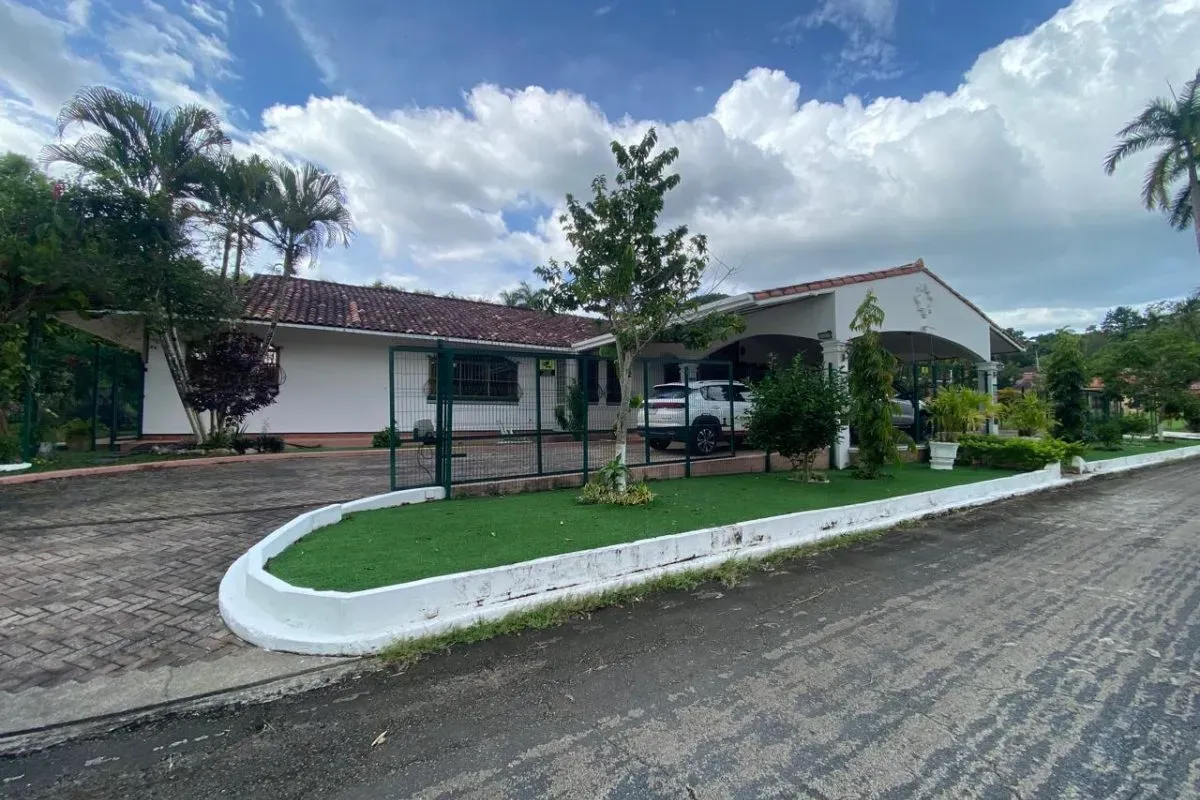
The ITBI levy on new homes carries a short but deeply unpopular history. For more than five decades, new residential properties enjoyed a complete exemption from the 2 percent transfer tax. That changed in January, when authorities began enforcing the charge, triggering immediate backlash from developers, real estate brokers, and promoters. Industry voices warned the added cost would inevitably appear in final sale prices, further complicating an already fragile recovery for low-cost housing.
Mulino confirmed his intention to scrap the tax outright during his address. But behind the scenes, officials at the Ministry of Housing and the Ministry of Economy and Finance have been analyzing a more nuanced approach, examining exemptions tied to specific price brackets rather than a blanket elimination. The final architecture of the reform remains under debate, though the political direction is clear. The president wants it gone, and he wants it gone fast.
Alongside the ITBI changes, the government plans to modify the preferential interest law to revive construction of smaller homes, particularly in the interior provinces where Mulino acknowledged the real estate market has not recovered. The idea involves adjusting incentives so that developers, promoters, and buyers all find favorable conditions for transactions. Creating a practical game of factors, as Mulino put it, would open the path to homeownership for more Panamanian families.

Labor Data and Agricultural Training Take Shape
Employment figures remain a pressing concern for the administration. The Ministry of Labor and Labor Development will soon publish an updated labor market report with fresh data on formal employment trends across the country. Mulino’s team believes transparency on job numbers will help calibrate where private investment can generate the most impact.
On a parallel track, the government announced the September 1 launch of Seagro, a program aimed at training an initial cohort of 100 technicians in agricultural activities. The initiative taps into rural development needs while creating a pipeline of skilled workers for the agro-industrial sector. Though modest in scale, the program reflects the administration’s stated philosophy of avoiding handouts in favor of capacity-building and employment-based solutions.
Port Concessions and Constitutional Reform Loom
The reactivation agenda extends beyond housing and labor. Mulino reiterated plans to tender the port terminals at Balboa and Cristóbal, awarding concessions lasting 25 to 30 years before mid-2027. The Panama Canal Authority will simultaneously push forward its own port projects at Corozal and Telfers, expanding logistics infrastructure critical to the country’s service-based economy.
Looking further out, the president confirmed his intention to advance a constituent assembly in 2027 to overhaul Panama’s institutional framework. He stressed that the proposal would not seek to dissolve existing branches of government nor open the door to presidential reelection, addressing two fears that have historically haunted constitutional reform efforts in Latin America.
Mulino characterized all the announced fiscal adjustments as targeted tweaks rather than a comprehensive tax reform. The distinction matters politically. By framing the changes as surgical modifications instead of sweeping overhauls, the administration aims to build business confidence without triggering legislative gridlock. With the Cabinet Council poised to act within a fortnight, the private sector will soon learn whether the promised relief materializes at the speed the president has promised.