


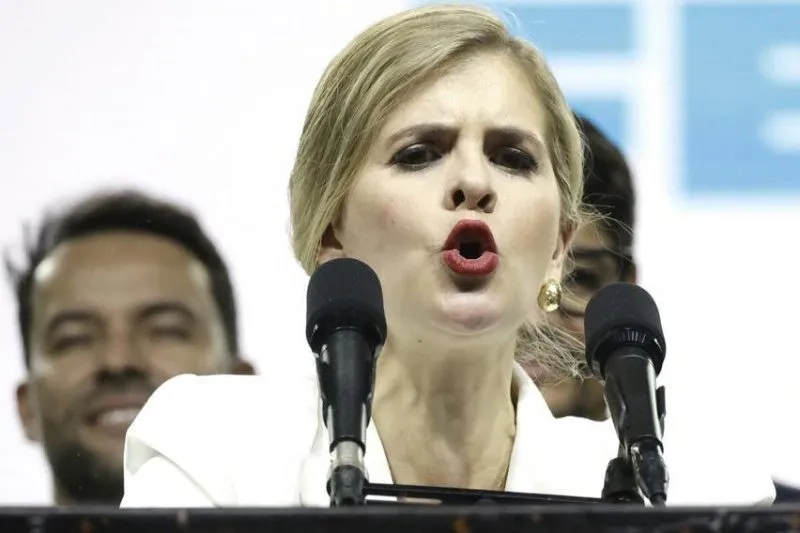
Costa Rica‘s newly elected president, Laura Fernández, has taken a hard line on the commercial dispute with Panama. She vowed to lift restrictions blocking Costa Rican agricultural goods from entering the Panamanian market. Fernández made her position clear during her inauguration ceremony for the 2026-2030 term.
The president said she will pursue direct talks with Panamanian leader José Raúl Mulino. This strategy failed to gain traction under her predecessor, Rodrigo Chaves. Fernández is now betting on personal diplomacy to break the deadlock.
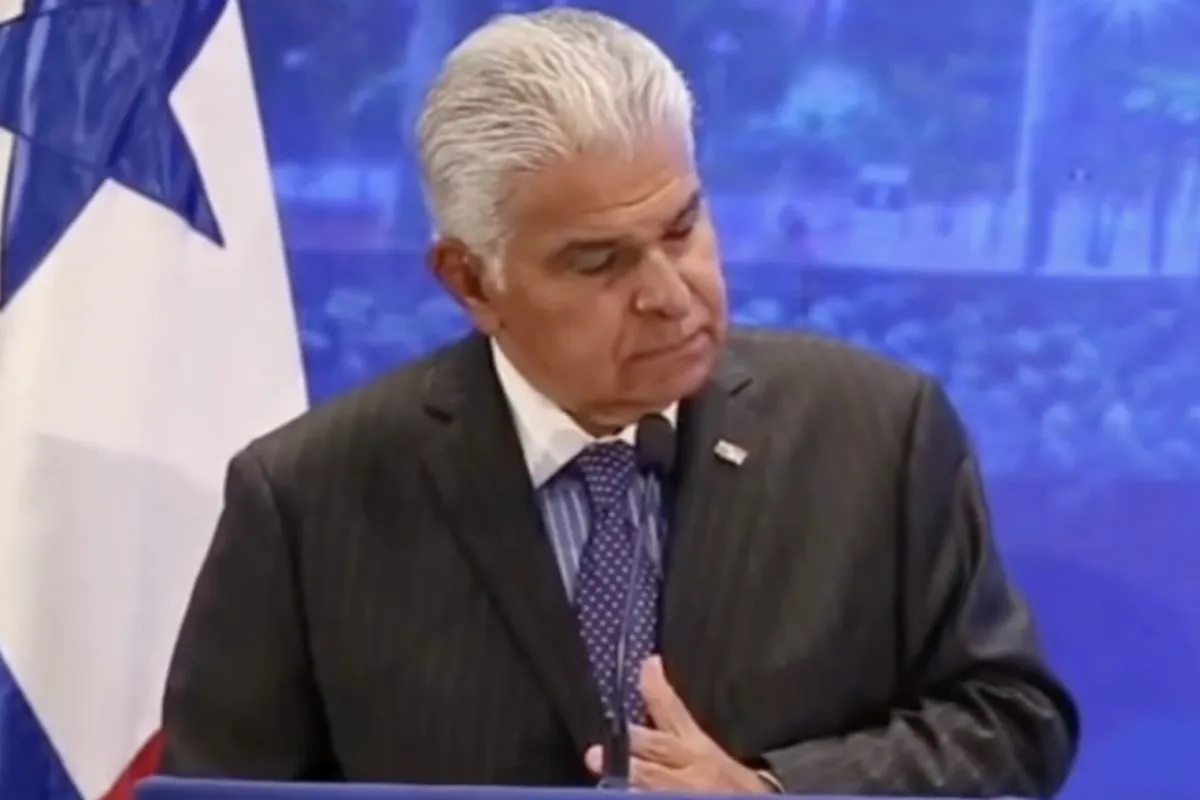
Direct quotes from Costa Rica’s president
“I am going to be very clear on this. I do not intend to allow, and I will do everything in my power, to ensure that Panama complies with what is required. I have always believed it is a country of freedom and law. Continuing a blockade that prevents receiving Costa Rican products, dairy and meat, knowing it represents a barrier to trade and affects a historic relationship of good neighborliness, is not acceptable in these times.” [Translated from Spanish]
Fernández told Telemetro Reporta she wants to resolve the dispute quickly. She plans to use “working groups and conversations” with Mulino. The two leaders share a good relationship, she added.
The commercial conflict started when Costa Rica suspended sanitary certifications for Panamanian meat, dairy and poultry plants. Affected companies included Grupo Melo, Grupo Carnes de Coclé, Grupo Mangravita, Nestlé and Prolacsa.
Panama responded by restricting Costa Rican agricultural imports. The former Panamanian president Laurentino Cortizo imposed these measures. Officials cited sanitary concerns and the need to protect national production.

WTO dispute and ongoing restrictions
Costa Rica took the case to the World Trade Organization. The country argued the restrictions violated international trade rules. A WTO arbitration panel ruled in favor of Costa Rica.
Panama appealed that decision. The case now lacks a final resolution. Twenty-six Costa Rican plants remain locked out of the Panamanian market. At least eight Panamanian plants cannot export to Costa Rica either.
Bilateral trade exceeds one billion dollars annually. Goods include food products, pharmaceuticals, medical devices and logistics services. The dispute threatens this economic relationship.
Panama defends its position through sanitary protection and commercial reciprocity. Government officials say the measures were not arbitrary. They call them phytosanitary decisions designed to protect the national agricultural system.
Julio Moltó, Panama’s Minister of Commerce and Industries, responded to Fernández’s statements on X. He said Panama exercises the same rights as any WTO member. The minister stressed that Panamanian producers deserve equal respect.
“Our producers deserve the same respect as Costa Ricans, and on that I agree. But the rules of trade must give opportunities to both sides. Our Government is watching over our productive sector, and we will continue to do so. We will not leave them alone. And as I have said before, Panama is willing to sit down and talk, always about rules that apply to both parties.” [Translated from Spanish]
The Conflict has dragged on for years. Moltó has consistently called for “clear rules on both sides.” He wants Panamanian and Costa Rican companies to compete under identical sanitary and commercial conditions.
Previous meetings between Mulino and former Costa Rican president Chaves opened dialogue. Both governments agreed to seek a solution without prolonging the international litigation. That effort stalled.
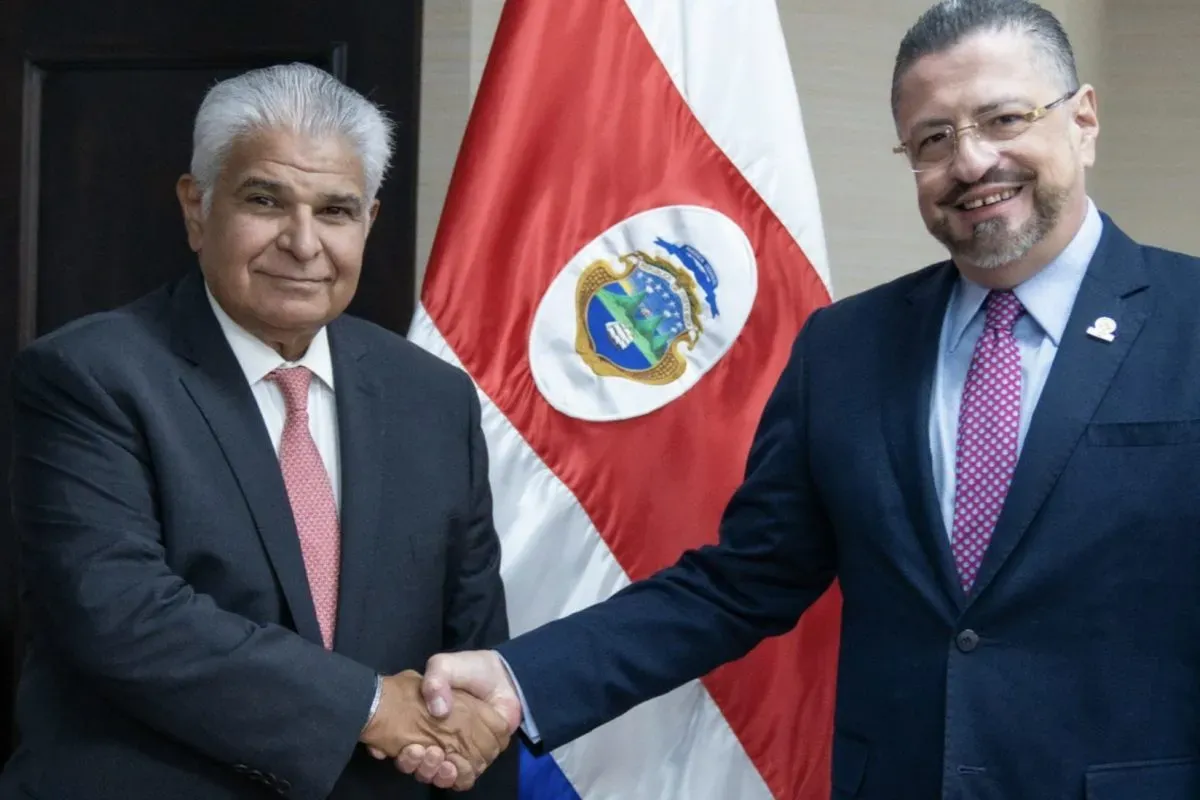
The Content of Fernández’s inaugural speech signals a new approach. She wants direct, high-level engagement. Whether Mulino will accept her terms remains unclear.
Panama shows willingness to negotiate but demands reciprocity. The coming weeks will test both leaders’ ability to find common ground. Thousands of jobs and over a billion dollars in trade hang in the balance.
Agricultural producers on both sides watch closely. The blockade affects dairy farmers, meat processors and crop exporters. A swift resolution would benefit consumers and businesses across the region.