



Panama City, Panama. Thousands of Panamanians are choosing the metrobus for their daily commutes. MiBus reported a sustained 13 percent growth in passenger movement during the first four months of 2026, solidifying the operational recovery of the public transport system in Panama City and San Miguelito.
According to the operational balance presented by the company, April 2026 saw 12,885,493 passengers moved. This figure represents an increase of 1,499,308 users compared to April 2025, when 11,386,185 passengers were recorded. The cumulative total between January and April of this year reached 48,686,694 passengers, surpassing the same period in 2025 by 5,710,838 users.
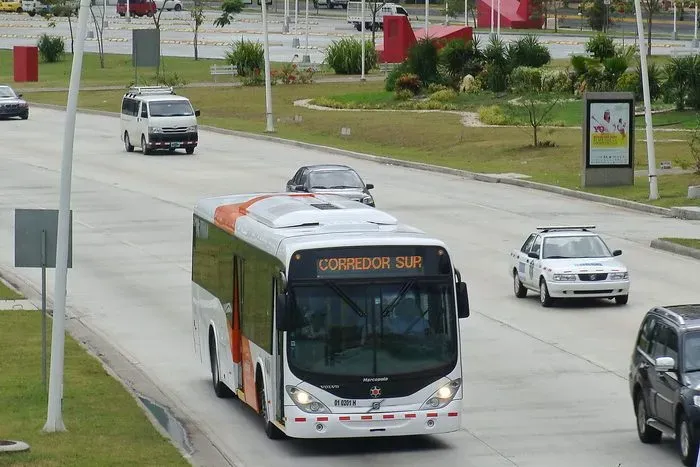
Integration with the Metro Strengthens Connectivity
Among the main operational advances for the month, MiBus highlighted the start of operations at the new Villa Zaita Metro Interchange. This infrastructure aims to improve connectivity between the bus network and the Panama Metro. The new terminal provides a faster and safer intermodal connection for thousands of users who travel daily between Panama North and other points of the capital.
According to the company, close to 10,000 daily passengers already use these facilities since their inauguration. The interchange currently operates with 10 system routes, including the T098 Ciudad de la Salud – Merca Panama and the A096 Via Panama North – ZP Metro Cerro Viento. These routes strengthen access and mobility for communities in Panama North.
“The growth in demand demonstrates that users trust our service. We are working every day to improve frequency and coverage for the people of Panama.” [Translated from Spanish]
Increased Service and Operational Efficiency
The growth in passenger demand was also accompanied by an increase in bus operations on the streets. During April 2026, MiBus executed 5,551,523 commercial trips, exceeding the 5,418,836 trips recorded in the same month last year. The company stated these results come from operational adjustments focused on expanding coverage and improving service frequency for users.
MiBus also reported implementing contingency measures during the first four months of the year. These actions address the international increase in fuel prices, aiming to guarantee service continuity and maintain the stability of public transport fares. The fuel price increase impact on public transport has been significant globally.
Between January and April 2026, the average cost of fuel used in operations increased by nearly 98 percent. This caused the monthly expense to rise from B/.2.0 million in January to B/.3.8 million in April. Despite this scenario, the company optimized resources through a reduction in gallon consumption and kilometers traveled, maintaining active operations for the benefit of users.
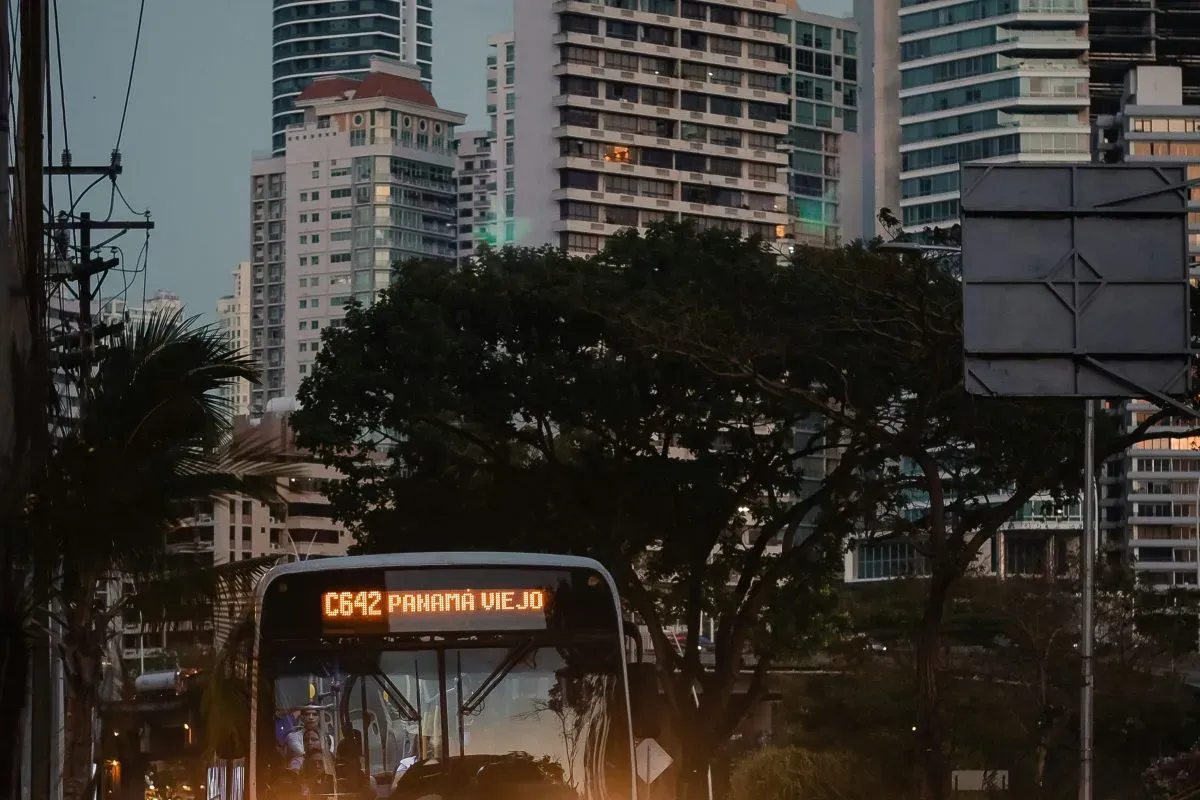
Next Steps for Public Transport
MiBus reiterated its commitment to continue strengthening public transport. The company promises a safe, efficient, and quality service for the Panamanian population. Operational data shows the Metrobus Panama MiBus system is recovering strongly after previous challenges.
Authorities expect ridership numbers to keep climbing throughout 2026. Integration projects between bus routes and the metro system remain a top priority. The Villa Zaita interchange serves as a model for future intermodal connections across the capital region. Officials believe these improvements will attract even more drivers to leave their cars at home.