


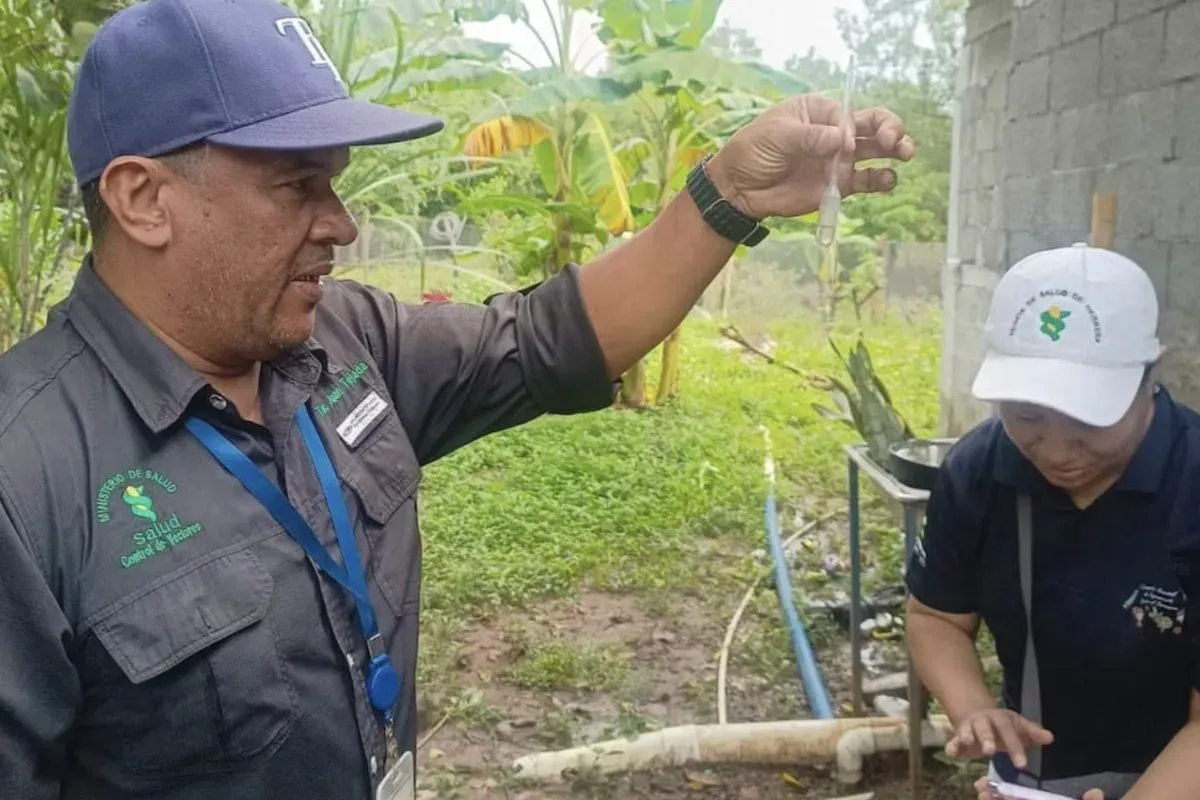
Ten families across Panama are grieving this month. The Panama Ministry of Health has confirmed that dengue fever has claimed 10 lives so far in 2026, with the latest epidemiological bulletin showing the virus continues to spread unevenly across the country. While overall hospitalizations have dropped, health officials remain concerned about specific age groups and regions.
The numbers tell a complex story. Through June 20, Panama has recorded 3,345 Dengue cases Panama 2026, according to the Ministry of Health’s weekly report. Of those infected, 2,919 people have mild cases with no warning signs. Another 406 patients are showing severe symptoms, and 20 have been classified as having severe dengue, the most dangerous form of the disease.
Hospital admissions have actually improved compared to last year. So far in 2026, 425 people have required hospitalization, a 24 percent drop from the 550 admissions recorded during the same period in 2025. That decline suggests prevention efforts and earlier medical attention may be making a difference. But the death toll tells a different story.
The fatalities have been concentrated in specific areas. Bocas del Toro and Los Santos provinces each lost three residents to the virus. Coclé, Colón, Panamá Norte, and Veraguas each reported one death. These cases highlight how dengue does not strike uniformly across the country.
Where Dengue Hits Hardest
The Metropolitan Region leads all areas with 824 confirmed infections. Colón follows closely with 661 cases, while Panamá Oeste has 329 and Bocas del Toro reports 320. At the local level, certain neighborhoods have become hotspots. Tocumen leads with 184 cases, followed by Veracruz with 176, Puerto Pilón with 158, and 24 de Diciembre with 106 infections.
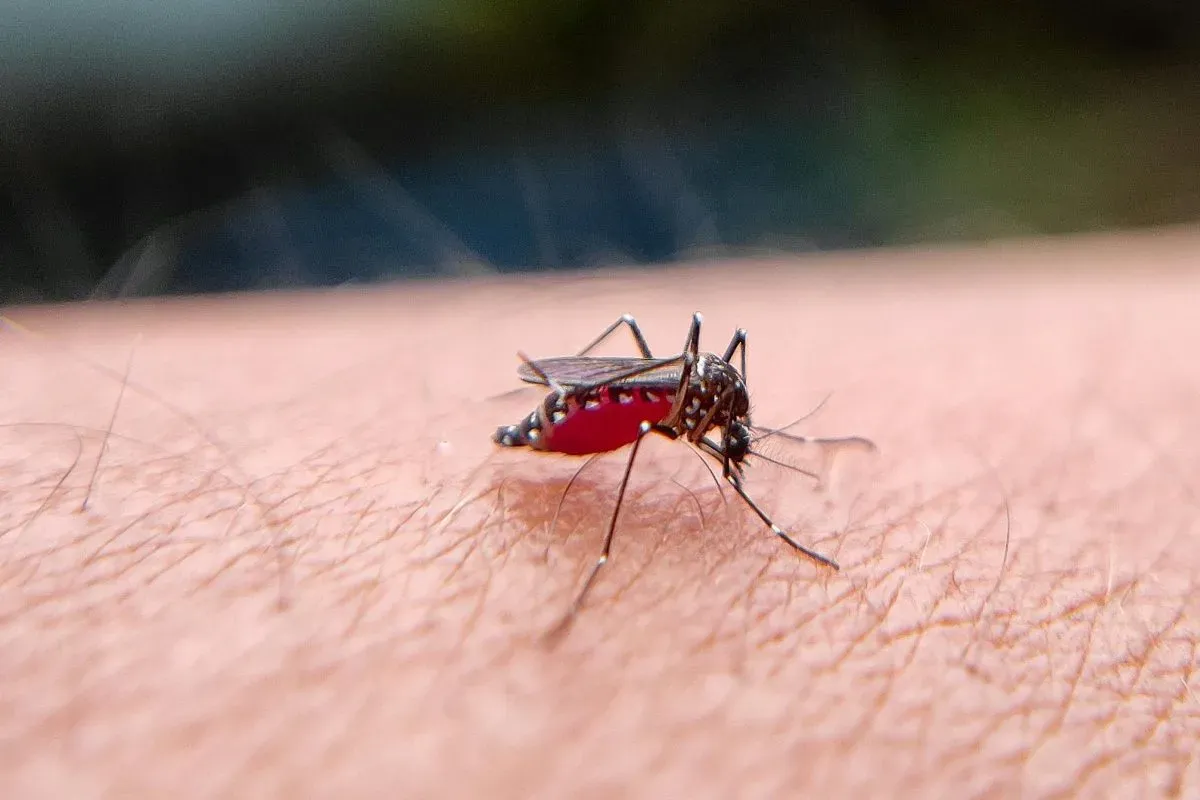
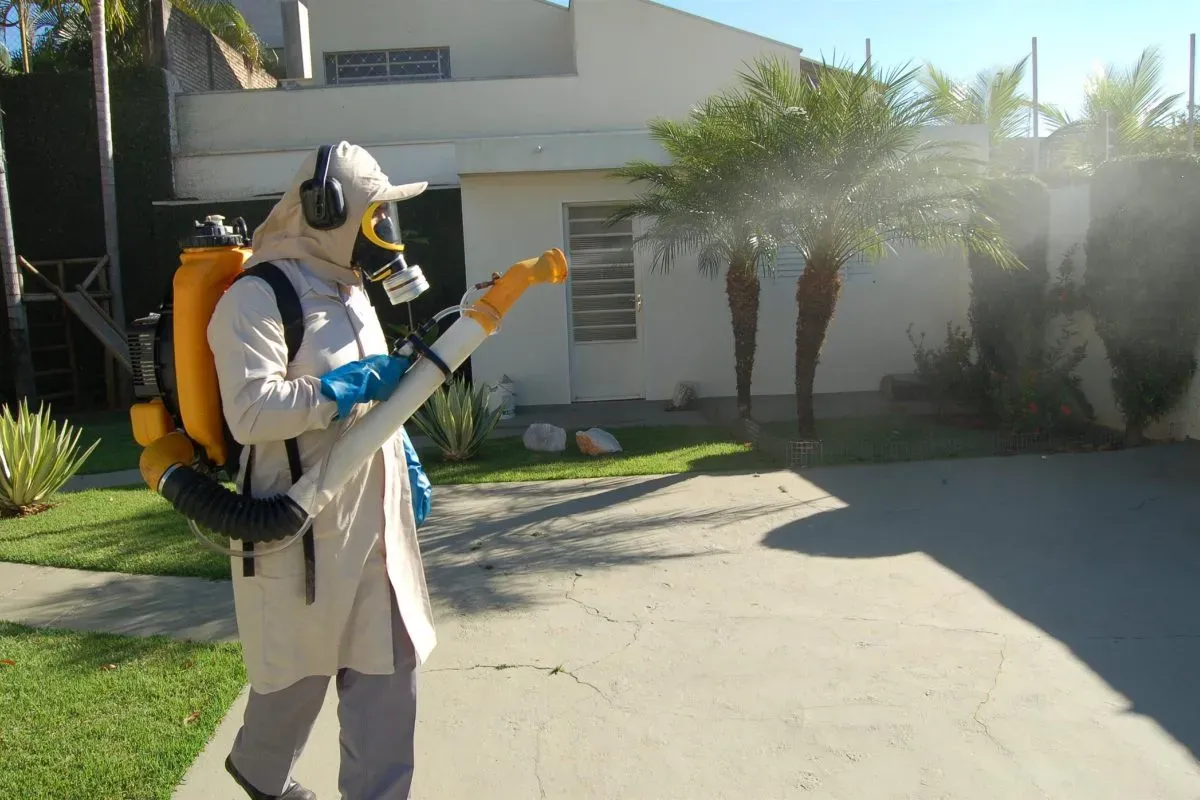
These communities have become priority targets for health brigades. Teams are conducting fumigation campaigns and going door to door to educate residents about eliminating standing water, the primary breeding ground for the Aedes aegypti mosquito that transmits the virus.
The national incidence rate currently sits at 70.9 cases per 100,000 people. But that average hides a troubling trend among young Panamanians. Children and adolescents between 10 and 14 years old show an infection rate of 106.6 per 100,000, making them the most vulnerable age group in the country.
Why Teenagers Face Greater Danger
Health experts point to several factors that may explain why teenagers are getting sick at higher rates. Young people in this age group spend significant time outdoors, often in schoolyards and parks where mosquitoes breed. They also tend to be less vigilant about using repellent or wearing protective clothing. Their immune systems, while generally strong, can sometimes overreact to the virus, leading to more severe symptoms.
The Ministry of Health has intensified its awareness campaigns in schools and communities. Officials are urging parents to check their homes for any containers that could collect rainwater, from flower pots to old tires to uncovered water tanks. Even small amounts of standing water can support mosquito larvae.
Recognizing the Warning Signs
Dengue symptoms often begin with a sudden high fever, severe headache, pain behind the eyes, fatigue, and muscle or joint pain. The Ministry warns that anyone experiencing these symptoms should avoid self-medication, particularly with aspirin or ibuprofen, which can increase bleeding risk. Instead, patients should go immediately to the nearest health facility for proper evaluation.
Warning signs of severe dengue include persistent vomiting, severe abdominal pain, bleeding gums, rapid breathing, and extreme fatigue. These symptoms require urgent medical attention. Early treatment significantly reduces the risk of complications and death.

For more information on Panama’s ongoing health efforts, you can read about how Minsa Health has managed other disease prevention programs. The country’s experience with vaccination campaigns and public health infrastructure provides context for how authorities are now tackling the dengue outbreak.
The Ministry continues to emphasize that prevention remains the most effective weapon against dengue. Simple actions like covering water containers, cleaning gutters, and using mosquito nets can dramatically reduce transmission. Health brigades are also targeting the highest-risk neighborhoods with fumigation trucks, though officials acknowledge that community participation is essential for long-term control.
As the rainy season continues, providing ideal conditions for mosquito breeding, health authorities expect cases to keep rising. The question is whether the improved hospitalization numbers will hold and whether the death toll can be contained. For now, the message from health officials is clear: vigilance saves lives, and every Panamanian has a role to play in stopping the spread.