


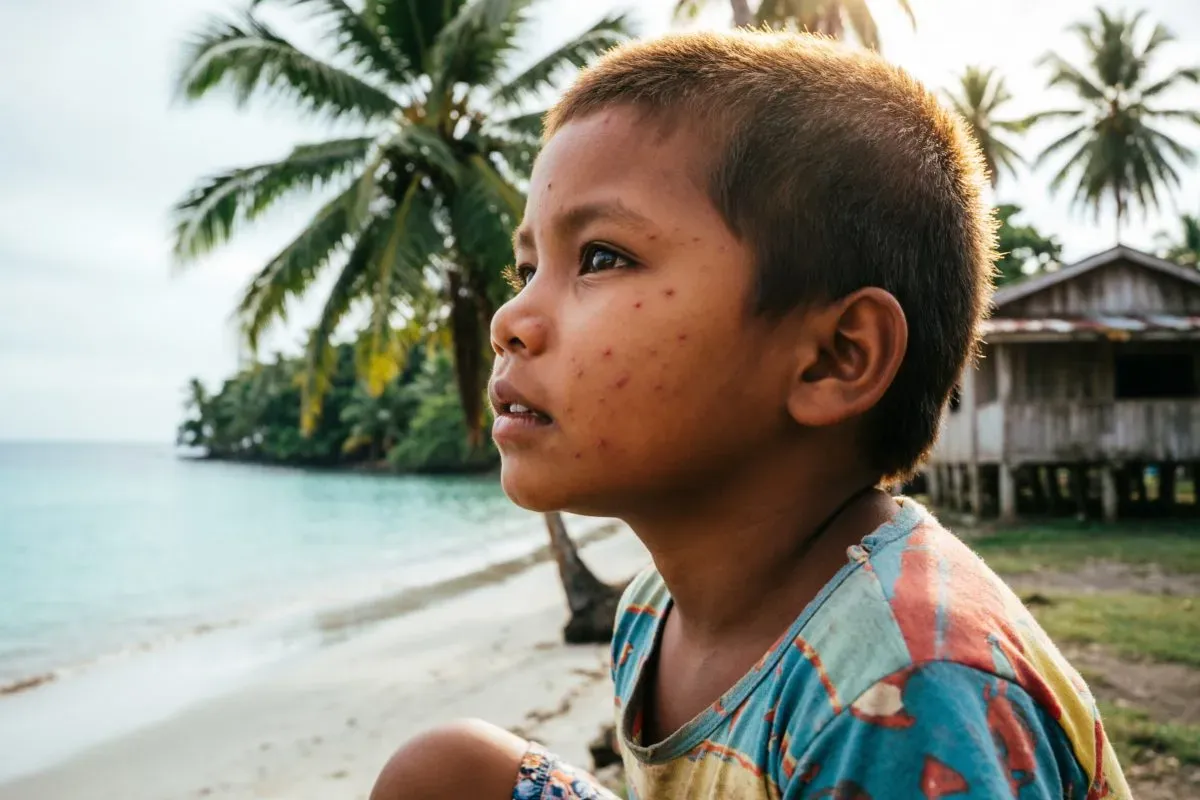
Panama City, Panama – Health authorities have administered more than 150,000 measles vaccine doses across the country. The Ministry of Health (Minsa) announced the milestone on Wednesday. This campaign strengthens epidemiological surveillance against preventable diseases.
The initiative operates through the Expanded Immunization Program (PAI). It aims to protect the population and keep Panama free from local measles transmission. The country currently maintains health alerts due to imported cases.
Officials confirmed at least three imported measles cases and one case from direct contact. Health teams continue monitoring five other suspected cases. The government has not reported any local transmission of the virus.
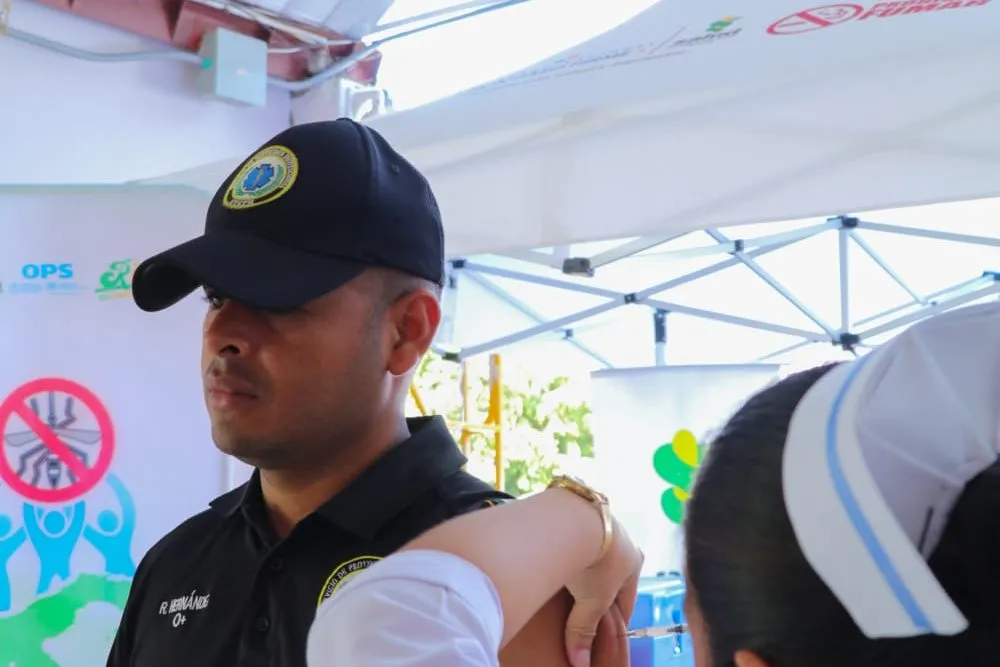
Vaccination Coverage Increases Across All Regions
Yelkys Gill, the Director General of Public Health, highlighted the progress. She credited the population’s commitment to prevention. She also praised the strengthened immunization drives in every health region.
“The increase in vaccination coverage through the Expanded Immunization Program (PAI) reflects the population’s commitment to prevention and the strengthening of immunization campaigns developed by Minsa in all health regions,” Gill said. [Translated from Spanish]
Gill emphasized that Panama remains free of endemic measles. All detected cases this year were imported. The national epidemiological surveillance system identified and managed these cases promptly.
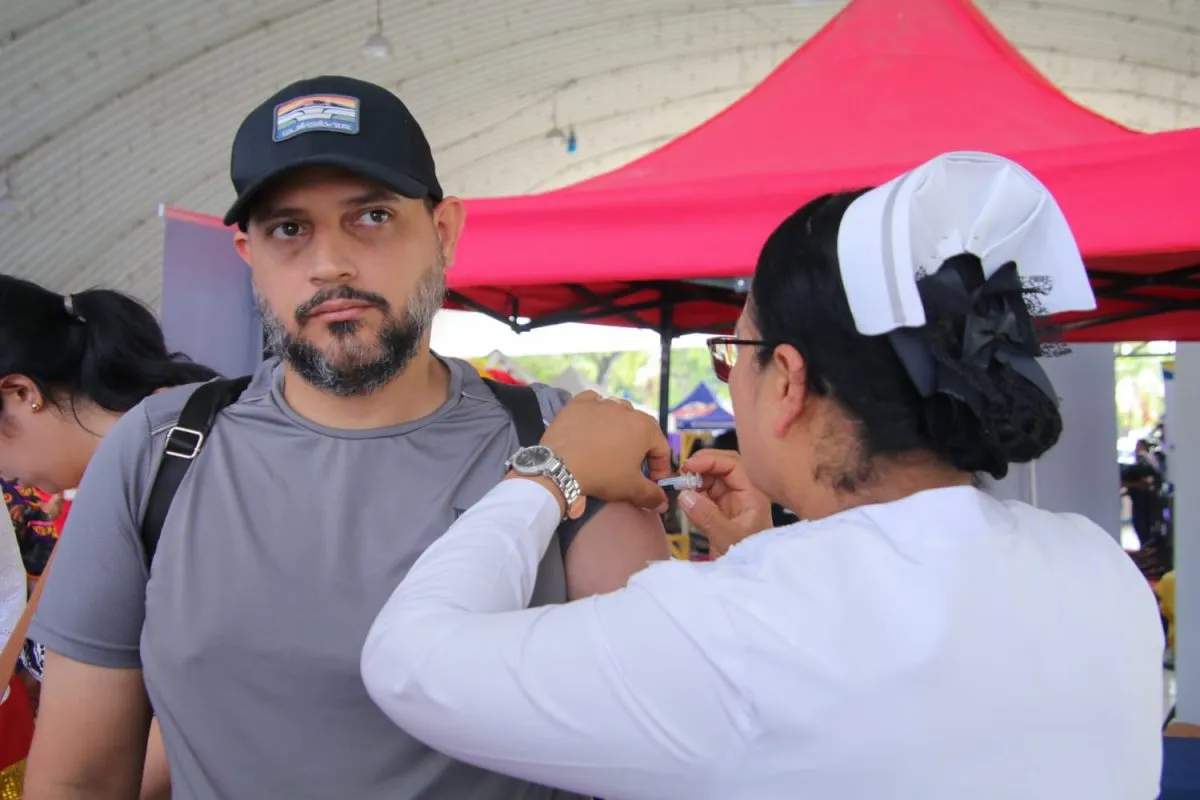
“We invite the entire population to review their vaccination card and go to the nearest health facility to complete their schedule. Vaccines are safe, free, and constitute the main tool to prevent communicable diseases,” the official urged. [Translated from Spanish]
The national vaccination schedule includes more than just measles shots. It also covers influenza, pneumococcus, and respiratory syncytial virus. These vaccines reduce hospitalizations among vulnerable groups. Children, immunocompromised individuals, pregnant women, and the elderly benefit most.
Surveillance Intensifies at Points of Entry
The Ministry maintains active Measles epidemiological surveillance Panama at all ports of entry. This allows early detection of travelers showing symptoms compatible with communicable diseases. The measure responds to the return of travelers from abroad.
Demand for vaccines has increased ahead of international travel. Some travelers are heading to the World Cup and other global events. Health officials guarantee sufficient vaccine supply to meet this demand.
Measles remains a highly contagious viral disease. It can cause severe complications, especially in young children. The World Health Organization reports that vaccination prevented an estimated 56 million deaths between 2000 and 2021.
Vector-Borne Diseases Also Show Decline
Gill also reported progress against vector-borne diseases. The country continues strengthening prevention and control actions against malaria. Teams conduct epidemiological surveillance, active case searching, and timely diagnosis.
“In malaria we have managed to maintain a downward trend thanks to the effort of regional health teams, who continue to carry out interventions, case follow-up, and prevention actions in the highest risk areas,” Gill stated. [Translated from Spanish]
Data from epidemiological week 22 shows encouraging results. Dengue cases have dropped nearly 50 percent compared to the same period last year. Malaria also maintains a downward trend across affected regions.
The Ministry reiterated its call for preventive measures. Residents should seek medical attention when symptoms appear. Keeping vaccination schedules updated protects individual and community health.
Health authorities continue monitoring all suspected cases. They urge the public to maintain preventive habits. The fight against preventable diseases requires sustained community participation.