



Commercial establishments in one of Panama’s most historic provinces are facing steep penalties after authorities uncovered widespread violations of labor migration regulations. The National Migration Service delivered 48 separate fine notices during an intensive enforcement operation, signaling a major escalation in how the country handles workplace compliance.
The enforcement push targeted businesses across Los Santos Province, a region known for its folk traditions and growing commercial activity. Officials from the Executive Court of the Migration Service personally served the resolutions, each carrying financial penalties for breaking the country’s labor migration laws. These weren’t random checks. The fines stemmed from months of field verification work by migration officers who had already documented the infractions.

Legal Consequences for Non-Compliance
The 48 cases represent a fraction of what authorities say is a broader problem. Companies in sectors ranging from hospitality to retail have been hiring foreign workers without proper documentation, according to migration officials. Some businesses failed to register their employees with the system. Others employed foreign nationals on tourist visas, a clear violation of Panamanian law.
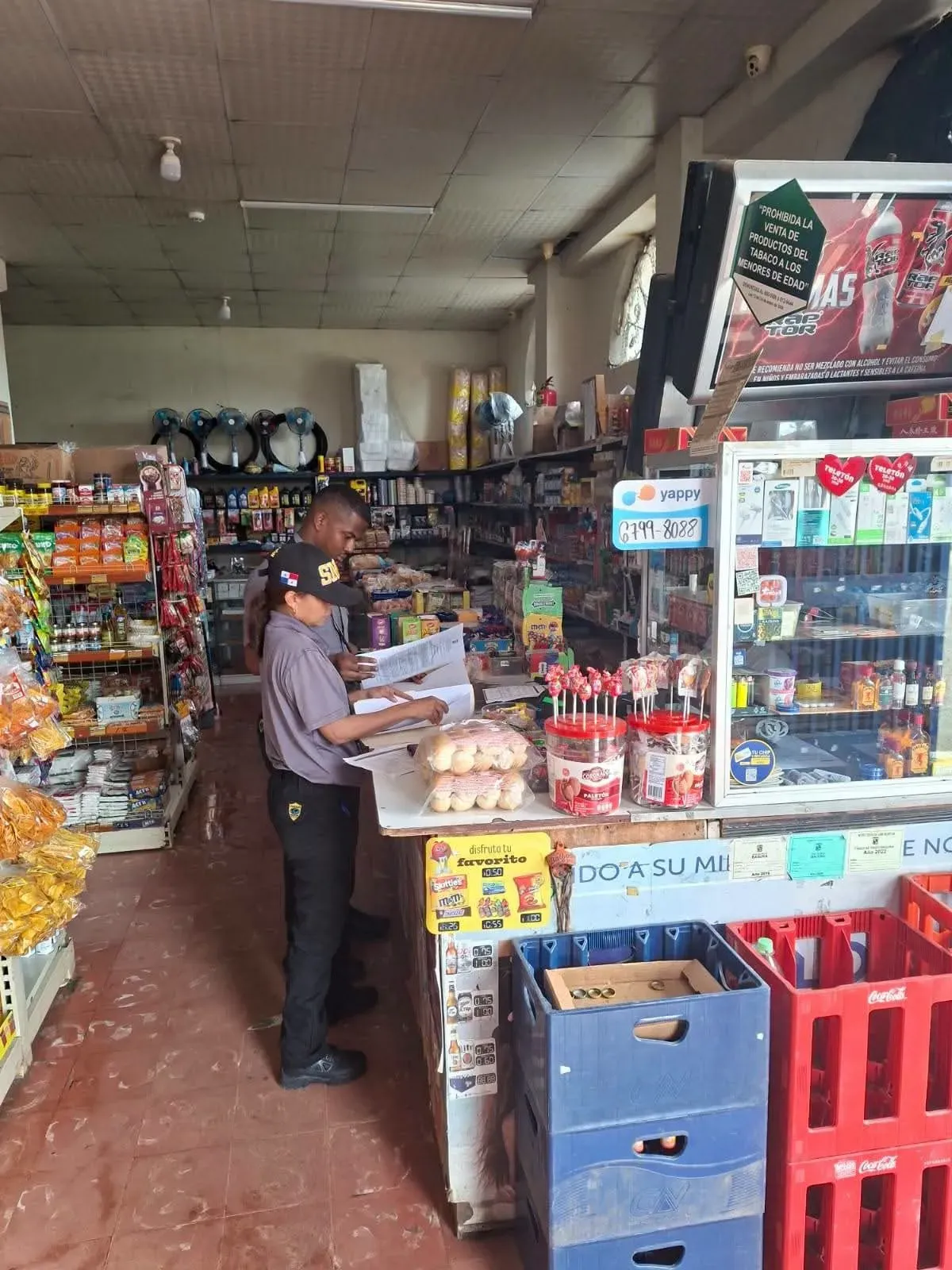
Each fine notice carries the force of a judicial order. Business owners who ignore them face additional legal action, including potential asset seizures. The Migration Service’s Executive Court has the authority to enforce these penalties through bank garnishments or property liens if companies refuse to pay.
‘This operation strengthens legal security and guarantees procedural continuity for all verification actions previously carried out by field units in the region’ [Translated from Spanish]
The crackdown sends a clear message to employers throughout Panama. Migration authorities are moving beyond simple inspections. They’re now pursuing the full weight of the law against repeat offenders and systematic violators.
Protecting Worker Rights
Behind the legal jargon lies a human story. Foreign workers without proper documentation often face exploitation. They might receive below-minimum wages, work excessive hours, or endure unsafe conditions. By targeting employers who flout the rules, Panama’s Migration Service aims to protect vulnerable workers while leveling the playing field for compliant businesses.
The agency has promised to maintain its aggressive posture. Officials described the Los Santos operation as part of an ongoing strategy that combines “control, verification and procedural compliance.” The three-pronged approach means more surprise inspections, faster legal processing, and stiffer penalties for those caught breaking the rules.
Panama’s economy relies heavily on foreign labor, particularly in construction, agriculture, and tourism. The country’s proximity to Colombia and its status as a regional banking hub attract workers from across Latin America and beyond. But this influx creates tension between business demands for flexible hiring and the government’s obligation to enforce immigration laws.
What Business Owners Should Know
For entrepreneurs operating in Panama, the Los Santos fines offer a stark warning. The Migration Service now maintains a dedicated Executive Court that processes these cases rapidly. Companies can expect faster adjudication and less tolerance for excuses. Ignorance of the law won’t help either. Authorities have launched public awareness campaigns explaining the requirements for hiring foreign staff.
The agency operates under three guiding principles: Service, Excellence and Control. This latest operation falls squarely under the third pillar. Migration officials have made clear they will continue deploying similar enforcement teams to other provinces in the coming months.
Businesses that want to avoid the same fate should conduct internal audits of their workforce. Verify that every foreign employee holds the correct visa type and work permit. Ensure all registrations are current with the National Migration Service. The cost of compliance is minimal compared to the fines and legal headaches that come with getting caught.
Panama’s message to employers is simple. Follow the rules or face the consequences. The days of lax enforcement are over. Migration authorities have the tools, the legal authority, and the political will to make every business in the country comply with labor migration laws.