


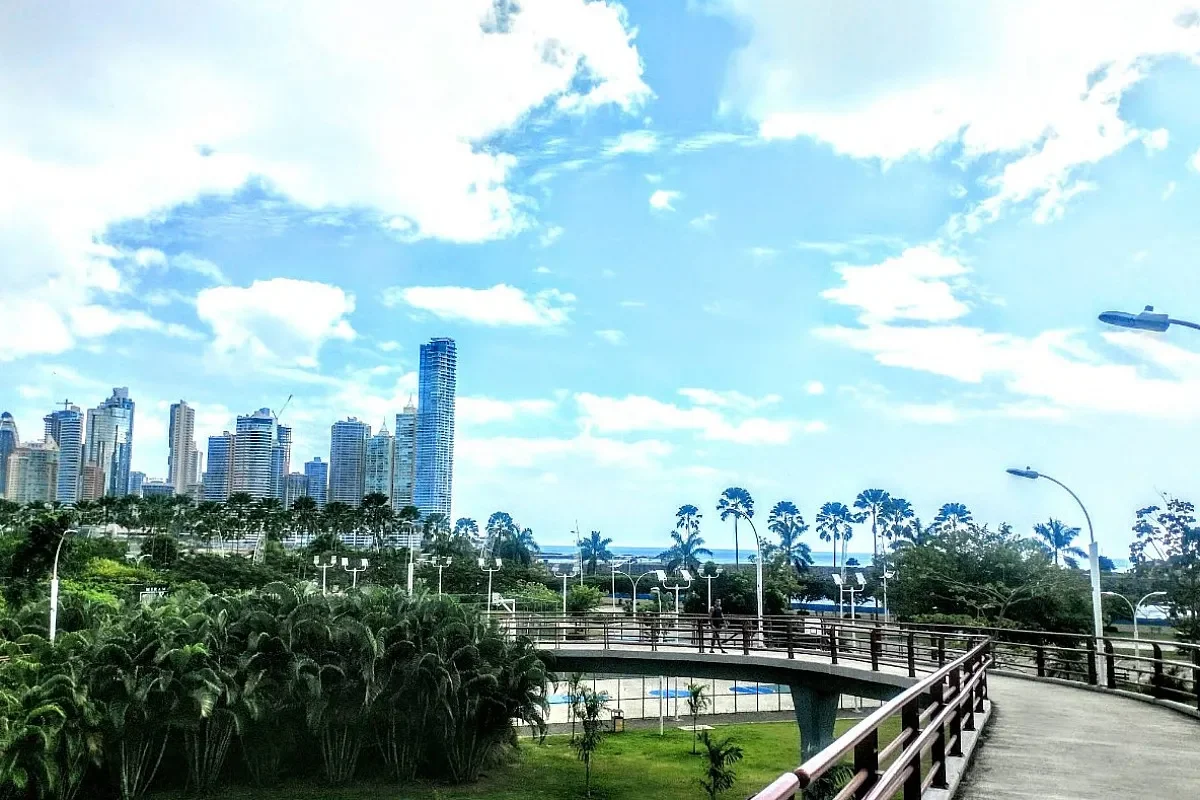
Every morning, joggers pound the paths, families sprawl on the grass, and tourists snap photos of the bay views. Urracá Park, a green gem tucked along the bustling Cinta Costera, never lacks visitors. Now the city wants three ambitious food vendors to capture those hungry crowds. The Panama City Mayor’s Office just flung open the doors to a rare opportunity, a public call for operators to fill the last three gastronomic spaces inside one of the capital’s most frequented parks.
Unlike sprawling food truck rallies or saturated marketplaces, this deal keeps things exclusive. The park draws hundreds of people daily, from dawn fitness nuts to sunset picnickers, yet only a trio of permanent storefronts will ever serve them. City officials said the initiative targets owners of restaurants, cafés, and quality food concepts ready to plant roots in a spot where foot traffic never dips. For local entrepreneurs, the math is seductive: heavy demand, tiny supply, and a government-backed lease in public land.
A Prize Location with Zero Guesswork
Figuring out whether a dining venture will flounder or fly usually demands painful guesswork. Not here. Parque Urracá’s rhythms are already a proven business case. Parents chase toddlers around the playground mid-morning, office workers grab a bench during lunch, and couples stroll under tropical hardwoods as the sun drops behind the Pacific. The park’s adjacency to the Cinta Costera, a waterfront beltway that funnels pedestrians and cyclists daily, adds another thick layer of appetite. City data, as covered by Ap, shows similar public-space revitalizations across Latin America have boosted nearby small businesses by double digits within a year of launch, and Panama’s own park upgrades are following the same playbook.
The municipality isn’t just handing out keys to anyone. The call asks for proven gastronomic operators who can raise the park’s culinary profile. Think coffee roasters slinging single-origin espresso, bakeries with sourdough and sea salt, or casual cevicherías that don’t skimp on presentation. “We are looking for concepts that elevate the park experience and give visitors a reason to stay longer,” a city spokesperson said.
“This is not about fried snacks and sodas. We want the public space to feel like a destination for good food.” [Translated from Spanish]
How to Throw Your Hat in the Ring
Snagging one of the three spots doesn’t require a labyrinth of paperwork, but speed matters. Interested restaurateurs can pitch their concepts by emailing oficina.comercial@pty.gob.pa or by completing a digital form tucked inside the stories section of the Panama City Mayor’s Office Instagram account. The municipality has kept the application window intentionally broad, hoping to attract everything from established restaurant groups looking for a second location to first-time entrepreneurs with a sharp, scalable idea. There is no mention of a stiff upfront concession fee, which often scares off smaller operators in public tenders, though final terms will be hammered out with the winners.
What separates this call from a typical mall lease lottery is the built-in captive audience. Parks don’t have opening hours like shopping centers, and Parque Urracá’s rhythms stretch from 5 a.m. bootcamps to midnight stargazers. Any concept that can serve that spectrum, with a morning coffee window and an evening small-plates menu, could clean up. The city hinted that they’ll favour proposals that demonstrate a grasp of that daylong pulse, plus a clear plan for waste management and noise control, since the park is a community sanctuary first and a commercial space second.
Miles de familias, parejas, deportistas y visitantes se reúnen todos los días en el Parque Urracá. ¿Te imaginas tu negocio ahí? ✨
— Alcaldía de Panamá (@Panamaalcaldia) July 24, 2026
Sé parte de la transformación de uno de los espacios públicos más vibrantes de la ciudad de Panamá. 🌳
📲 ¡Postúlate ya en… pic.twitter.com/qtxFdebSWo
A Broader Urban Appetite
The Urracá push doesn’t exist in a vacuum. The same municipality is already advancing a major renovation of the Parque Lineal in the Juan Díaz district, a corridor project that will string together playgrounds, exercise stations, and shaded seating for thousands of residents. Together, both interventions paint a picture of a city hall that sees public parks as economic engines, not just green afterthoughts. Injecting food and beverage into those spaces, officials believe, makes them safer, livelier, and less prone to neglect.
That philosophy mirrors what cities like Medellín and Mexico City have pulled off for years, turning grim plazas into outdoor living rooms anchored by local cafés. Panama’s spin banks heavily on the country’s entrenched coffee culture and a younger generation of chefs who’d rather test their menus in an alfresco park than a sterile food court. Some of the city’s best-known pop-ups got their start in unconventional spots, and a permanent perch inside Parque Urracá could give a similar spark to someone waiting for a break.
Navigating the application leaves little room for dawdling. Candidates need to explain their concept, prove they can sustain daily operations, and show why their food deserves a slot in a place that already hosts kid birthday parties, yoga classes, and spontaneous salsa nights. The city’s commercial office will then evaluate pitches and, if the buzz around town is any gauge, plenty of eyes are already locked on the prize. Three kitchens, one park, and a city that’s betting harder on its public spaces than it has in a decade.