


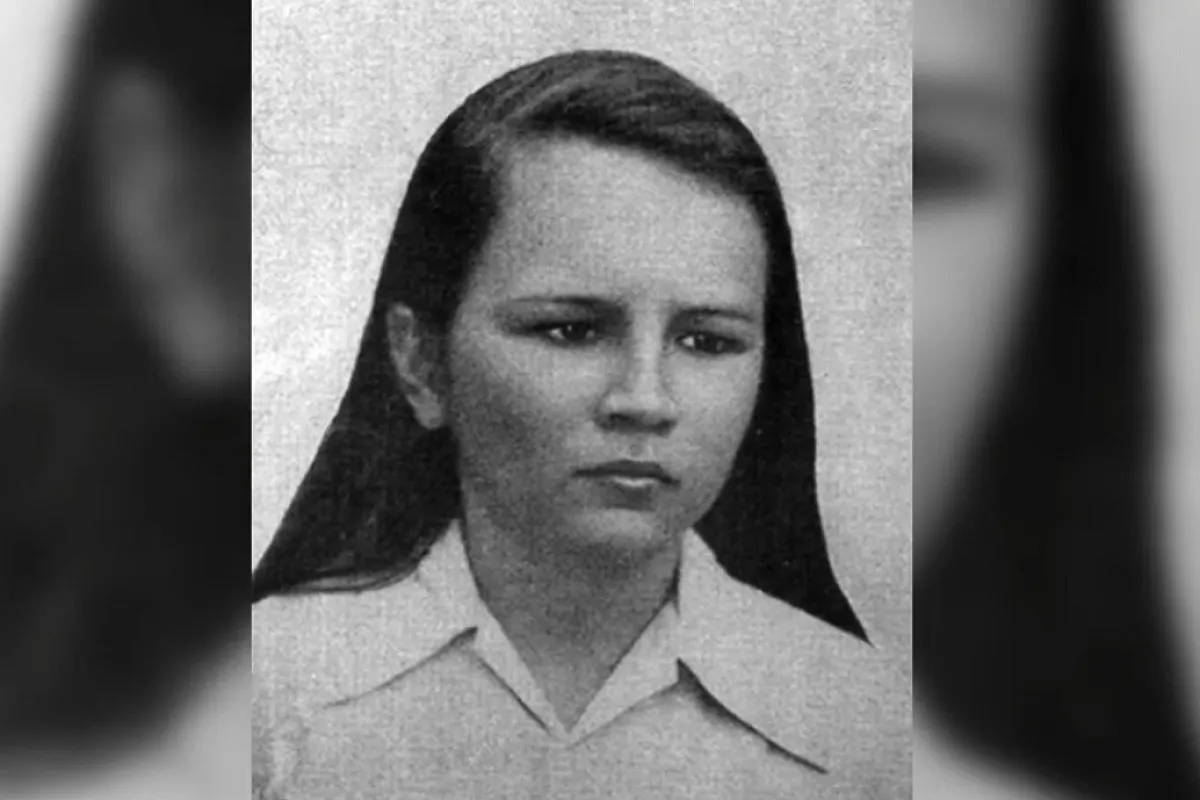
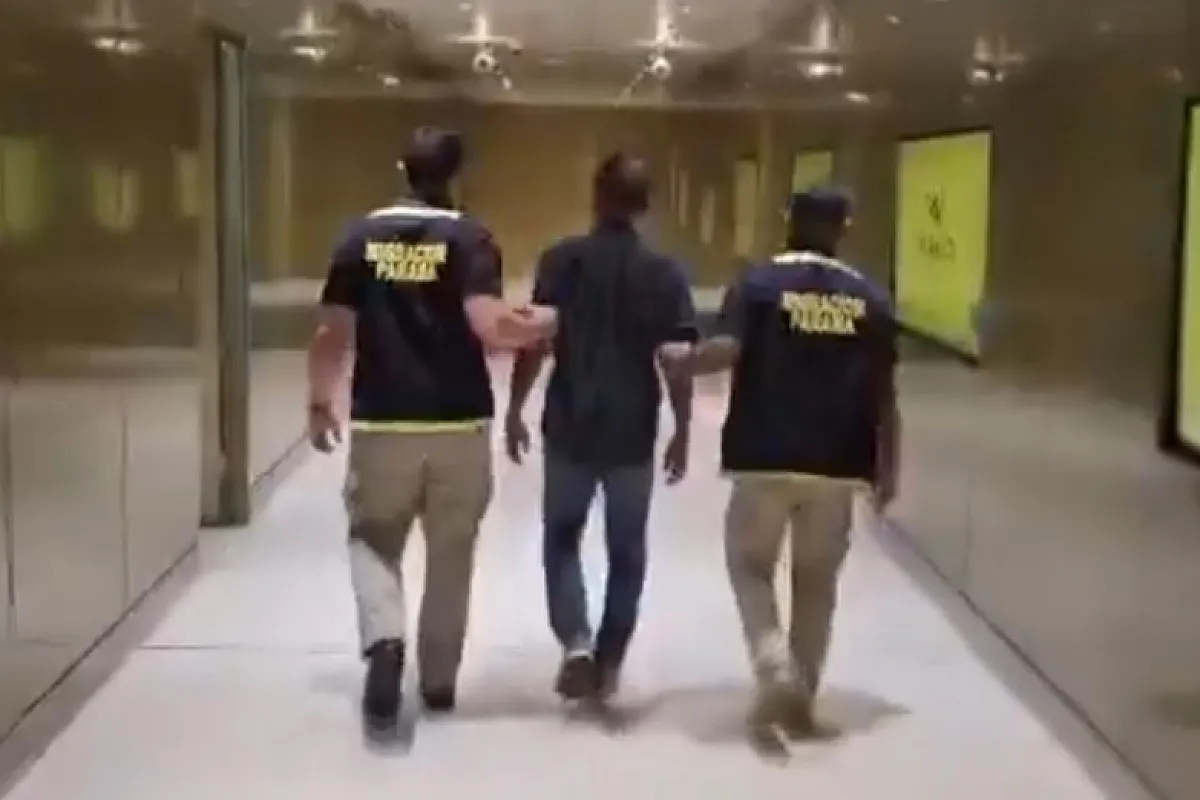
Nearly half a century after a teenage activist vanished from a busy Panama City street, her family’s wait for answers took a dramatic turn this week. Emilio Garzola Ruíz, long wanted in connection with the forced disappearance of Rita Irene Wald Jaramillo, arrived in Panama as a deportee from Nicaragua, detained under an international arrest request. The 1977 case, reopened just weeks ago, now moves into a new phase as prosecutors aim to deliver accountability for one of the darkest chapters of Panama’s military era.
Wald was only 17 when she was last seen on March 27, 1977 in the Obarrio neighborhood. A student at the José Remón Cantera school, she had become a prominent voice against the dictatorship, organizing protests that condemned the Torrijos–Carter treaties and the repressive regime. Her disappearance came to symbolize the brutality of a period when forced vanishings were used to silence dissent. Authorities never brought anyone to trial, and the case eventually cooled, though Wald’s relatives never stopped demanding a full investigation.
The breakthrough arrived through a fresh push by Panama’s judiciary. On July 30, 2025, Nicaraguan authorities located Garzola Ruíz in Managua and expelled him to Panama, executing a Red Notice that Interpol’s Panama office had circulated only twenty-three days earlier, on July 7. Immigration and police officials turned Garzola over to the courts upon his arrival, officially registering him as a deportee and closing a long, cross-border chase.
A Student’s Disappearance That Defined an Era
Rita Wald’s story is inseparable from the turmoil of 1970s Panama. As a student leader, she mobilized peers against what she saw as a surrender of sovereignty in the canal treaties, and her activism put her squarely on the radar of military intelligence. On that Sunday afternoon in Obarrio, witnesses offered no clear account of what happened, and for decades the state offered little more than silence. Family members repeatedly petitioned the courts, armed with testimonies and documents, yet the case languished in a system that seemed unwilling to confront its own past.
The former government of President Juan Carlos Varela broke that silence in 2017. His administration issued a public apology to Wald’s family, recognizing the state’s responsibility for the forced disappearance. That gesture, officials said at the time, was part of Panama’s compliance with obligations under the Un human rights framework, which calls for truth and reparations for victims of grave abuses. The apology didn’t bring prosecutions, but it did keep the memory of Wald alive and signaled a political willingness to revisit old wounds.
International Dragnet and a Red Notice
Garzola Ruíz is not the only suspect. He and a man named Luis Gómez stand accused of crimes against life and personal integrity to the detriment of Wald. The Superior Court of Liquidation of Criminal Cases of the First Judicial District reopened the investigation after the Superior Prosecutor’s Office for Discharge of the Metropolitan Area formally requested it. Once the Red Notice hit Interpol’s global network, Garzola’s whereabouts became a matter of hours. His swift deportation underlines how modern law enforcement cooperation can resurrect cases that once seemed frozen in time.
The Ap reported that the tribunal’s decision to revive the process came amid a broader reassessment of forced disappearances from the military period. Legal experts note that the Garzola extradition could set a precedent for other dormant files, proving that time and geography no longer shield suspects when judicial will aligns with international police tools.
Justice Delayed but Not Denied
Panamanian prosecutors are now preparing the criminal case against Garzola under a legal system that has undergone significant reforms since 1977. Although the passage of decades presents challenges, including the availability of witnesses and physical evidence, human rights lawyers believe the case can advance on the strength of archival records, survivor testimony, and the political context already documented by truth commissions. Garzola’s defense team has not yet commented publicly, and it remains unclear whether he will apply for bail or cooperate with investigators.
The reactivation of the Wald file coincides with another high-profile reopening, that of Colombian priest Jesús Héctor Gallego, who also disappeared during the military dictatorship. Judicial sources say the two cases are being handled by the same specialized tribunal, a signal that Panama is concentrating its efforts to clear a backlog of human rights complaints. For Wald’s family, the sight of a suspect in handcuffs on Panamanian soil is more than symbolic. They have waited 48 years for the chance to see a courtroom determine who snatched their daughter from a city sidewalk and why the state allowed it to happen.
Al llegar a Tocumen desde Nicaragua, se detectó alerta vigente contra ciudadano panameño requerido por la justicia en el caso de la desaparición de Rita Irene Wald Jaramillo. El SNM dio aviso inmediato a las autoridades competentes. Cumplimos cada orden judicial con firmeza. pic.twitter.com/o1ESD9ImWS
— Migración Panamá (@migracionpanama) July 24, 2026
Panama’s Reckoning with its Military Past
The Garzola extradition lands in the middle of a larger national conversation about memory, justice, and the legacy of the 1968–1989 military regime. Activists have long argued that genuine reconciliation requires not just apologies but criminal accountability. The current administration has backed judicial independence on these matters, allowing the courts to move without political interference. Observers point out that an effective prosecution would send a powerful message across Latin America, where many countries still grapple with the unresolved crimes of past authoritarian governments.
International cooperation proved decisive. The Red Notice mechanism, governed by Interpol’s rules, turned a decades-old warrant into an immediate, border-crossing threat. Nicaragua’s willingness to expel the suspect, without a lengthy extradition hearing, reflected the weight of the alert. As Garzola waits behind bars for his first hearing, Rita Wald’s name is once again on the lips of a generation too young to remember the dictatorship but old enough to demand that the rule of law finally deliver what it owes.