


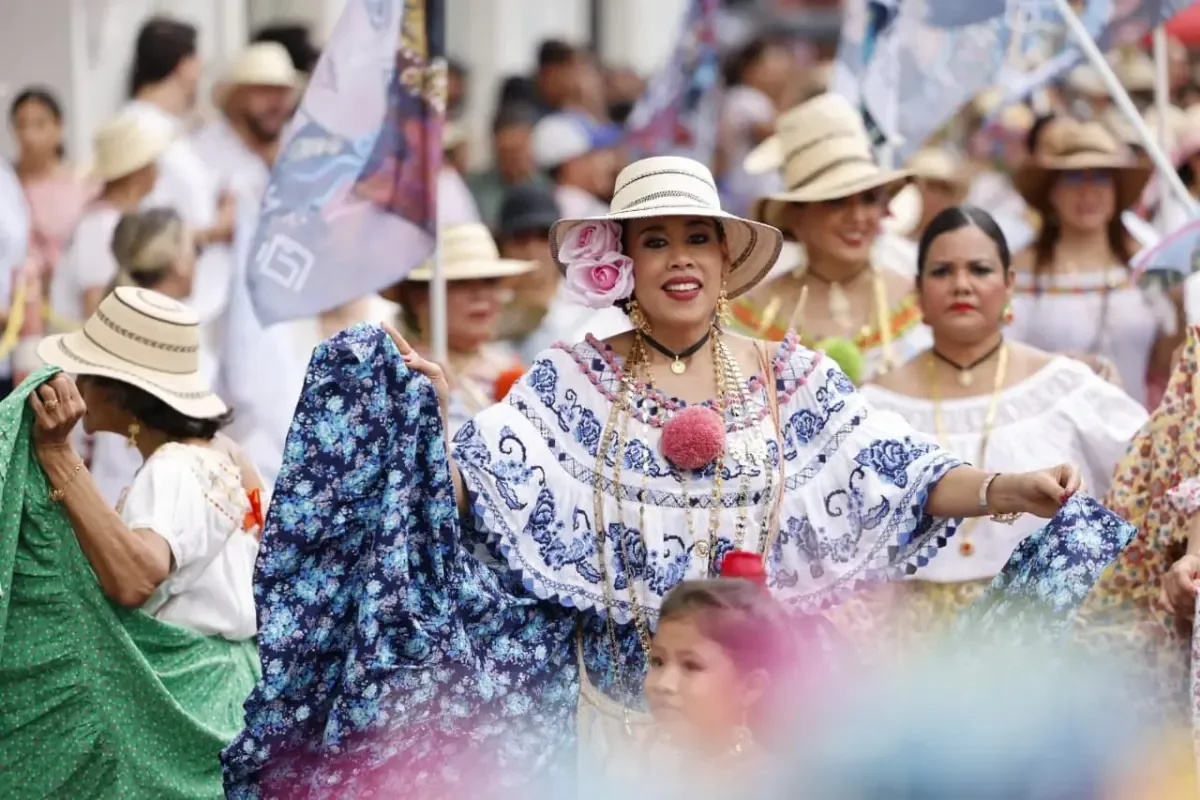
Panama City’s historic quarter will trade honking horns for the beat of tamboritos this Sunday, July 26, 2026, as the Casco Peatonal returns with its most ambitious lineup yet. More than 150 businesses, museums, and independent artists are joining forces to turn the cobblestone streets of San Felipe into a sprawling, walkable festival that stretches from the iconic Arco Chato all the way to the seafood market and beyond. The initiative, which has steadily grown into a beloved monthly tradition, now anchors a broader push to reclaim public space in the capital’s oldest neighborhood while giving locals and tourists a car-free day of art, music, and gastronomy.
A Historic District Reclaims Its Streets
Casco Viejo, a UNESCO World Heritage site, normally wrestles with narrow roads never designed for modern traffic. The pedestrianization concept flips that constraint into an asset, opening the entire sector to foot traffic from early morning until late afternoon. City officials have expanded the route for this edition, linking peripheral zones like the Cinta Costera and the artisan markets of El Viaducto and Balboa. The early risers can join the “Recreactívate” program along the coastal beltway starting at 6 a.m., while bicycle enthusiasts will find a dedicated ride from Miramar to Gamboa as part of “Panamá sobre Ruedas.”
The move mirrors similar open-street experiments across Latin America, from Bogotá’s legendary ciclovía to Mexico City’s paseos dominicales. Yet Casco Peatonal layers a distinct Panamanian flavor onto the formula, mixing colonial architecture with avant-garde street art and a deep bench of culinary offerings. Organizers say the goal is not just recreation but a sustained economic injection for the neighborhood. Small-scale entrepreneurs and established restaurateurs alike report a visible spike in footfall on pedestrian Sundays, a trend that has encouraged more than 150 local businesses to sign on for this installment.
Museums and Galleries Opening Doors Early
A string of cultural venues will fling their doors open well before the midday heat settles in. At 8 a.m., the Museum of Illusions and Poin Panamá gallery kick things off for families eager to beat the crowds. An hour later, the Panama Canal Museum, the Casa Coronel Chocolate and Cacao Museum, and the Museo Orden de la Merced welcome visitors with exhibits that trace the isthmus’s layered history. By 10 a.m., the route expands further with the Museum of History of Panama, the Mola Museum, the Brand Experience Center, the Casa del Soldado, and the original Government Palace all joining the circuit.
Museum operators have tailored their schedules to the pedestrian flow, allowing guests to drift from one air-conditioned hall to the next without worrying about tickets or rigid time slots. The concentration of institutions along a walkable path makes it possible to absorb centuries of canal lore, indigenous textile artistry, and colonial architecture in a single unhurried day. Volunteers stationed near each entrance hand out maps in multiple languages, a practical touch that reflects the area’s status as a global draw.
Street Performances and Culinary Delights
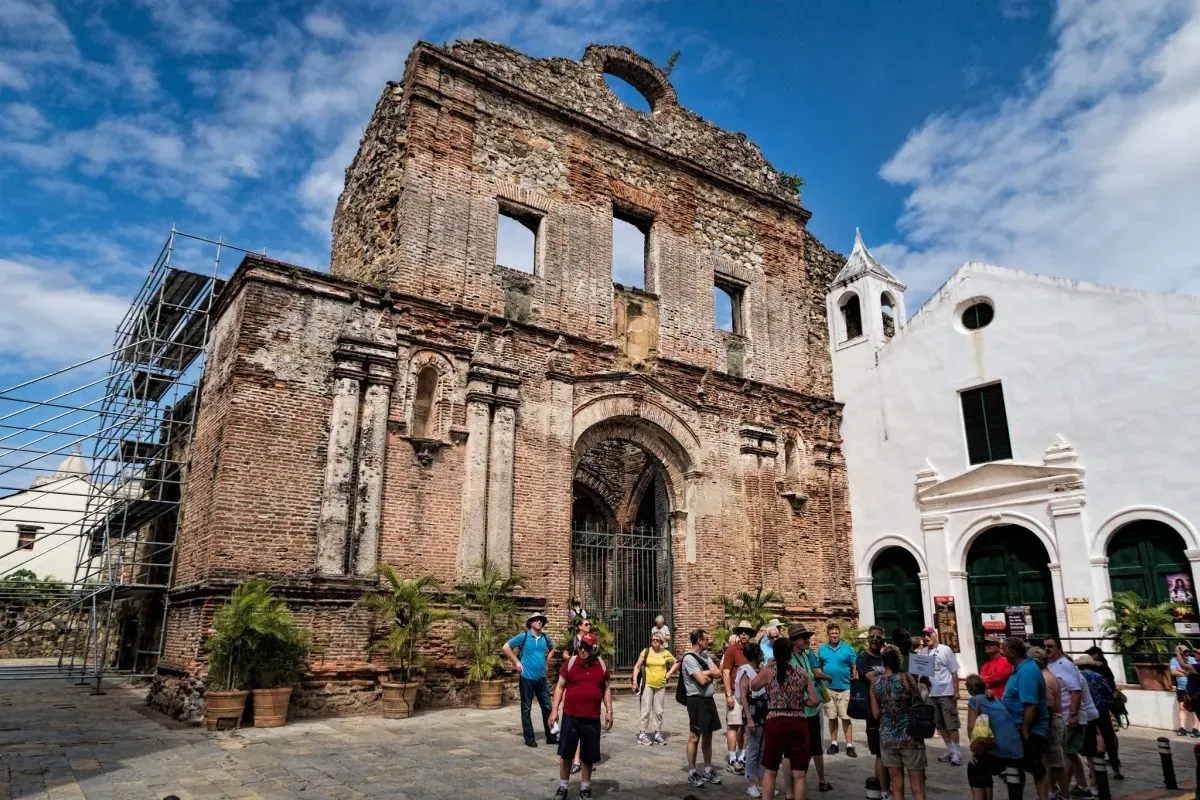
From mid-morning onward, the real energy spills onto the plazas and side streets. At Arco Chato, the Compañía de Jesús presents “Encuentro Gigantes del Mar” at 10 a.m., a family-friendly mashup of whale and turtle motifs brought by the Tourism Authority and JuvenPro that mixes live music, juggling, painting workshops, gastronomy stalls, freestyle battles, and an open microphone curated by the Ministry of Culture. The event transforms the historic archway into a carnival of sensory overload.
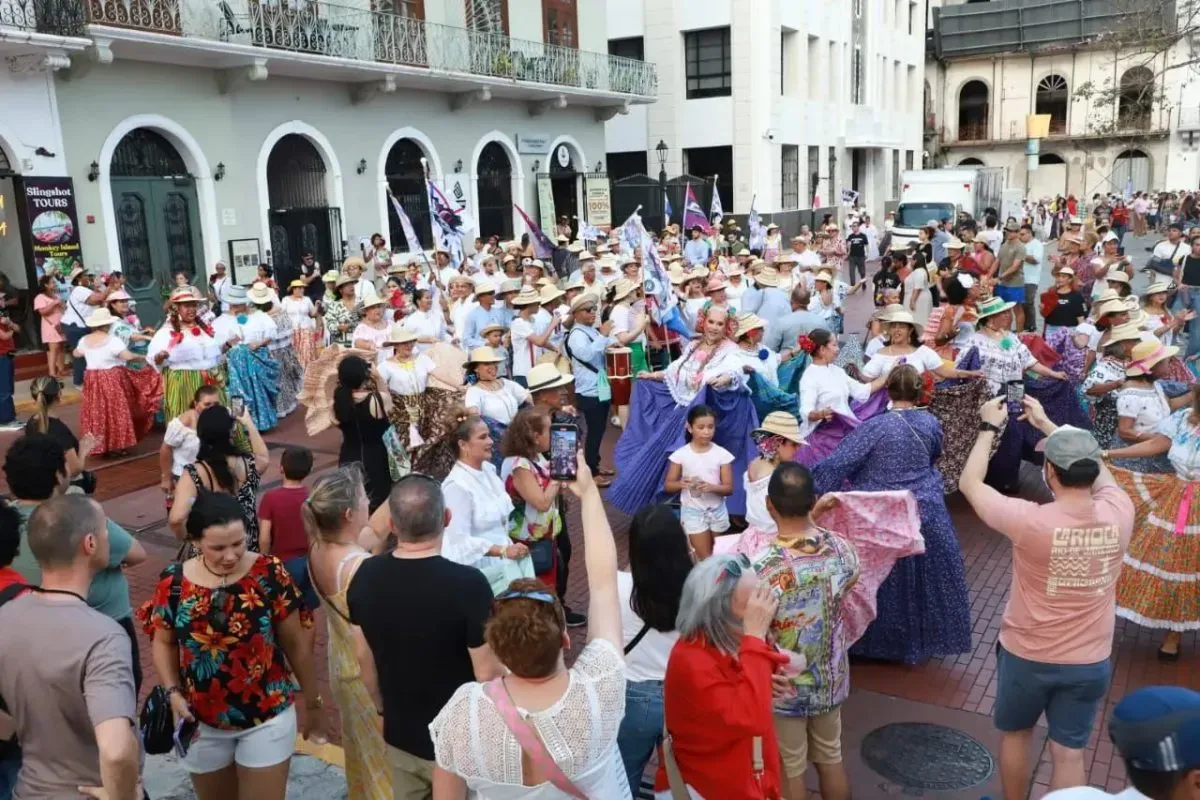
Down by the water, the Mercado de Mariscos gets its own tropical pulse starting at noon with “Marea Tropical,” a series of independent band performances that snakes along the pedestrian walkway toward Santa Ana. At 2 p.m., the action splinters into several simultaneous offerings. A traditional “Tamborito del Callejón” parade marches from Calle de las Molas to the cathedral, led by artist Zambo directing a crayon-painting workshop, a hat-themed photo station, and live sets from the Panama Music Academy, Casco Beats, and DJ sessions. Simultaneously, Plaza Herrera hosts Grupo Sigui Congalu, a municipal police band, a fashion runway showcasing the “Chronos” collection, and an evening closeout by the “Son Cultura” orchestra of the Panama mayor’s office. Over in Plaza Bolívar, a whimsical raspadero competition adds a sweet, sticky showdown to the afternoon lineup. Later, the beachside “Mormaii Sunset” at La Playita features PanaSamba playing live, giving the day a breezy, coastal finale.
Economic Ripple and Safety Net
Beneath the festive surface, the event functions as a low-barrier economic accelerator. Small food vendors, artisan craftspeople, and boutique owners get rare exposure to a concentrated stream of visitors who are not distracted by traffic. The inclusion of mercados like El Viaducto and the Balboa Artisan Market broadens the commercial reach beyond the colonial core, drawing shoppers into spaces that typically depend on weekend tourist buses. City officials highlighted that more than 150 restaurants, shops, and startups are participating, a number that has ticked upward each month as word spreads among business owners.
Public restrooms and a visible security presence are woven into the fabric of the route, addressing two perennial concerns of large outdoor gatherings. Municipal police coordinate with private security teams, and clearly marked aid stations ensure that families with young children or elderly visitors can navigate the day comfortably. Organizers have also worked with the Panama Tourism Authority to minimize plastic waste and keep the plazas clean, a nod to the district’s fragile historic infrastructure. For many attendees, the promise of a safe, sprawling open-air gallery is enough to block out the Sunday on their calendars. As one restaurant owner along the pedestrianized stretch put it, the monthly street closure has become the single most reliable sales day of the entire month.