


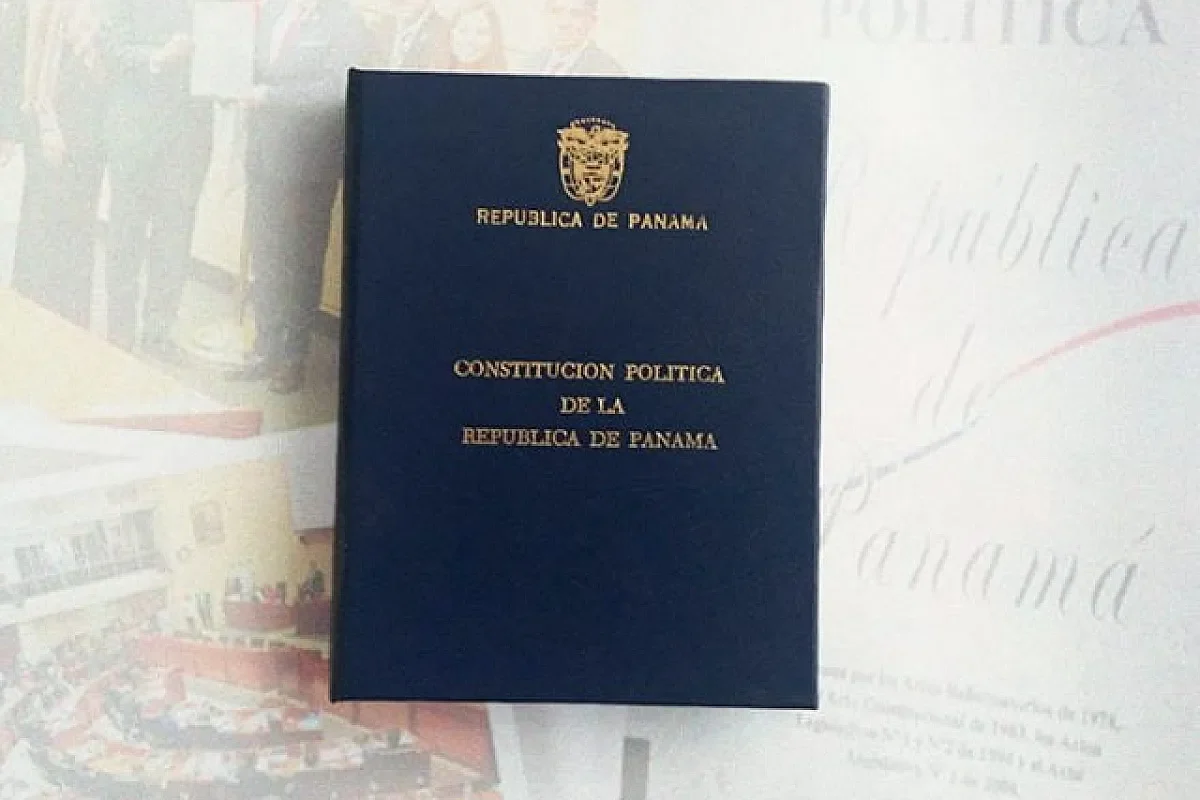
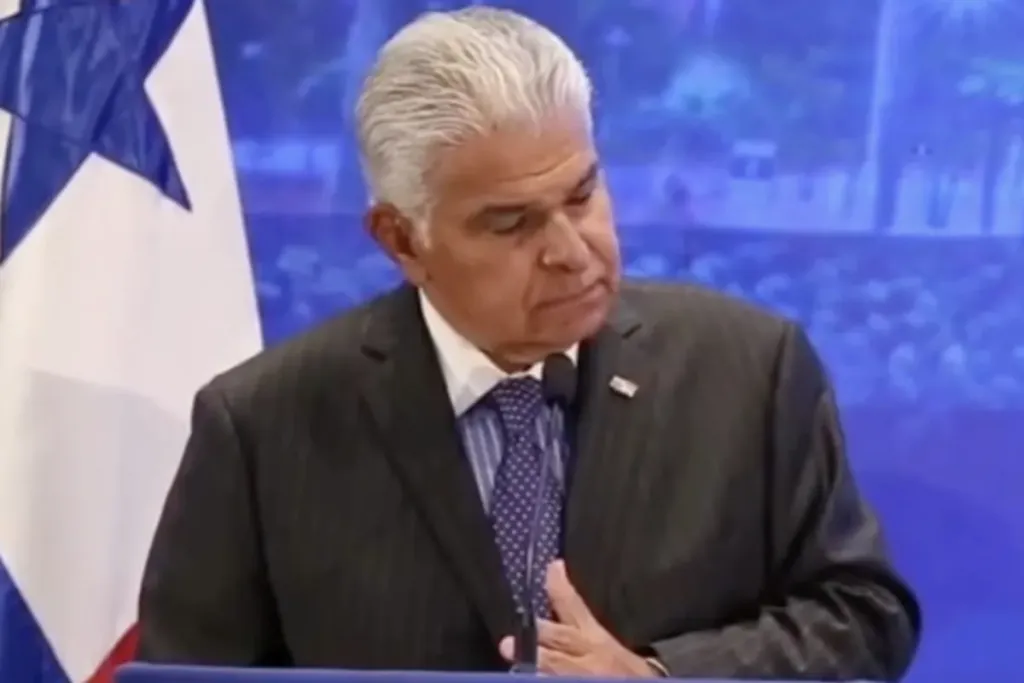
“This system doesn’t work.” The blunt admission from Panamanian President José Raúl Mulino landed like a hammer on the desk of a nation long frustrated by bureaucratic paralysis. Facing reporters, he pulled no punches about the state’s institutional rot, then pivoted to a deadline that could redefine his presidency: 2027, the year he intends to convene a Constitutional Assembly Overhaul. Mulino’s gamble is as audacious as it is risky, a bid to cement his legacy by rewriting the country’s political rulebook before his term ends.
For months, the president has teased structural reforms, but his latest remarks mark a definitive timeline. He framed the assembly as the centerpiece of unfinished business that includes charting Panama’s economic course and tackling a stubborn fiscal mess. “The year 2027 will be an interesting year because of all the things still on my agenda and the decisions I have to finish making,” Mulino said. Rather than wait for incremental fixes, he’s betting that a democratic reset can blast through the logjam no ordinary legislation has cracked.
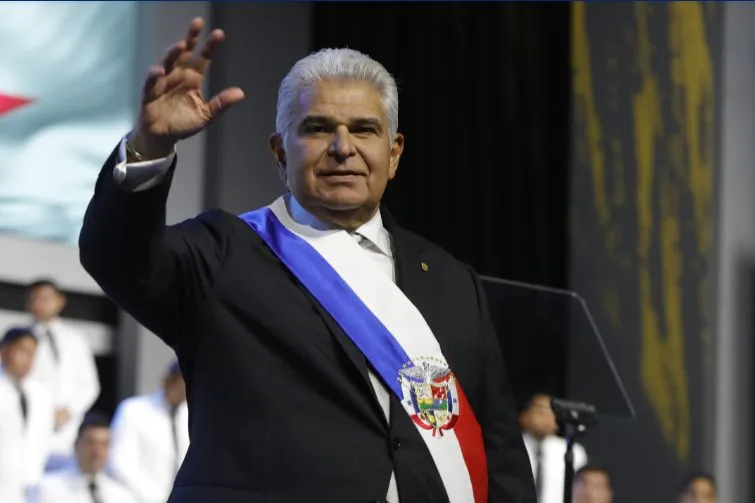
A Legacy Project, Not a Power Grab
Mindful that talk of constitutional conventions often spooks citizens and political rivals alike, Mulino moved quickly to douse fears that he harbors dictatorial ambitions. In a direct, almost folksy tone, he told the public:
“Don’t be afraid, because it won’t be a political act to dissolve any state power, nor for me to get reelected or anything like that.” [Translated from Spanish]
The president’s pledge leans heavily on historical precedent. He invoked the 1945 Constituent Assembly, a broadly participatory process that reshaped Panama’s governance without triggering the collapse of democratic institutions. That parallel is meant to reassure skeptics that his own initiative will enlarge civic engagement rather than concentrate authority. Still, critics question whether a leader who inherited power after a fractured election can truly shepherd an impartial constitutional overhaul.
Economic and Fiscal Crossroads
What’s pushing the 2027 deadline isn’t just ambition—it’s arithmetic. Panama’s public debt has ballooned in recent years, climbing past 55 percent of GDP as pandemic-era spending left deep fiscal scars. The social security system faces chronic shortfalls, and infrastructure pressures mount as the canal’s economic lift moderates. Mulino acknowledged that the coming year must “culminate the country’s economic direction, especially on fiscal matters.” A new constitution, he clearly believes, would provide the legal scaffolding to enact tough reforms that elected lawmakers routinely avoid.
Think tanks like Rand have long documented how bureaucratic sclerosis in middle-income nations can devour reform momentum, turning even sensible fiscal plans into political quagmires. Mulino’s blunt diagnosis—that the state apparatus hampers decision-making—echoes those findings. By seizing the constituent moment, he hopes to sidestep the paralysis that has chewed up so many of his predecessors’ projects.
Fighting Corruption and Cartel Influence
Even a perfectly drafted charter, however, means little if graft and criminal infiltration hollow out the state from within. Mulino warned that Panama must confront corruption “permanently” and sounded an alarm over drug trafficking’s creeping penetration of public institutions. The dual threats are not theoretical. A Un regional report recently flagged Central America’s struggle to insulate courts and police from cartel money, a vulnerability that Mulino’s government can ill afford to ignore. His promise to embed anti-corruption safeguards in any constitutional rewrite will be one of the process’s most watched litmus tests.
The president’s frankness about narco-infiltration is rare among sitting heads of state, underscoring how urgently he views the danger. Panama’s geographic position as a bridge between drug-producing South America and consumer markets to the north has always made it a transit hub. But when traffickers start owning not just routes but officials, Mulino argued, the entire democratic experiment wobbles. A constitutional reset, he implied, must also fortify the judiciary and oversight bodies with genuine independence.
Regional Shadows and Cross-Border Worries
Looking beyond his own borders, Mulino let slip an unusual public worry about Colombia. After recent announcements by Colombian President Gustavo Petro regarding policy shifts and political volatility, Panama’s leader confessed that “very complex times” could lie ahead for the neighboring nation. The anxiety is not abstract. Colombia and Panama share a 266-kilometer jungle frontier that remains a major migration corridor and a flashpoint for organized crime. Turbulence in Bogotá invariably spills over into Panama’s Darién province, straining security forces and social services already stretched thin by record-breaking migrant flows.
By signaling concern while simultaneously pushing a domestic reform blitz, Mulino positioned himself as a steady hand in a turbulent neighborhood. Whether that posture convinces the international community and wary investors will depend on how credibly his 2027 road map unfolds. For now, the president’s words have drawn a sharp line in the sand: he will stake his political capital on a constituent gamble, betting that a new social contract can fix what decades of ordinary politics could not. The countdown has begun.