


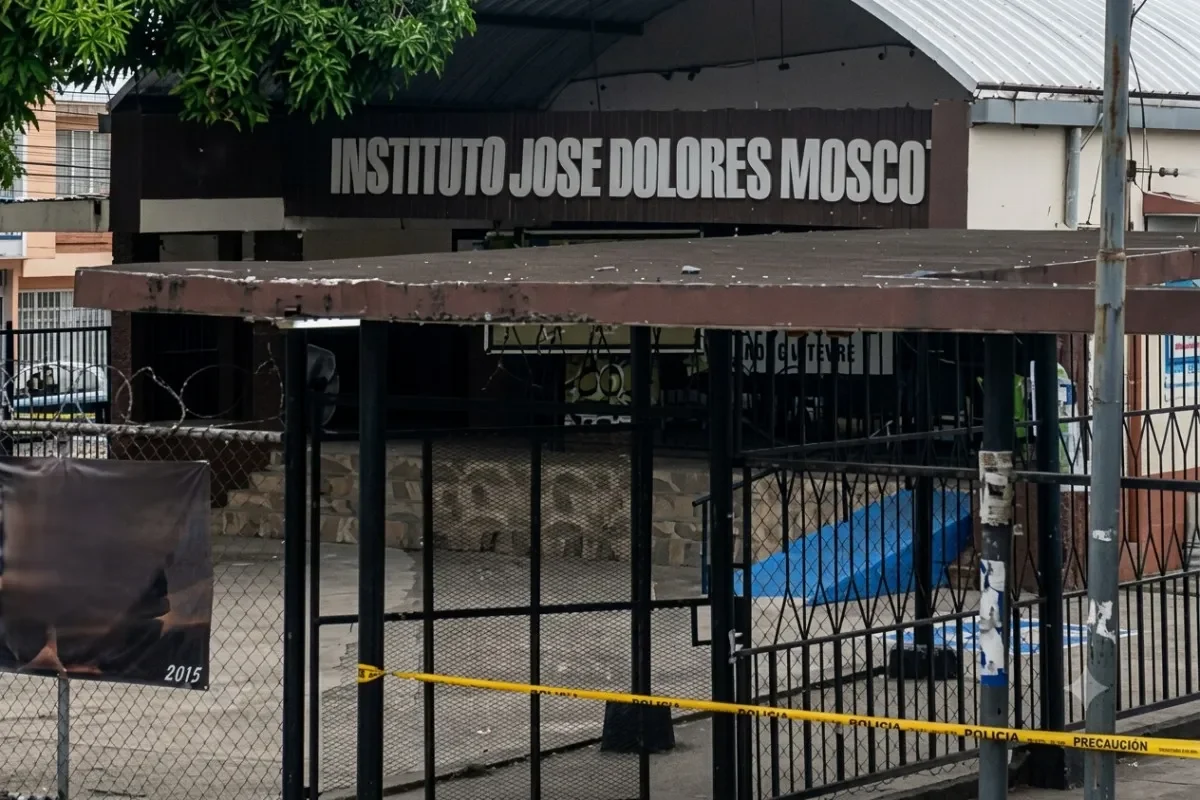
The quiet of a Thursday morning at Panama City’s Instituto José Dolores Moscote shattered when a surprise inspection uncovered a firearm inside a student’s belongings. The August 6 discovery transformed an ordinary day into a flashpoint for a wider conversation about student gun possession, school security protocols, and the measures educators need to keep campuses safe. By midday, a minor had been taken into custody, and school officials were grappling with the aftermath of a situation that could have turned tragic.
A Morning Inspection Turns Critical
Shortly after classes began, discipline staff at the sprawling public high school launched an unannounced requisa, a preventive sweep that the institution conducts periodically. Such searches are designed to intercept contraband before it becomes a threat. This time, But, the routine procedure yielded a disturbing result: a handgun hidden by one of the students. The exact location and type of weapon were not disclosed, but the presence of a firearm on a campus serving more than 3,200 adolescents immediately triggered emergency protocols.
Within minutes, the school’s security team isolated the situation and notified the Policía de Niñez y Adolescencia, the specialized youth police unit. Officers arrived swiftly, detained the underage suspect, and transported him to the prosecutor’s office for formal investigation. No injuries were reported, and the atmosphere in the building remained controlled, but the psychological impact on classmates and staff rippled through the corridors for hours afterward.
Swift Response from Authorities and School Officials
School director Saby Ortíz confirmed that the response was immediate and coordinated, emphasizing that the institution’s discipline corps had been trained exactly for these scenarios.
“Our staff, the school’s discipline corps, is accustomed to conducting surprise checks to prevent incidents. Today we found a firearm and automatically alerted the Youth Police,” [Translated from Spanish]
she said. The director added that only one student was involved and only one weapon was seized, directly pushing back against a flurry of social media posts that speculated about multiple culprits or the presence of illegal drugs.
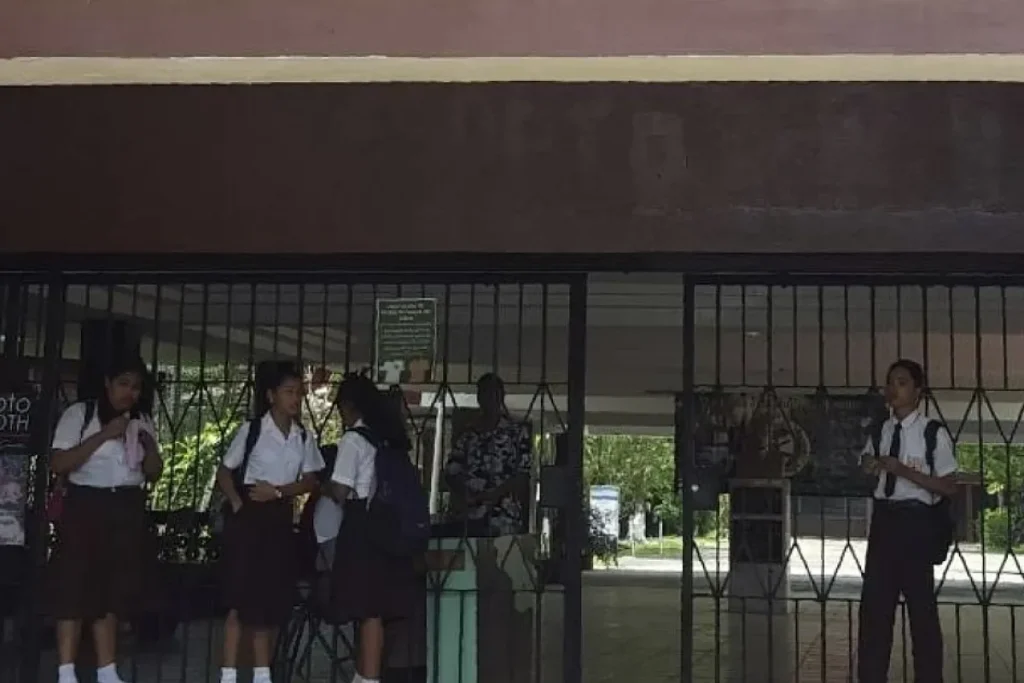
Those online rumors proved to be unfounded. Ortíz clarified unequivocally that no illicit substances were discovered during the inspection.
“At no time did we find illicit substances that are not permitted on a school campus,” [Translated from Spanish]
she said. Teachers who witnessed the discovery also headed to the prosecutor’s office to give sworn statements, a necessary step in building a solid case under Panama’s juvenile justice system.
The regional director of education for Panama Centro, Mireya Pino, praised the school’s quick action and stressed that such preventive operations should become standard nationwide. She argued that the evolving risks facing schools leave little room for complacency and urged every campus to adopt similar protocols. Her remarks signaled a policy push that could reshape daily life in hundreds of institutions across the country.
Student Gun Possession Sparks Call for Preventive Measures
The incident has intensified demands for tangible security upgrades at the Instituto José Dolores Moscote, a facility that houses 3,285 students split between morning and afternoon shifts. Director Ortíz revealed that the disciplinary commission will review new strategies to tighten safety nets, and she renewed a persistent request to the Ministry of Education: install surveillance cameras. The absence of electronic monitoring leaves blind spots that a determined teenager can exploit, she argued, and cameras would add a layer of deterrence that surprise searches alone cannot provide.
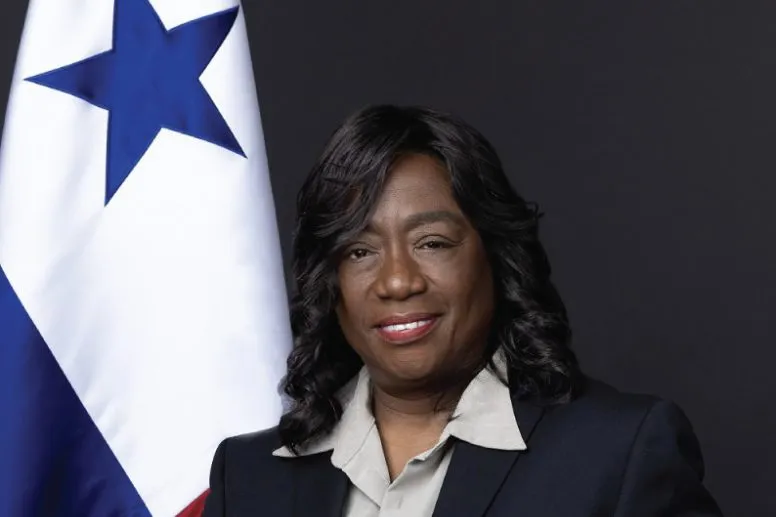
Pino endorsed the camera proposal, calling it a necessary tool for modern school safety. But she also placed a heavy share of responsibility on families. In remarks that echoed through parent chat groups, she pleaded with mothers and fathers to monitor their children’s belongings and behavior more closely. Weapons, she implied, do not appear on school property by accident. They travel from homes, and that path demands greater adult accountability.
The interplay between school-based enforcement and home supervision is likely to dominate the debate in the coming weeks. Student gun possession incidents remain relatively rare in Panama compared to some other countries in the region, yet each occurrence rips away the illusion of school as a protected sanctuary. Authorities are now weighing whether surprise requisas alone are enough or whether structural investments can no longer be postponed.
The Bigger Picture: Security in Panama’s Schools
Panama’s legal framework treats firearm possession by minors with exceptional seriousness, and the youth justice system can impose measures ranging from probation to detention in a specialized center. The case at Instituto José Dolores Moscote will test how quickly the state can process such an offense while balancing the welfare of a minor with the public’s demand for safety. International data from UNICEF and regional watchdogs have long warned that even a single weapon in a school environment can escalate verbal conflicts into lethal encounters, making interdiction efforts like the one carried out this month critical.
The Ministry of Education has, in recent years, encouraged schools to conduct periodic checks, but implementation varies widely. Some administrators shy away from the practice out of concern for student relations or legal backlash. The events of August 6, But, may strengthen the hand of those pushing for universal adoption. Pino’s call to roll out requisas in all centers, combined with a camera installation program, could become official policy if public pressure mounts.
School safety is now a parent-driven political issue. The image of a teenager bringing a gun past the gates of a campus with thousands of young people has a chilling, unifying effect. It cuts through bureaucratic hesitation and forces immediate conversation about what children carry with them and what adults fail to notice. Whether the response will be sustained or fade with the news cycle depends on how forcefully the school community and government leaders rally around concrete changes.
In the meantime, the student remains under investigation, separated from his peers while prosecutors piece together how he obtained the firearm and what he intended. For the 3,285 students who returned to class the next day, the empty desk serves as both a warning and a reminder that safety is never guaranteed, only maintained by vigilance at every level.