


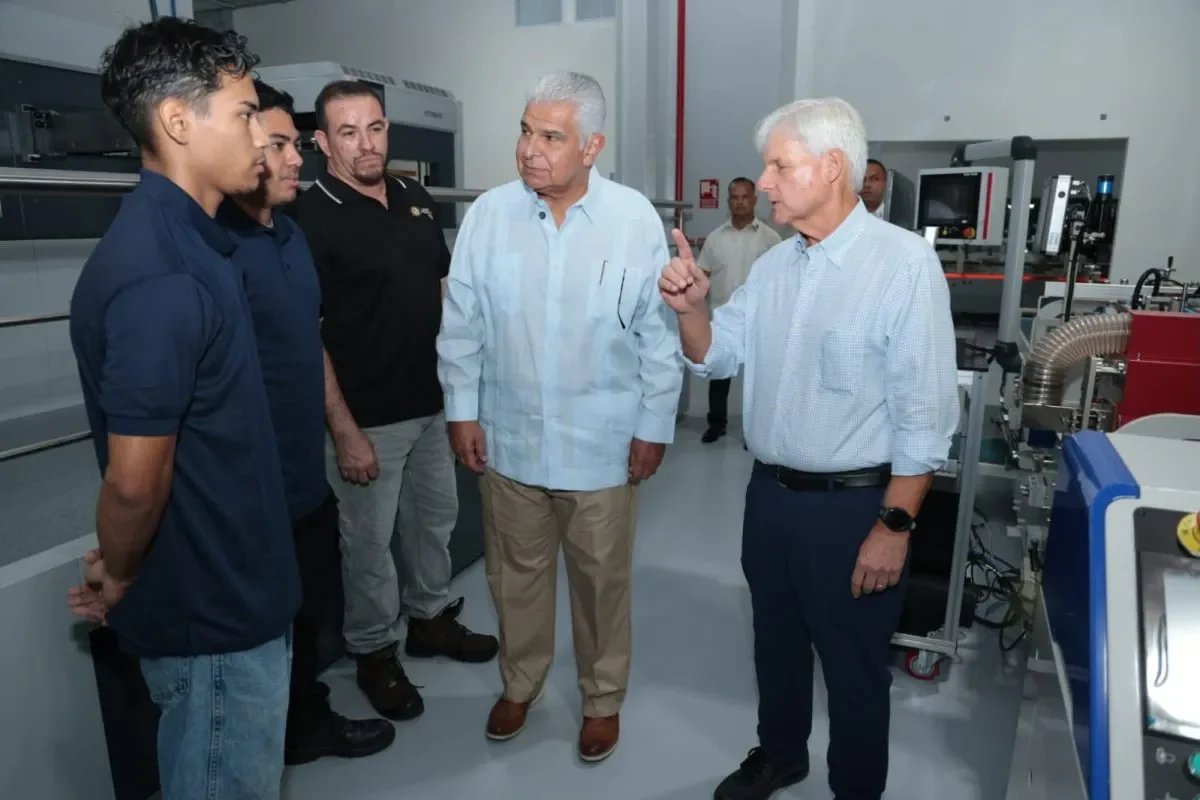
Three young Panamanians who trained in industrial maintenance now spend their days assembling machines and repairing equipment at a company with more than four decades in the textile printing business. Anferni Hoquee, Rosalyn Mina and Víctor González embody a promising shift in technical education Panama, where hands-on training at the Instituto Técnico Superior Especializado (ITSE) is creating a direct pipeline into private sector employment.
Their journey began in April when the trio started professional internships at T-Shirts Interamerica, S.A., a Panamanian firm specializing in screen printing, digital printing, embroidery and engraving. The placement came through the Formación Colaborativa Academia Industria (FCAI) initiative, a program designed by ITSE to connect graduating students with companies that need their skills. After completing their theoretical coursework, the three students now work at the plant three days each week, applying what they learned in classrooms to real industrial operations.
Bridging the Gap Between Classroom and Industry
T-Shirts Interamerica, which employs more than 440 workers, has embraced this collaboration with Panama’s technical education system. The company opened its doors to the ITSE students as part of a deliberate strategy to recruit local talent before they even graduate. Eduardo Orillac, the company’s general manager, confirmed that the partnership will continue and that additional young graduates will join the workforce next year.
The company’s decision to integrate ITSE students reflects a growing recognition among Panamanian employers that local technical institutions can deliver job-ready talent. For a company handling industrial equipment daily, having technicians who understand installation, maintenance and repair from day one brings immediate value. Rather than spending months training new hires from scratch, the firm gains workers already familiar with the fundamentals.
This approach also addresses a persistent challenge in Latin American labor markets, where employers often complain about the gap between academic preparation and workplace expectations. By designing the FCAI program as a bridge between these two worlds, ITSE has given its graduates a distinct advantage over peers from purely academic institutions. T-Shirts Interamerica has spent more than 40 years building its reputation in the screen printing and digital printing industry, and its willingness to invest in young talent signals a forward-looking approach to human resources.
Presidential Visit Validates Technical Education Panama Approach
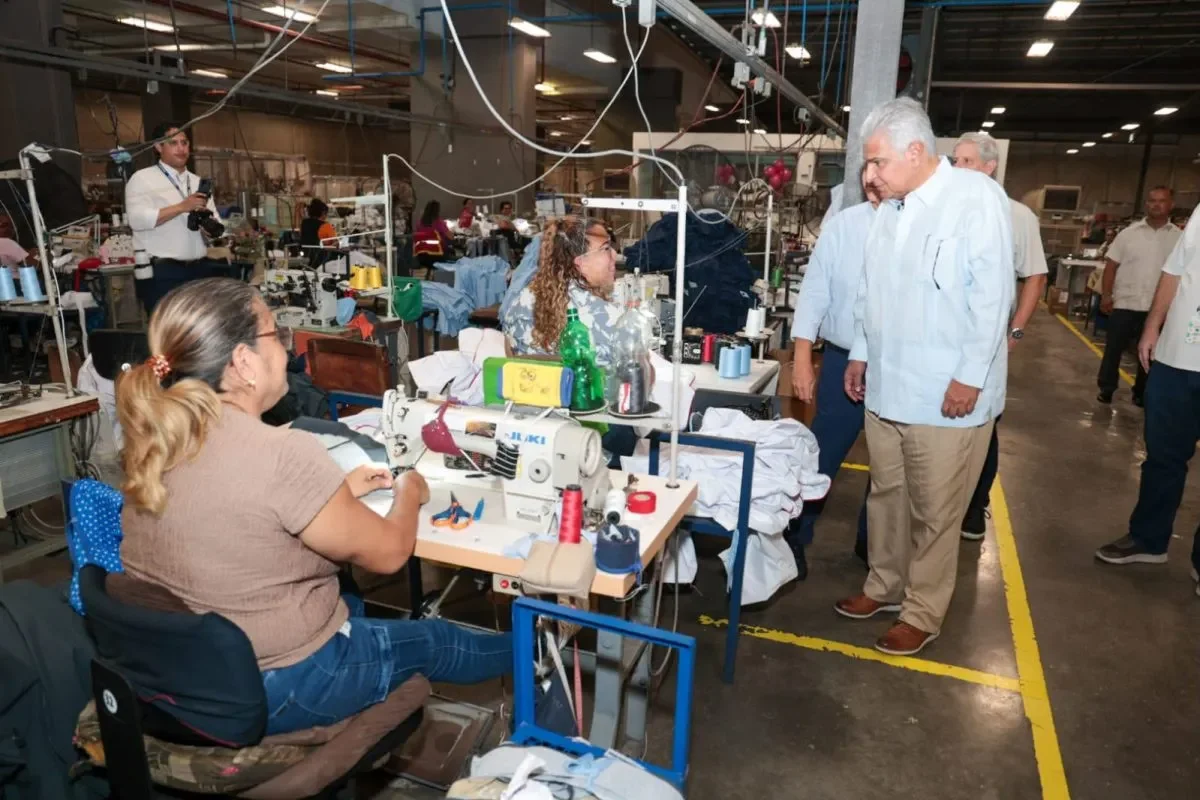
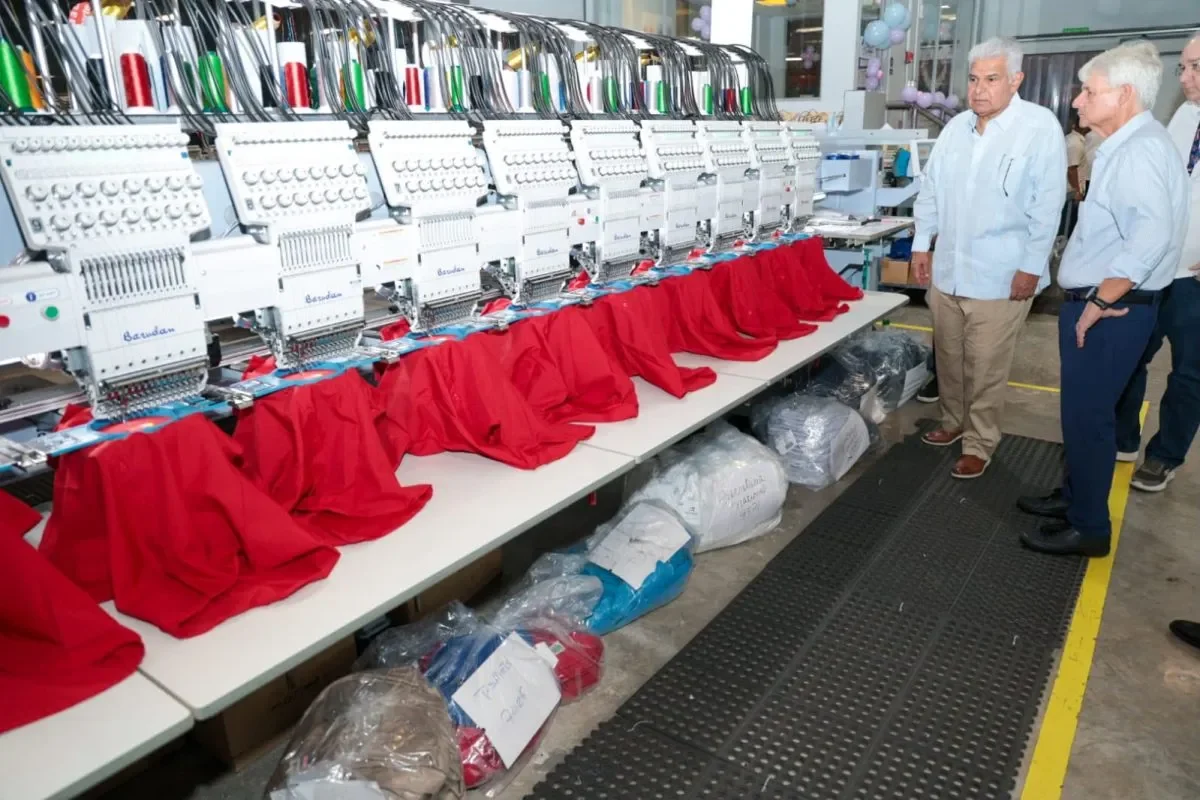
President José Raúl Mulino toured the company’s facilities on Friday, August 21, 2026, speaking with staff and observing how this Panamanian-owned business contributes to national employment figures. The president congratulated the three students for earning the company’s trust and securing their positions once they receive their diplomas.
Mulino told those present that many young people across the country are receiving first-rate training that will help them land well-paid jobs, particularly in the logistics sector. His visit underscored a broader governmental emphasis on workforce development through specialized technical institutes. Panama’s strategic position as a maritime and logistics hub means that skilled technicians remain in constant demand, a reality the president has repeatedly highlighted.
The students expressed gratitude for the president’s interest in their progress. Their presence at the facility represents more than individual achievement; it signals a functional pathway from public education into stable industrial careers, one that policymakers hope will expand across the country.
Real-World Skills and Student Confidence
Working three days per week at the plant, the three students have transitioned from theoretical coursework to practical application. They now handle industrial equipment used to manufacture the company’s products, deepening their understanding of machinery installation, maintenance and repair. Each day brings new challenges that force them to apply classroom lessons to real-world problems.
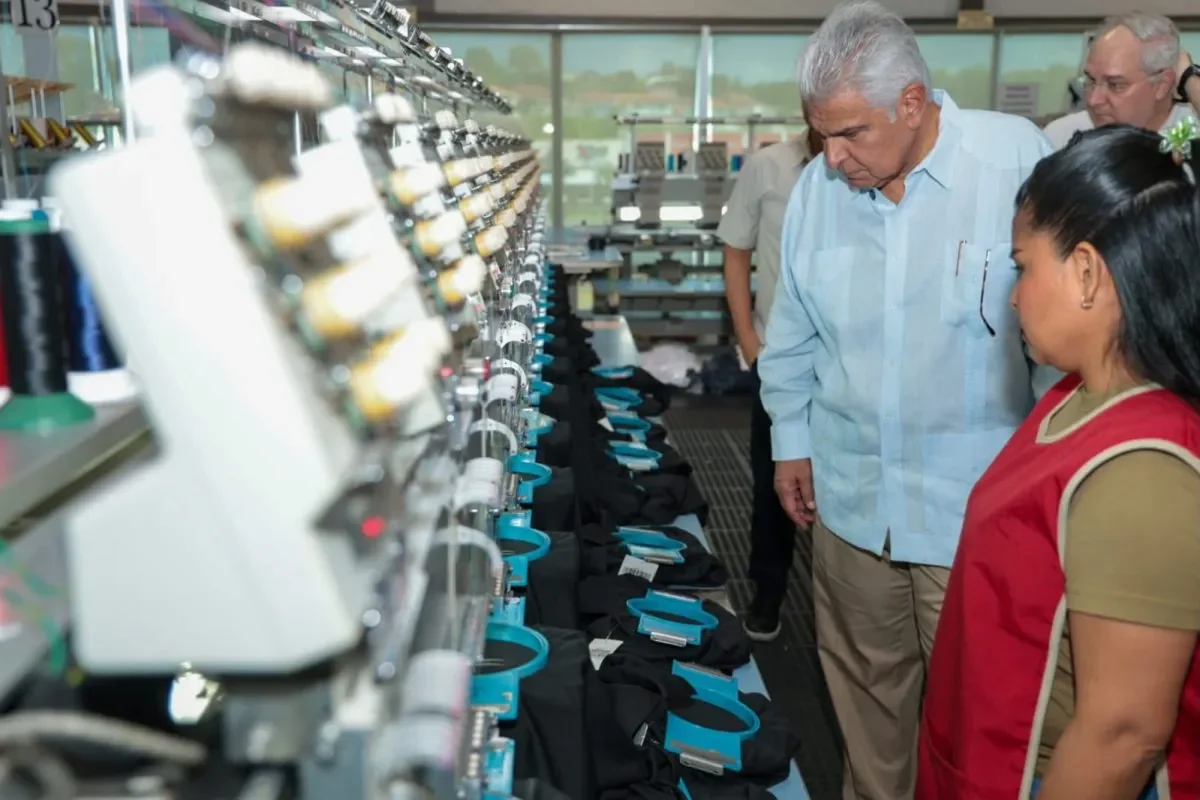
Anferni reflected on the experience with evident pride.
“We have learned a lot. We have assembled machines and applied most of the knowledge we acquired at ITSE. I feel prepared to face any challenge; I want to keep learning and improving to be a better technician in the future.” [Translated from Spanish]
González shared a similar sentiment, crediting both the ITSE training and the company’s confidence in him for his ongoing professional growth. He described how he is refining and expanding his knowledge of industrial machinery to develop fully as a professional. Rosalyn Mina’s placement alongside her two classmates further demonstrates that technical careers remain accessible across genders, a point ITSE has emphasized in its outreach efforts.
A Growing Pipeline for Panama’s Industrial Future
The FCAI program’s success at T-Shirts Interamerica offers a template for scaling technical education Panama across other industries. By matching students with companies before graduation, the initiative reduces the uncertainty that often accompanies the transition from school to work. Students know where they will work, and employers know what skills their new hires possess.
As Panama positions itself as a regional logistics and manufacturing hub, demand for skilled technicians will only intensify. Programs like FCAI and forward-thinking employers like T-Shirts Interamerica demonstrate that when educational institutions and private enterprises collaborate, both sides benefit. The country’s economic competitiveness ultimately depends on the quality of its workforce.
The success of this initial cohort could encourage other Panamanian companies to establish similar partnerships with technical institutions. Rather than competing for scarce experienced talent, employers can help shape the next generation of workers according to their specific operational needs. The three students now on the payroll at this established Panamanian company serve as living proof that technical education can open doors to meaningful employment. Their story is likely to repeat as more graduates from ITSE and similar institutions enter the workforce, equipped with practical skills that employers genuinely need.