


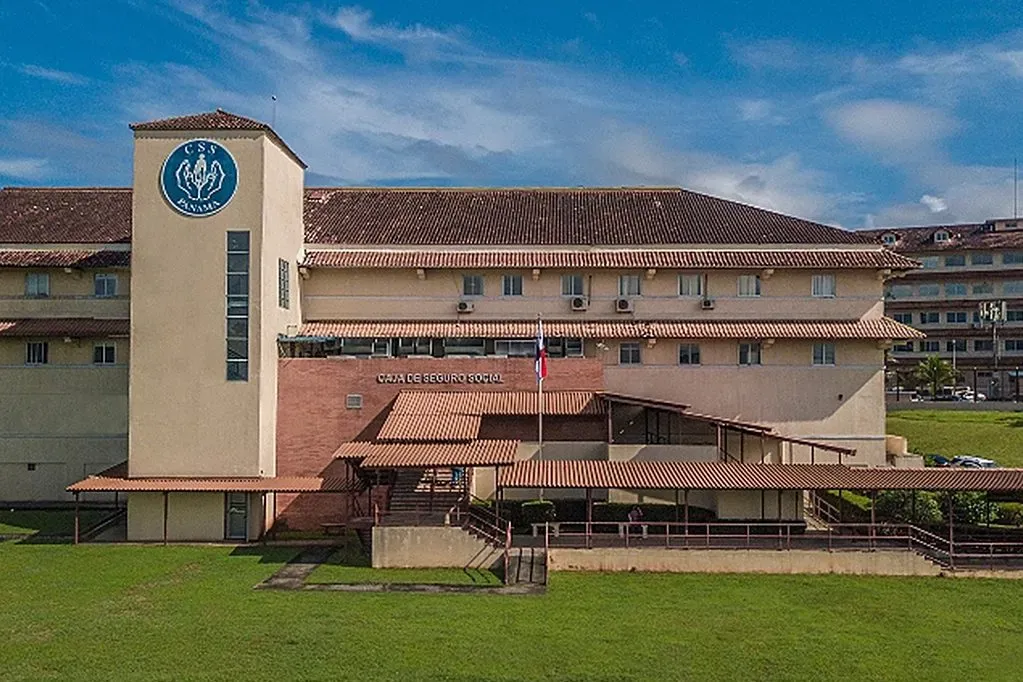
Panama City, Panama – The financial picture for Panama’s Social Security Fund is a story of two halves. On one side, revenue from employer and worker contributions has climbed steadily. On the other, a growing mountain of unpaid bills, driven largely by public sector institutions, threatens the system’s long-term stability. The Social Security Fund Panama collected $2.245 billion in the first six months of 2026, a healthy increase of $145.7 million compared to the same period in 2025. That marks a growth rate of 6.9%.
📑 Table of Contents
This injection of cash is critical for maintaining pensions, medical services, and subsidies for retirees and beneficiaries. But the numbers also reveal a persistent problem. The delinquency rate Panama public sector is climbing, with the total amount owed by employers jumping from $279.4 million in December 2025 to $301.9 million by June 2026. That is an increase of over $22 million in just six months.
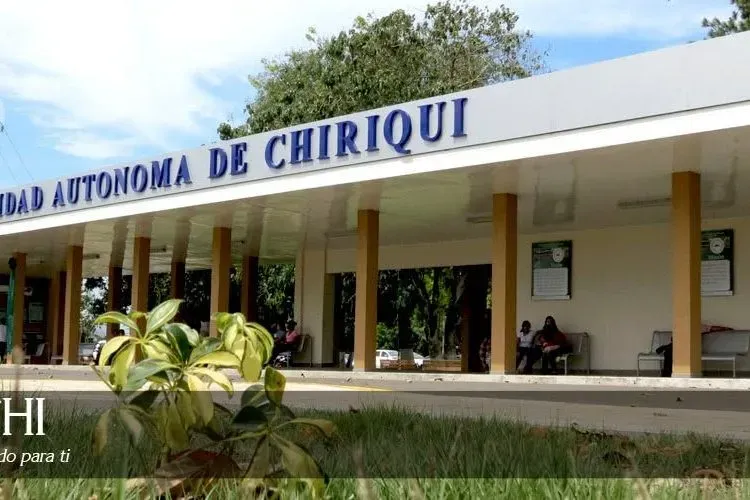
The Social Security Fund has identified a clear culprit. A staggering 78% of the new delinquencies come from just ten employers. All of them are public sector entities. The largest single debt belongs to the Autonomous University of Chiriqui, or Unachi. The university owes nearly $11 million in unpaid worker contributions.
This situation creates a strange paradox. The government is one of the main funders of the Social Security system through its contributions as an employer. Yet it is also the biggest source of unpaid debt. The money that should be flowing into the fund to support health care and pensions is instead being held back by the very institutions that depend on those services for their employees.
Debt Collection and Payment Plans
César Herrera, the executive director of Finance at the Social Security Fund, offered some context for the numbers. He explained that the delinquency list is a snapshot in time. Some entities that appeared as delinquent in the June 2026 report have already paid their debts or started payment plans.
“Although they appeared as delinquent at the time of closing the delinquency report published in June 2026, some entities have already paid their debts or have started the process to catch up, and that will be reflected in the year-end report” [Translated from Spanish]
For those who have not paid, the Fund is taking legal action. Herrera confirmed that cases still showing arrears have been sent to the coercive jurisdiction. This is the legal process that allows the government to seize assets or garnish wages to recover the money. The Fund publishes a list of delinquent employers twice a year, as required by Article 17 of Law 462. This transparency measure is meant to shame late payers and protect the rights of workers.

The Broader Impact on Workers and Retirees
The stakes here are not just about government budgets. They are about real people. Every dollar that goes unpaid is a dollar that cannot be used to pay a pensioner’s monthly check or to buy medicine for a hospital. The Social Security Fund has made a direct appeal to all employers, both public and private. They are urging them to stay current on their payments or to enter into formal payment agreements. The message is clear. The entire system depends on the reliable flow of these contributions.
This problem is not new. The Social Security Fund has struggled for years with a structural deficit. The aging population and the rising cost of health care put constant pressure on its finances. When the government itself fails to pay its share, it only deepens the crisis. The $2.245 billion in revenue is a positive sign. It shows that the private sector and many public workers are contributing. But the $301.9 million in unpaid debt is a warning signal. It shows that the system is still leaking money from a wound it cannot seem to close.
The situation at the Autonomous University of Chiriqui is a case study in this dysfunction. Unachi is a public university. Its employees are public servants. Their pension contributions should be a routine transaction. Instead, the university now owes more than $10 million. This debt does not disappear. It accumulates interest and penalties. It also erodes trust in the system. If a public university cannot pay its bills, what message does that send to small business owners who are also struggling?
The coming months will be critical. The Fund will release its end-of-year report, which will show whether the payment plans and legal actions are working. For now, the numbers tell a simple story. Panama’s Social Security system is taking in more money, but it is also losing more money to unpaid debts. The gap between what is owed and what is collected is the real measure of the system’s health. And that gap is growing.