


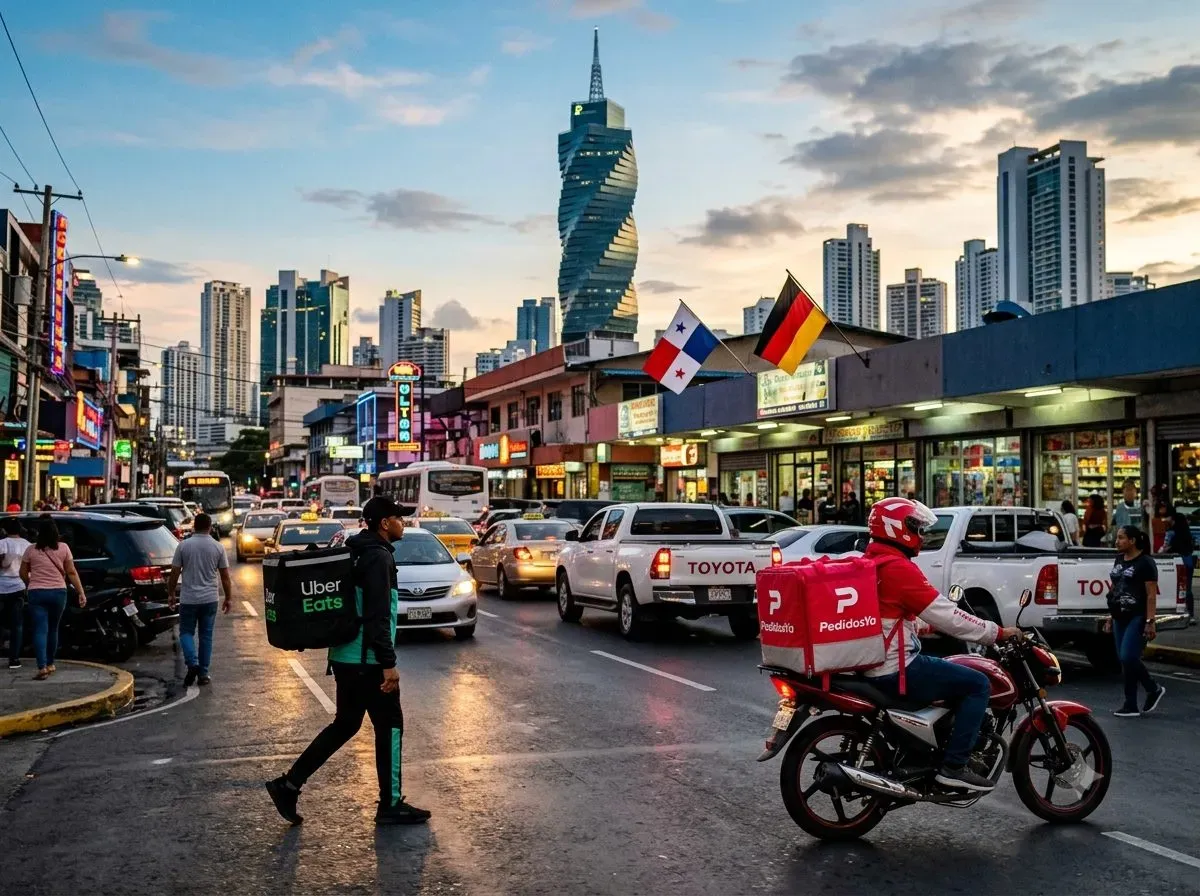
The global food delivery landscape just experienced a seismic shift, and Panama is squarely in the middle of it. Uber Technologies has agreed to acquire the German giant Delivery Hero for a staggering $14 billion, a move that will bring PedidosYa and Uber Eats under the same corporate roof in Panama and dozens of other countries. The transaction is expected to close in the second half of 2027, pending regulatory approvals.
This is not a simple merger of equals. It represents a fundamental reordering of the on-demand delivery sector. Uber will pay Delivery Hero shareholders €41.50 in cash per share, roughly $47.55. When accounting for Uber’s existing stake, the net purchase price comes to approximately $13.7 billion. The deal will be financed through available cash and new debt. Uber has already secured a bridge loan facility of about €14 billion to back the acquisition.
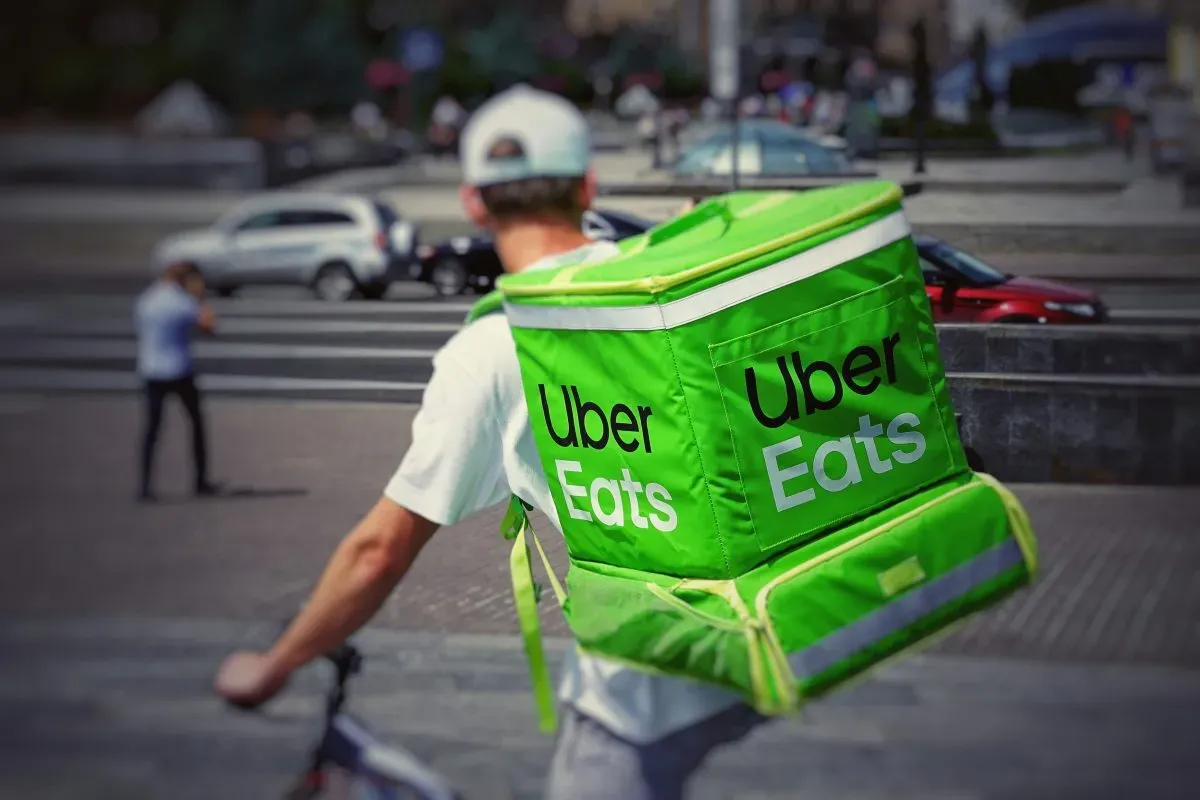
For Panama specifically, the consequences are immediate and significant. PedidosYa has dominated the local delivery market for over six years, holding an estimated 80 percent share. It operates restaurant delivery, supermarket orders, pharmacy runs, and its own PedidosYa Market service. Uber Eats has been a strong competitor since its launch in Panama in September 2014. Now, these two rivals will answer to the same parent company.
What the Acquisition Means for Panama Market Competition
The Panama market competition dynamic is about to change dramatically. When one company controls both leading platforms, questions naturally arise about pricing, merchant fees, and driver compensation. The combined entity would have enormous influence over how Panamanians order food and goods.
Dara Khosrowshahi, Uber’s CEO, framed the deal as an expansion of opportunity. He said the talented team at Delivery Hero has built an extraordinary business with beloved local brands and strong positions in some of the fastest-growing delivery markets worldwide.
‘By integrating our platforms, Uber will extend affordable and reliable delivery service to many millions more people in some of the world’s most dynamic economies, while creating more opportunities for merchants and couriers’ [Translated from Spanish]
Niklas Östberg, CEO and co-founder of Delivery Hero, expressed optimism about the transaction. He called it a chance to amplify the company’s strengths in local food delivery and quick commerce.
‘I thank our team for building this company over more than 15 years and we look forward to this new chapter together’ [Translated from Spanish]
But the deal is not a clean sweep of all Delivery Hero assets. In a parallel transaction, Delivery Hero signed a separate agreement with SSW Partners LP, a New York-based investment firm. SSW Partners will acquire Delivery Hero’s businesses in 14 markets where Uber Eats and Delivery Hero currently compete head-to-head. This includes operations in Chile and Ecuador. The purchase price for these carve-outs is approximately €1.6 billion.
Panama, along with Argentina, Peru, Uruguay, Costa Rica, and other Latin American nations, will remain under Uber’s control. This carve-out structure suggests that antitrust regulators in certain markets demanded divestitures to prevent monopoly conditions. The deal requires acceptance by at least 50 percent plus one share of Delivery Hero stock, and it must clear financial, competition, and merger control reviews.
Financial Scale and Strategic Ambitions
The numbers involved are staggering. The combined platform would span 99 markets globally. Pro forma gross bookings for the year 2025 would reach $236 billion. Delivery Hero’s businesses alone generated roughly $42 billion in gross bookings during 2025. Uber’s strategy is clear: achieve massive scale in the delivery business, integrate brands with established local positions, and drive cross-usage across mobility, food, grocery, and quick commerce services.
Before the announcement, Uber already controlled about 24.77 percent of Delivery Hero’s voting shares. It also held additional economic exposure of roughly 11.74 percent through derivatives. Prosus, a major Delivery Hero shareholder, has committed to selling its stake of approximately 17 percent. This would push Uber’s total economic interest to around 53 percent.
The Uber Technologies acquisition is structured to maintain financial discipline. Uber plans to keep its gross leverage below two times, backed by the company’s free cash flow generation. The bridge loan provides liquidity while the company arranges permanent financing.
Worker Concerns and Market Reality
Not everyone is celebrating this consolidation. Between mid-March and April of this year, PedidosYa delivery drivers in Panama staged a strike. They protested the company’s tariff policies, which had reduced payment for services. The work stoppage lasted more than two weeks. No agreement was reached with management. Activities resumed only gradually, leaving a bitter residue among the workforce.
Drivers worry that a combined Uber-PedidosYa entity will have even more leverage to set terms unilaterally. With fewer competing platforms to switch to, couriers may find themselves with diminished bargaining power. Merchants who rely on delivery apps also face an uncertain future. The loss of competition between two major platforms could lead to higher commission rates and less favorable contract terms.
Until the deal closes in 2027, both companies must operate independently. They cannot coordinate pricing, share data, or integrate operations. Regulators in Panama and other jurisdictions will scrutinize the transaction closely. The Panamanian consumer protection authority and competition commission will likely examine whether the merger substantially lessens competition in the local delivery market.
PedidosYa entered the Panamanian market by acquiring the local startup Appetito 24, which was founded in 2017. Since then, it has built a dominant position through aggressive marketing, broad merchant partnerships, and the convenience of its multi-category platform. Uber Eats arrived later but has carved out a loyal customer base, particularly in Panama City’s affluent neighborhoods.
The question now is whether Panamanian consumers will benefit or suffer from this consolidation. Uber argues that integration will lead to greater efficiency, lower costs, and better service. Critics counter that monopoly power rarely benefits end users. The next two years will be a waiting game as regulators, workers, and business owners watch closely.
One thing is certain: Panama’s food delivery market will never look the same again. The battle between PedidosYa and Uber Eats has been one of the most visible competitive rivalries in the country’s tech sector. That rivalry is about to become a corporate partnership. Whether that partnership serves the public interest remains to be seen.