


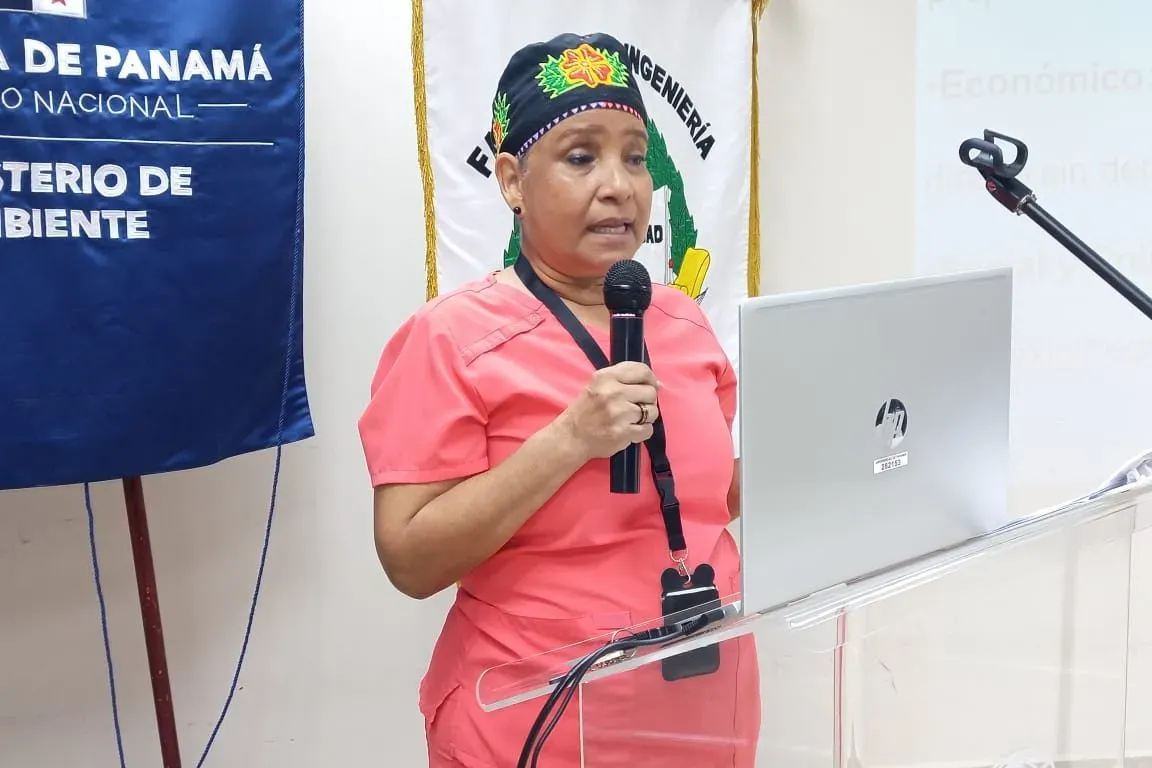
The connection between women and environmental stewardship runs deep in Panama City. In July 2026, the Ministry of Environment of Panama brought together women from community boards across the capital for a specialized training session. The goal was straightforward yet ambitious: teach women how to apply a gender approach in environmental conservation to their daily community work.
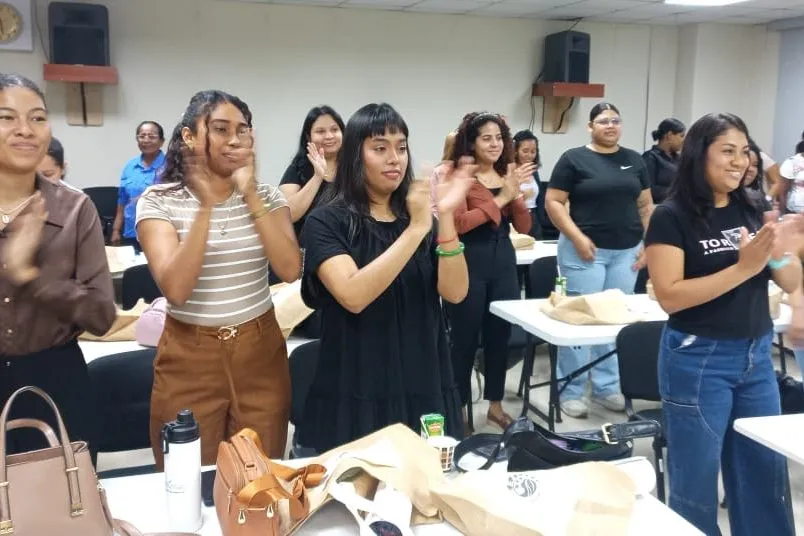
The gathering, organized by the Environmental Culture Section of the Metropolitan Regional Directorate, covered far more than basic ecology. Participants explored topics including women and the environment, value-based leadership, environmental justice, self-esteem, and the foundations for building community-based organizations for environmental management. Through group workshops, hands-on exercises, and theoretical presentations, attendees learned how to form local groups that could tackle environmental problems in their neighborhoods.
Women Outnumber Men in Environmental Studies
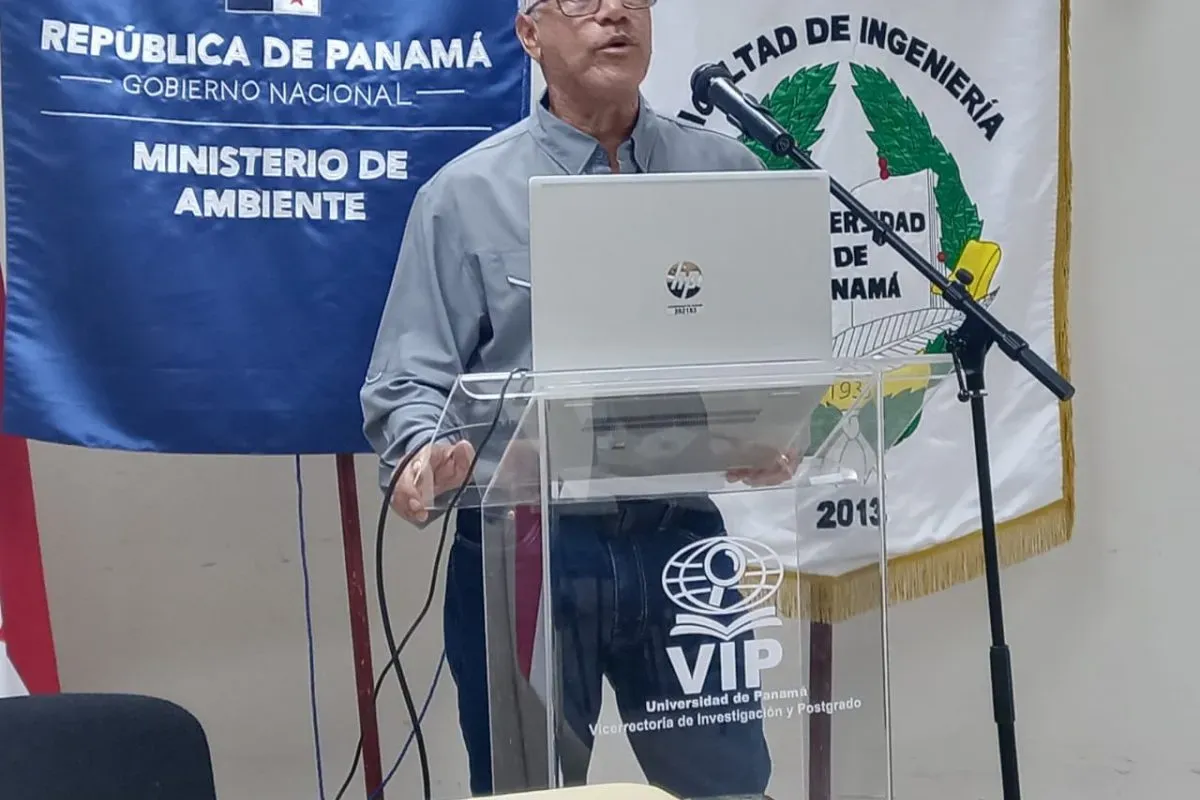
Elías López, dean of the Faculty of Engineering at the University of Panama, spoke at the event. He pointed out a striking statistic about his own institution. “In the careers of the Faculty of Engineering, more than 60% of the students are women,” López said. The Ministry has recognized this shift in demographics as an opportunity to channel female leadership directly into conservation work.
López emphasized that women are fundamental to environmental disciplines. He noted that it is highly significant for these women to acquire environmental knowledge they can apply in their community work. The dean’s comments highlighted a broader trend across Latin America, where women increasingly dominate environmental science programs yet remain underrepresented in leadership roles within the sector.
Leadership and Sustainability Go Hand in Hand
Édgar Naterón, the metropolitan regional director for the Ministry of Environment, addressed the group directly. He framed the training as something bigger than a simple workshop. “This meeting seeks to link personal growth, value-based leadership, and commitment to environmental sustainability from an equitable and inclusive perspective,” Naterón said [Translated from Spanish].
The director did not mince words about the role women play in Panama’s environmental landscape. “Women are pillars of environmental management. Their role is key for sustainable development,” he stated [Translated from Spanish]. He went on to describe them as community leaders in the conservation of forests, mangroves, and natural resources. Naterón pointed out that the daily tasks women perform play a primary role in community life.
‘The Ministry of Environment takes into account the role they play daily and rescues this experience to achieve a much more productive and transcendent development’ [Translated from Spanish]
This statement from Naterón reflects a growing recognition among government institutions that grassroots conservation cannot succeed without the active participation of women. Across Panama, women have historically managed water sources, tended home gardens, and passed down traditional knowledge about local ecosystems. The Ministry’s training program aims to formalize and expand that existing expertise.
Practical Skills for Real Change
The training session went beyond theory. Participants engaged in dynamics and group activities designed to build practical skills. They learned step-by-step procedures for forming local organizations that could work to improve environmental conditions in their neighborhoods. This hands-on approach ensured that attendees left with actionable knowledge, not just abstract concepts.
Gladys Ibarra, head of the Environmental Culture Section for the metropolitan region, offered a closing assessment of the event. She described the women of the region as key environmental guardians due to their relationship with the environment and their role in the sustainable management of natural resources. Ibarra’s words echoed a sentiment that has gained traction among environmental policymakers: that conservation efforts are most effective when they center the people who interact most directly with natural systems.
The training in Panama City represents a small but significant step in a larger movement. Across Central America, governments and NGOs have increasingly turned to women as agents of environmental change. Studies from the region have shown that projects with strong female participation tend to have higher success rates in reforestation, water management, and sustainable agriculture. Panama’s Ministry of Environment appears to be taking those findings seriously.
For the women who attended the July 2026 session, the training offers more than environmental knowledge. It provides a framework for leadership, a network of peers, and a recognized role in their communities. In a country where rapid development often threatens natural resources, these women are positioning themselves as the frontline defenders of Panama’s environmental heritage. Their work, rooted in daily community life, may prove to be one of the most effective strategies for sustainable development in the region.