


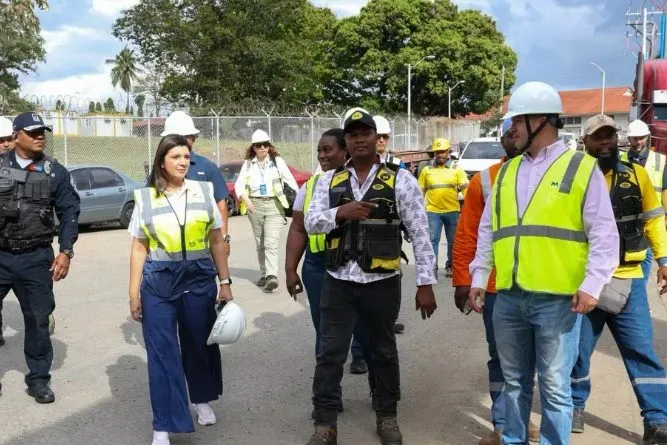
Nighttime drivers heading through the Panama Pacifico area will need to plan alternate routes starting Monday, July 13. The Panama Metro has announced temporary closures of the vehicular bridge and roundabout in the Panama Pacifico Special Economic Zone to accommodate construction of the massive Panama Metro Line 3 project. The restrictions will run for one month, operating exclusively during overnight hours from 9:30 p.m. to 4:00 a.m. daily.
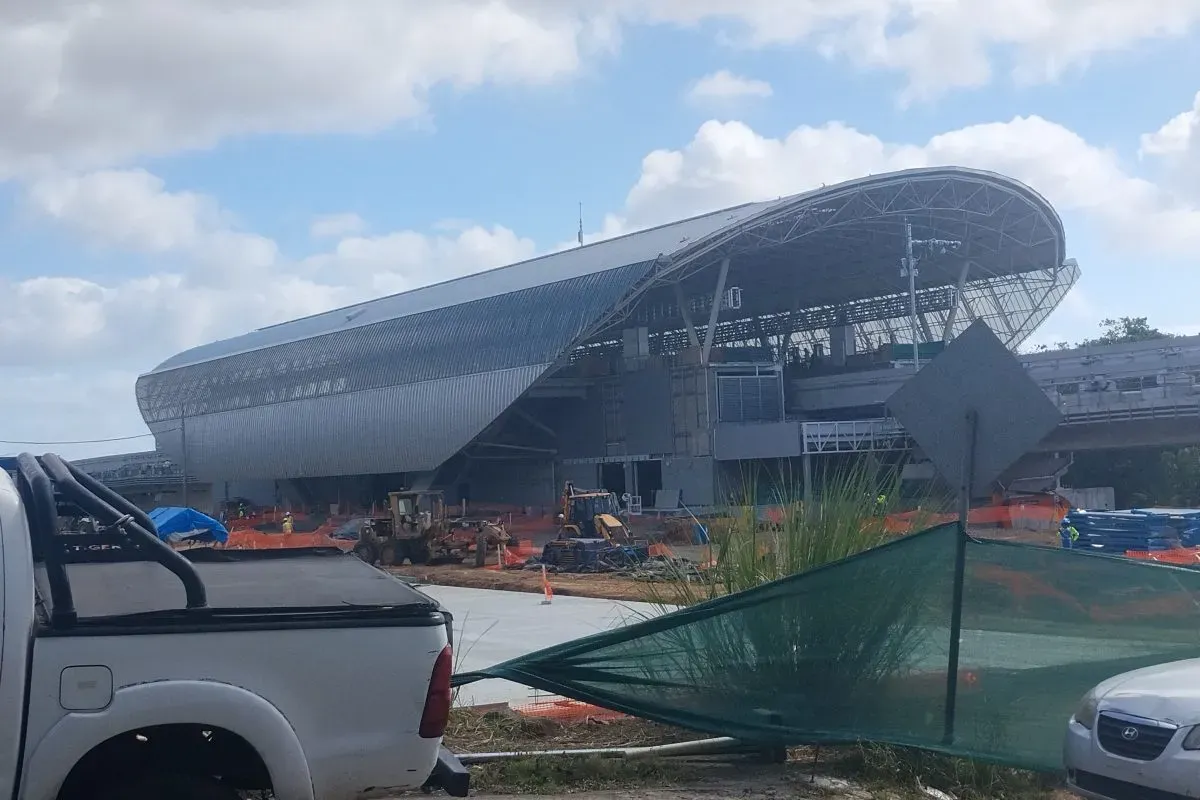
This new transit artery represents one of the largest infrastructure investments in Central America. When complete, Line 3 will stretch approximately 25 kilometers and connect the capital to the western province of Panama Oeste, an area that has experienced explosive population growth over the past decade. The project includes a mix of elevated and underground sections, with the vehicular bridge at Panama Pacifico serving as a critical chokepoint for construction logistics.
What Roads Are Affected
The closures specifically target the roundabout and both lanes of the Panama Pacifico vehicular bridge. Traffic will be blocked in both directions along two key segments: from Cocoli toward Panama Pacifico and from Panama Pacifico back toward Cocoli. These are the primary access points for the special economic zone, which houses dozens of multinational corporations and logistics firms.
The Panama Pacifico Special Economic Zone was established in 2007 on the grounds of the former Howard Air Force Base. It has since become a hub for technology companies, manufacturing operations, and global service centers. The nighttime construction schedule aims to minimize disruption during peak business hours, though officials acknowledge the temporary inconvenience for residents and workers.
‘We apologize for any inconvenience these works may cause. We urge drivers to respect the temporary signage installed in the area to facilitate mobility and guarantee safety during the execution of the works’ [Translated from Spanish]
The Traffic Management Plan, approved by the Transit and Land Transportation Authority, requires that all blocked routes remain clearly marked. Transit units and flaggers will be stationed at key intersections to guide motorists through the detours.
Alternate Routes for Drivers
Authorities have established two main detour options. For those traveling from Panama City center toward Panama Pacifico, the recommended route uses the new access branch specifically built for the special economic zone. Drivers heading from Panama Pacifico toward Cocoli should instead head toward Panama City and make a U-turn near Veracruz.
These detours add between 10 and 20 minutes to typical commute times, depending on traffic conditions. The Panama Metro has coordinated with local traffic authorities to ensure the alternate routes can handle the diverted vehicle flow. Signage has been installed along the full detour paths, and additional personnel will monitor congestion levels throughout the construction period.
The Panama Metro Metro Line system has fundamentally reshaped transportation in the capital since its first line opened in 2014. Line 1 carries hundreds of thousands of passengers daily across its 16 stations. Line 2 began operations in 2019, extending service eastward toward Tocumen International Airport and the industrial zones of eastern Panama province.
Broader Context of Panama Transit Expansion
Panama’s metro expansion forms part of a wider national strategy to modernize infrastructure and reduce chronic traffic congestion. The Panama City metropolitan area, home to nearly half the country’s 4.5 million residents, has seen vehicle ownership skyrocket over the past two decades. Road construction has struggled to keep pace with demand.
Line 3 represents a particular engineering challenge because it must cross the Panama Canal. The project includes a massive cable-stayed bridge spanning the waterway, one of the longest of its type in the Americas. Construction crews have been working around the clock on foundation work and pier installations along the route. The Panama Pacifico bridge closures directly support the approach viaducts that will connect the main span to stations on the western side of the canal.
When fully operational, Line 3 is expected to carry approximately 200,000 passengers daily. It will feature 14 stations and connect with Line 2 at a major interchange near the Albrook bus terminal. The project budget currently stands at roughly $3.6 billion, with completion targeted for 2026.
Residents and businesses in the Panama Pacifico area have been notified of the construction schedule through community meetings and digital alerts. The Panama Metro maintains a dedicated information line and social media channels for real-time updates on road conditions and any unexpected changes to the closure timetable.
The nighttime work strategy reflects lessons learned from earlier metro construction phases in Panama City, where daytime closures caused significant economic disruption. By restricting work to overnight hours, project managers hope to maintain construction momentum while allowing businesses and commuters to function normally during the day. The one-month closure period covers critical girder installation work that cannot be safely completed under daytime traffic conditions.