



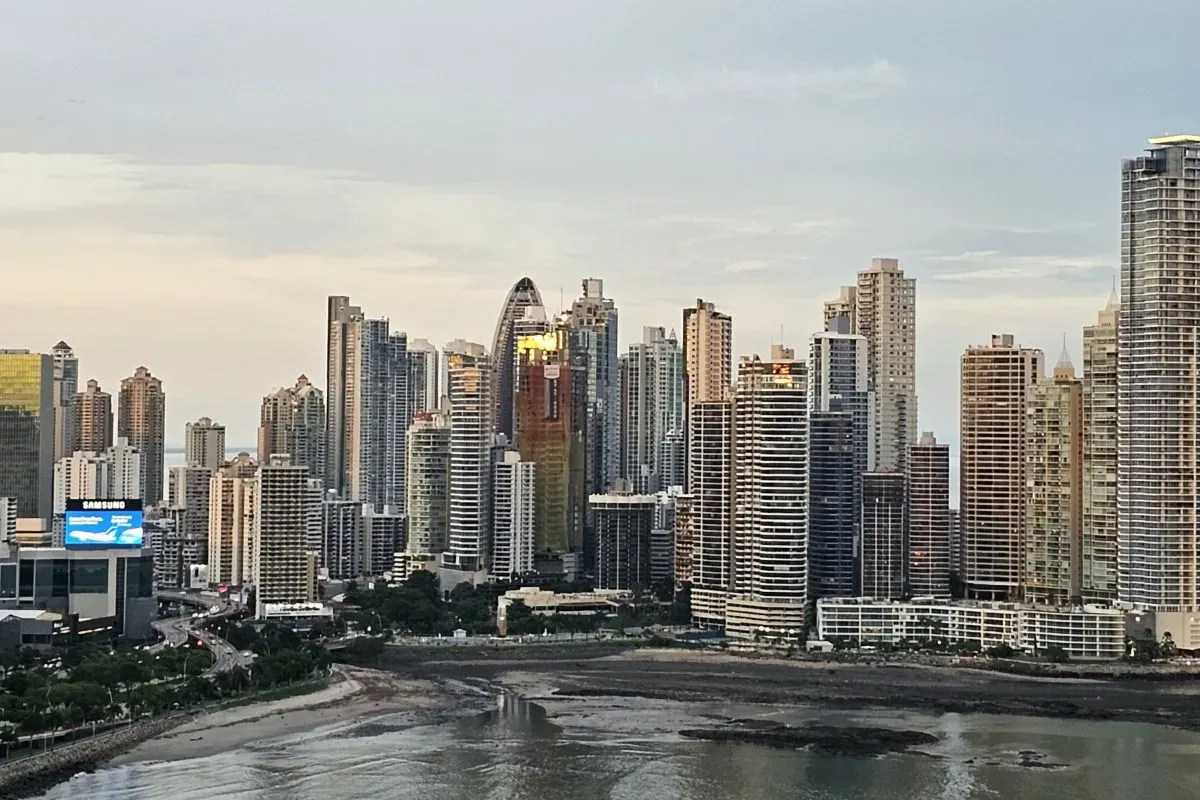
Panama City, Panama. A young couple walking through the capital stops to look at a real estate advertisement. They both work full time jobs. But buying a home feels like a distant dream. This scene plays out across the country every day. And it reflects a massive demographic shift that is reshaping the nation. According to UNFPA Panama, the average number of children per woman has dropped from more than five in 1950 to less than two today. That is a dramatic change in just three generations.
Life expectancy keeps climbing too. People are living longer. This combination creates a new reality for Panama. The population is getting older. Families are getting smaller. And the demand for care services is growing rapidly. Edith Castillo Núñez, the national representative for the United Nations Population Fund in Panama, said the country is facing a transformation without precedent.
‘The results of the recent Population and Housing Census, together with the Population Situation Analysis, confirm that our demographic structure is changing at an unprecedented speed’ [Translated from Spanish]
Castillo Núñez made these remarks while discussing the findings of the latest census data. The numbers tell a clear story. Panama is not alone in this trend. A global survey called Lives, Choices and Futures polled 108,000 people aged 18 to 39 across 73 countries. The results showed that young people still want stable relationships and children. But they feel blocked by economic realities.
The survey found that 88 percent of participants believe financial security is essential before starting a family. Another 87 percent said stable employment matters most. And 85 percent highlighted emotional readiness as a key factor. These are not small concerns. They are major barriers. The same study revealed that 72 percent of respondents see economic difficulties and lack of affordable housing as the biggest obstacles to having children.
The executive director of UNFPA, Diene Keita, offered a sharp observation about the global trend. She said the decline in fertility does not mean young people have lost the desire to build families. Rather, uncertainty is the real enemy. Panama fertility rate decline mirrors a worldwide pattern where economic instability delays major life decisions.
‘We are living in a time of profound demographic changes. It is uncertainty, and not a lack of will, that leads young people to wonder if they can form the families they want’ [Translated from Spanish]
The implications for public policy are massive. Panama needs to rethink how it supports families. The UNFPA argues that demographic policies should not pressure people to have more children. Instead, the goal must be removing barriers. That means expanding access to decent housing. It means creating quality jobs. It also means strengthening maternity and paternity leave policies that encourage shared responsibility.
Affordable childcare services are another critical piece. So is a comprehensive health system that can handle an aging population. The Population Situation Analysis highlights these needs clearly. The country must prepare for a future where fewer working-age people support more elderly citizens.
Data from the Panama census 2023 also sheds light on regional variations within the country. Indigenous communities face different demographic pressures compared to urban centers. But the overall direction is the same. Families are shrinking. The workforce is aging. And the social safety net must adapt.
Experts warn that Panama cannot afford to delay action. The window for proactive policy is narrowing. If the country fails to invest in care infrastructure now, the costs will be much higher later. Hospitals will face more pressure. Pension systems will strain. And the gap between what families need and what the state provides will widen.
The UNFPA report makes one thing clear. Young Panamanians are not rejecting family life. They are postponing it because the conditions are not right. The question for policymakers is whether they will act to change those conditions or watch the demographic shift accelerate without a plan.