


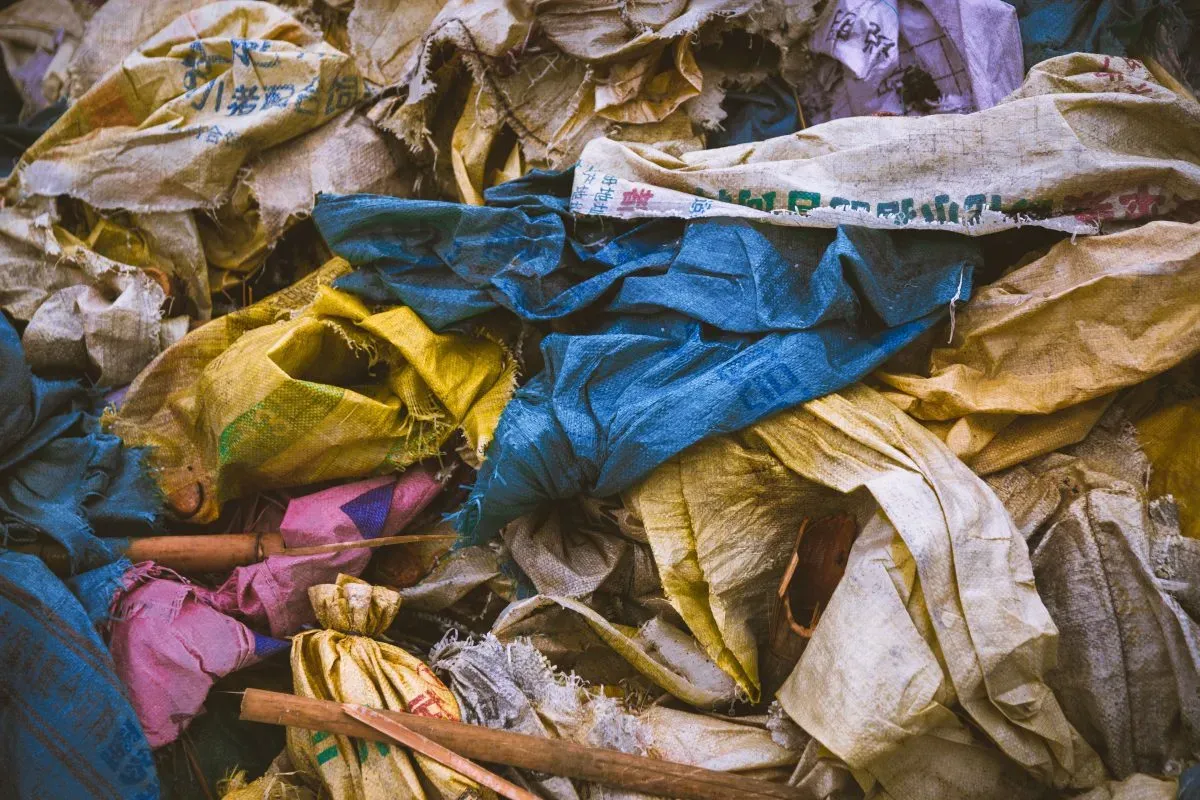
In the wake of recent torrential downpours that damaged more than 1,300 homes, a community in Bocas del Toro has taken matters into its own hands. Parents, students, and residents of Finca Las 30 in the Changuinola district organized a massive cleanup effort to clear canals, gutters, and public spaces. Their goal was simple but urgent: reduce the risk of more flooding as the rainy season continues.
The storms that swept through the province in recent days left a trail of destruction. More than 4,000 people were affected across Bocas del Toro. Streets turned into rivers. Homes filled with muddy water. Families lost belongings and, in some cases, had to flee to higher ground. The cleanup in Finca Las 30 represents a grassroots response to a problem that keeps coming back every year.
Community-Led Prevention Becomes a Priority
Enilsa Montenegro, a local leader involved in organizing the event, said the initiative came directly from the educational community. The school, parents, and neighbors coordinated with the Changuinola Municipality, which helped haul away the collected debris. The effort was not just about clearing blockages. It also aimed to teach students about recycling and environmental protection.
‘What is important about this collection is that this garbage does not reach the rivers, does not reach the sea, and also does not harm our community with various diseases’ [Translated from Spanish]
Montenegro added that the group is now coordinating with the Ministry of Health to strengthen preventive measures in the area. The partnership between residents and local government shows how communities can respond quickly when official infrastructure struggles to keep up.
Fidel Santos, a representative from the Changuinola Municipality, explained the direct link between trash and flooding. He pointed out that when people throw garbage into streets, gutters, and canals, the water has nowhere to go during heavy rains.
‘Throwing garbage in the streets, in the gutters and in the canals obstructs the passage of water in times of rain and produces floods’ [Translated from Spanish]
Waste Management as a Flood Risk Factor
The situation in Bocas del Toro highlights a broader challenge facing many communities in Panama. Poor community waste management systems mean that plastic bottles, bags, and other debris often end up in drainage networks. When these channels get clogged, even moderate rainfall can cause flash floods. The problem is especially acute in low-lying areas like Changuinola, where the water table is high and the terrain is flat.
Experts have long warned that unplanned urbanization and inadequate garbage collection services contribute to flood risks. In many neighborhoods, residents have no choice but to dump waste in open spaces because official collection routes are irregular or nonexistent. The result is a vicious cycle: trash blocks drains, water rises, and communities suffer repeated disasters.
The Finca Las 30 cleanup is a small but significant example of what can be achieved when residents take ownership of their environment. By removing debris from canals and promoting recycling, they are not only protecting their own homes but also preventing waste from reaching rivers and the ocean. This kind of local action complements broader efforts to address Panama flood risk reduction at the national level.
Recycling and Environmental Awareness Grow
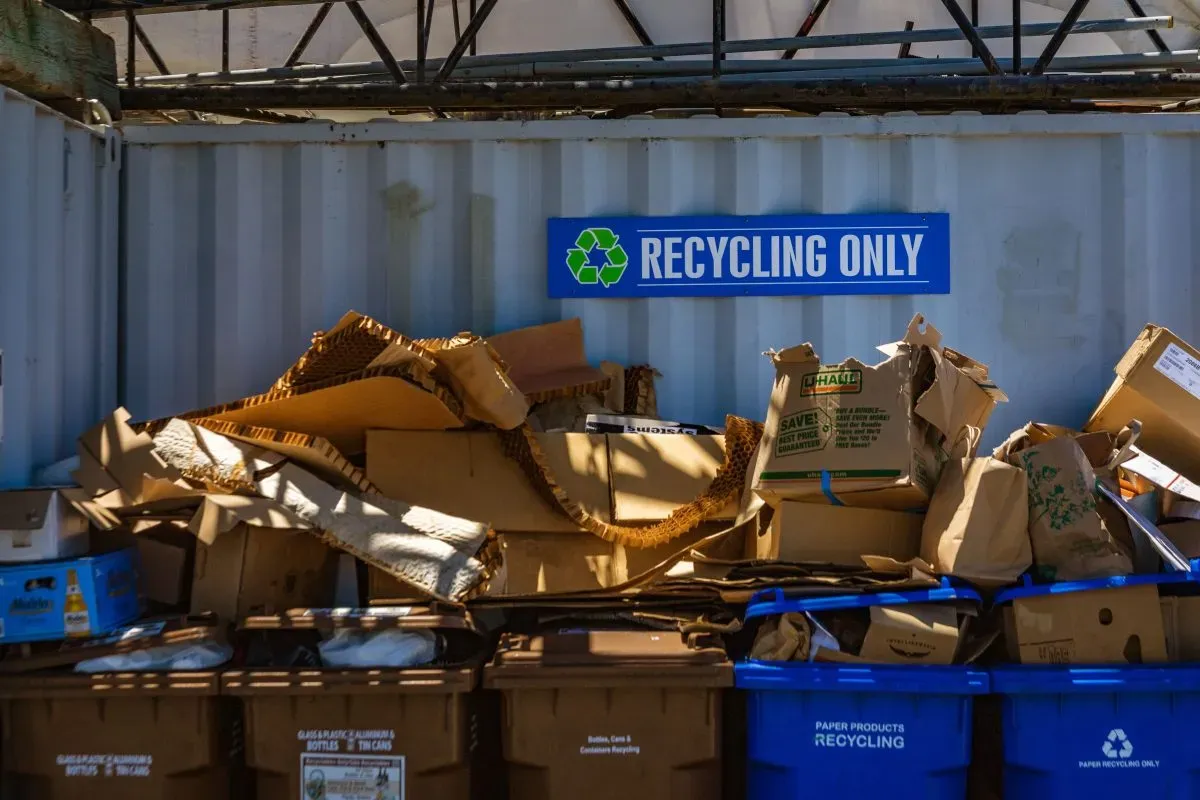
Beyond flood prevention, the cleanup day served as an educational opportunity. Students learned to separate recyclable materials from general waste. They saw firsthand how plastic bottles and cans can be given a second life instead of ending up in waterways. Organizers hope these lessons will stick, creating a new generation of residents who think twice before discarding trash carelessly.
The municipality provided logistical support, but the driving force came from the community itself. Parents showed up with brooms, shovels, and garbage bags. Children helped sort materials. Neighbors checked on elderly residents who could not participate physically. It was a collective effort born from necessity and a shared understanding that waiting for outside help is not always enough.
This kind of civic engagement is especially important in Bocas del Toro, a province that has experienced severe floods during past rainy seasons. In 2022, for example, the government declared a state of emergency after rivers overflowed and cut off entire communities. Those events left lasting scars and taught residents that preparation is key.
A Model for Other Communities
The approach taken in Finca Las 30 could serve as a blueprint for other neighborhoods facing similar challenges. The combination of local leadership, school involvement, and municipal support creates a framework that is both practical and sustainable. It does not require massive budgets or foreign aid. It simply requires people to show up and work together.
Still, community cleanups alone cannot solve the underlying issues. Bocas del Toro needs better waste collection infrastructure, more investment in drainage systems, and stricter enforcement of littering laws. The government has pledged to improve conditions in the province, but progress has been slow. In the meantime, residents are doing what they can to protect themselves.
As the rainy season continues, the people of Finca Las 30 know that one cleanup will not be enough. They plan to hold similar events regularly, especially after heavy storms. They are also talking to local officials about setting up permanent recycling stations and improving garbage collection routes. It is a long road, but they have made a start.
The message from this small community in Bocas del Toro is clear: when the water rises, waiting is not an option. Action starts at home.