


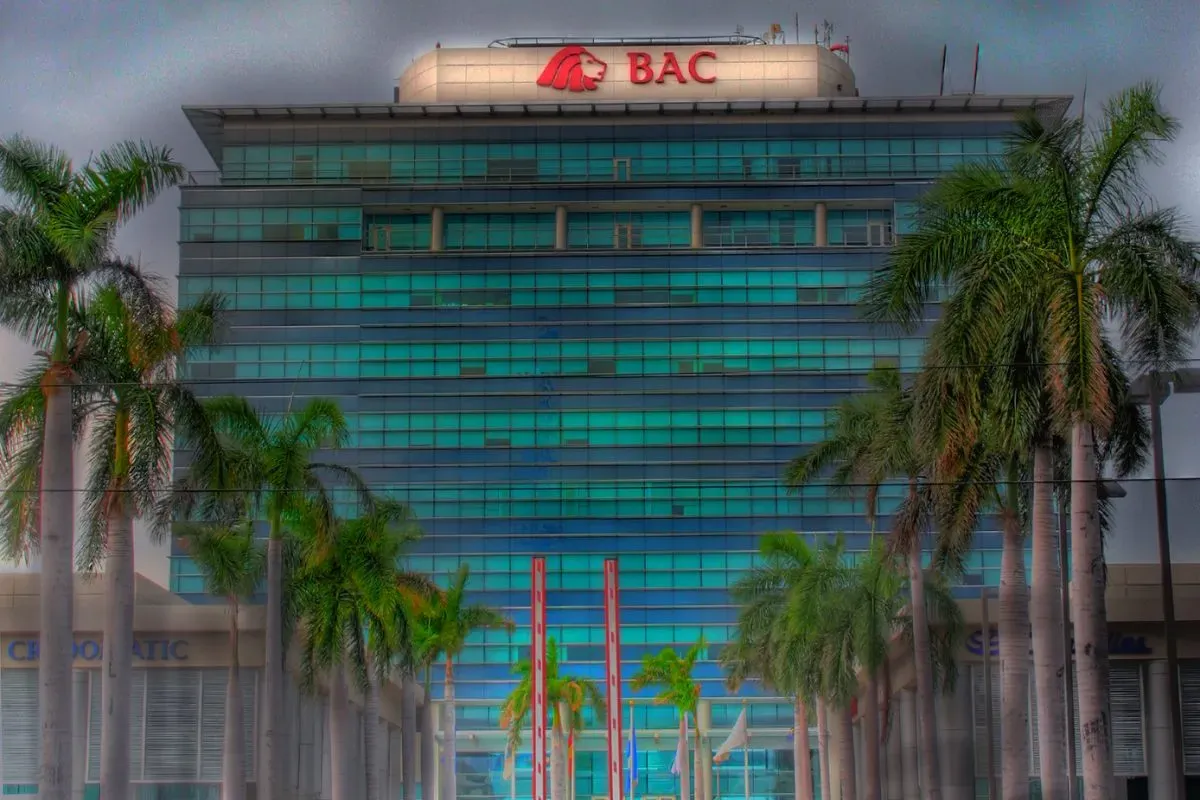
A major financial institution in Panama has stepped forward to clarify its role in a widening tax investigation. BAC, a bank with operations across six countries in Central America, issued an official statement reaffirming its commitment to legal compliance and transparency. The move comes as fiscal authorities scrutinize certain transactions involving tax credits.
The bank explained that the practice at the center of the inquiry involves a standard financial mechanism. Companies can engage in Tax credit acquisition for future tax payments, a tool used by many businesses in the country. BAC emphasized that it never received government funds for these credits. Instead, the bank purchased them with the intention of settling its own future tax obligations.
Internal Alerts Triggered the Investigation
Interestingly, it was BAC’s own internal controls that first raised red flags. The bank detected anomalies and immediately notified the authorities. This proactive step suggests the institution was not trying to hide the transactions. BAC then conducted an internal audit of every single transaction. According to the bank, this review found no evidence linking the institution or its employees to any alleged wrongdoing.
The bank insists that when it bought these credits, they appeared officially certified within the Directorate General of Revenue (DGI) Panama system. The problem, BAC suggests, lies elsewhere. The investigation reportedly targets potential irregularities committed by current and former DGI officials who manipulated the E-tax system. These actions allegedly gave false validity to credits that were officially recorded as certified.
What This Means for Bank Customers
BAC took great care to draw a clear line between this tax matter and its clients. The bank stated that this situation is strictly limited to credits used for the bank’s own tax payments. It has nothing to do with customer accounts, deposits, or funds. BAC assured the public that all client money remains completely safe and secure.
‘The investigation points to alleged irregularities committed by officials and former officials of the DGI in the E-tax system, which gave validity to tax credits that appeared officially certified’ [Translated from Spanish]
This distinction matters for Panama’s banking sector. Trust is the foundation of any financial system. By separating corporate tax practices from client deposits, BAC aims to prevent any panic or misunderstanding among its account holders.
A 74-Year Legacy on the Line
The bank’s statement also highlighted its long history in the region. With 74 years of operations, BAC has built relationships with clients, authorities, and communities across Central America. The institution currently operates in all six countries of the isthmus. It described its presence as solid and its commitment to the region as unwavering.
This is not a small player facing questions. BAC holds significant market share in Panama and beyond. The bank’s leadership position means its handling of this situation will be watched closely by regulators and competitors alike. The outcome could influence how other financial institutions approach similar tax credit mechanisms in the future.
The DGI investigation continues to unfold. For now, BAC maintains that it acted in good faith, relying on the official certification of credits within the government’s own system. The bank’s decision to self-report the irregularities may work in its favor as authorities dig deeper into the role of former and current tax officials.
For observers of Panama’s financial landscape, this case highlights the complex intersection of corporate tax planning and government oversight. It also raises questions about how thoroughly tax credits are vetted before being certified in the first place. If DGI officials indeed manipulated the system, the repercussions could extend far beyond this single bank.