


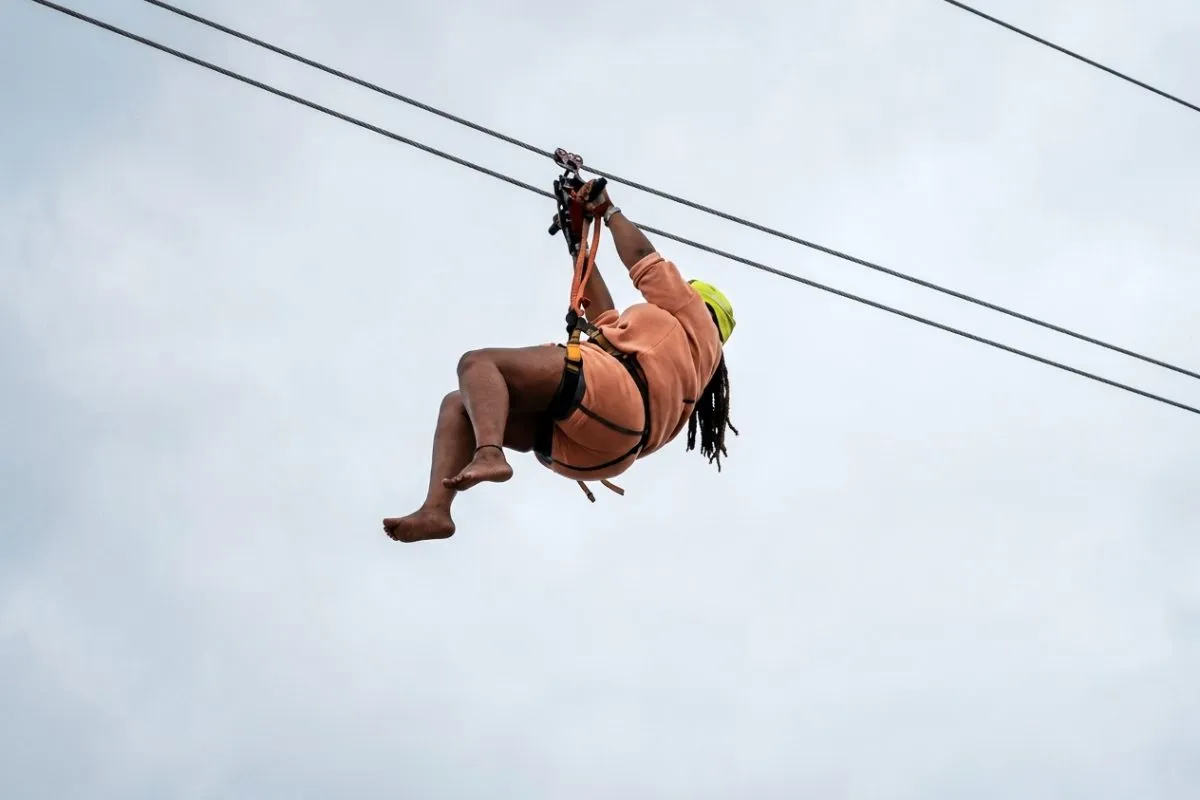
Poin Panama’s general manager, César Meléndez, addressed the public concern directly. He stated that visitors seeking extreme experiences in Panama City should remain confident that the activities “continue with safety” as their top priority. The company emphasized that the interruption was not caused by equipment failure but by weather conditions. Strong headwinds can create resistance that counteracts the rider’s momentum, Meléndez explained. He described this deceleration as a normal phenomenon that “occurs on any zipline in the world” designed for high altitudes.
‘The cable is designed to support loads of several tons and undergoes continuous inspection programs’ [Translated from Spanish]
Operators on the platform are trained to react immediately, applying secure rescue maneuvers to retrieve and tow the user to the end of the line. The company stressed that the steel cabling used in the circuit can handle multiple tons of weight. Each customer must wear a certified harness, helmet, and specialized pulleys. Before every launch from Avenida Balboa, technical staff perform a detailed checklist of anchor points to mitigate risks and maintain a controlled environment, according to Meléndez.
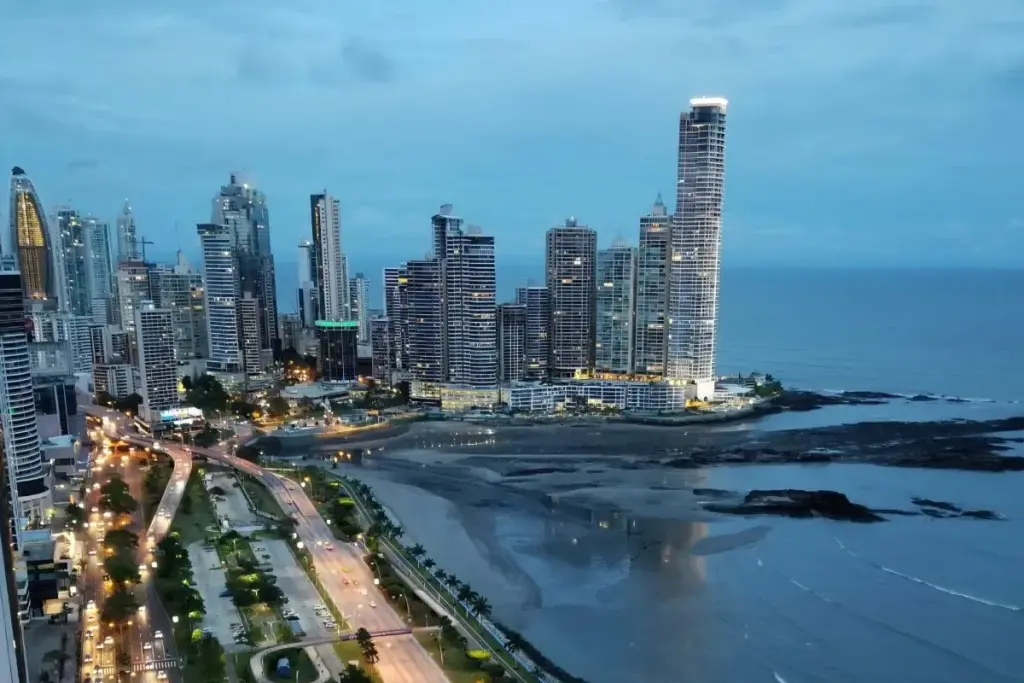
The urban zipline offers 360-degree panoramic views of Panama City’s skyline and the Pacific Ocean. It sits directly above the Cinta Costera, a popular waterfront promenade. Tourists and locals alike have flocked to the attraction since its opening, drawn by the promise of an adrenaline rush combined with stunning vistas. The viral video, however, has reignited debate about the risks associated with adventure tourism in dense urban environments.
Wind Resistance and Rescue Procedures
Weather patterns in Panama City can shift rapidly, especially during the rainy season when gusty winds are common. The Poin Panama team noted that while such stoppages are rare, they are anticipated in the operational design. The rescue process involves a trained technician deploying along the cable to reach the stranded rider, securing them, and guiding them to the nearest platform. This procedure mirrors urban zipline safety protocols used in other major cities around the world.
The company has not disclosed how many times such incidents have occurred since the attraction opened. However, Meléndez insisted that the safety record remains strong. He pointed to the rigorous daily inspections and the fact that the equipment meets international standards. The harnesses and pulleys are checked for wear before each session, and the main cable is tested for tension and corrosion on a regular schedule.
Panama has been actively promoting itself as a destination for adventure tourism. The country offers everything from rainforest canopy tours to deep-sea fishing and urban extreme sports. The Avenida Balboa zipline represents a unique blend of cityscape and thrill-seeking, positioning Panama City alongside destinations like Dubai and Singapore that have embraced high-altitude urban attractions. The Panama tourism attractions sector has grown steadily, with the government investing in infrastructure to draw international visitors.
Public Reaction and Industry Standards
Social media users reacted with a mix of horror and relief after the video surfaced. Some commenters praised the rapid response of the rescue team, while others questioned whether the attraction should operate during windy conditions. The incident has prompted calls for clearer communication about weather-related shutdowns. Critics argue that tourists may not fully understand the risks when they sign waivers and strap into the harness.
Meléndez countered that all participants receive a safety briefing before boarding the platform. The briefing covers potential delays, weather impacts, and the rescue process. He emphasized that the company’s priority is ensuring that every rider completes the experience “in a totally safe manner.” The attraction has operated without serious injuries since its launch, according to company records.
Industry experts note that zipline stoppages are not uncommon worldwide. Factors such as wind speed, rider weight, and cable friction can all affect momentum. Modern ziplines are engineered with redundant safety systems, including backup brakes and secondary cables. The Poin Panama installation uses a single cable design common in urban settings, where space constraints limit the ability to install parallel lines.
Regulatory Oversight and Future Operations
Panama’s tourism authority has not issued a public statement regarding the incident. Local regulations require adventure tourism operators to carry liability insurance and submit to periodic inspections. The Poin Panama team confirmed that they comply with all applicable laws and maintain active communication with municipal authorities. The company has not suspended operations following the viral video, though they have increased the frequency of weather monitoring at the launch site.
The incident serves as a reminder that even well-designed attractions face unpredictable variables. For the tourist involved, the ordeal ended safely. She received assistance from the rescue team and completed the descent without physical injury. The company offered her a complimentary return visit, which she declined. Her identity has not been released.
Poin Panama continues to operate daily, with tickets available for both daytime and sunset sessions. The attraction remains a popular draw for visitors seeking a unique perspective on the Panamanian capital. The company has pledged to review its wind-speed thresholds and consider installing additional sensors to provide real-time data to operators on the platform.
As urban ziplines become more common in cities across Latin America and beyond, the balance between thrill and safety will remain a central conversation. Panama’s experience with this incident may inform best practices for other municipalities looking to add extreme sports to their tourism portfolios. For now, the city’s skyline still features that steel cable stretching from the 37th floor toward the horizon, waiting for the next adventurer to clip in and push off.