



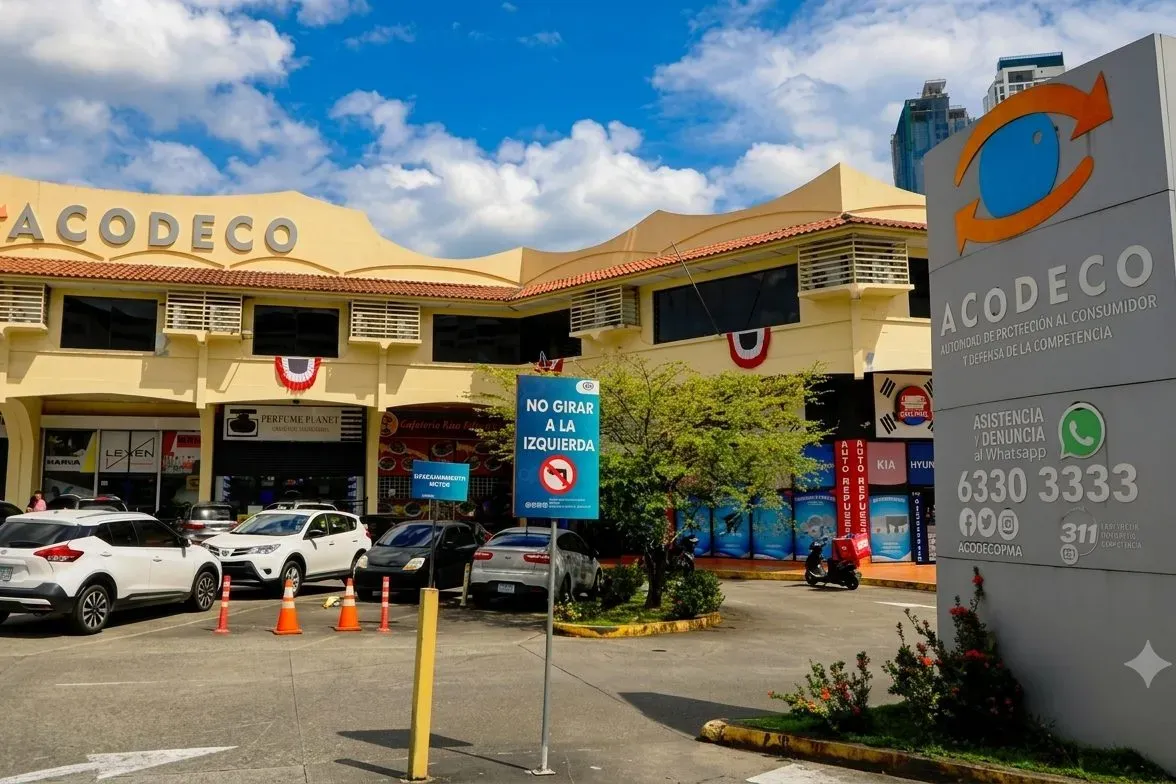
Scammers are getting bolder in Panama. They pretend to be government officials. They call, text, and email consumers. Their goal is to steal personal information and money. The Consumer Protection and Competition Defense Authority (Acodeco) issued a public warning on July 15, 2026. The agency told citizens to stay alert and verify any communication claiming to be from them.
These fraudsters use multiple methods to reach their targets. Phone calls come first. Then follow text messages, WhatsApp chats, and emails. The scammers offer to process official procedures on behalf of Acodeco. They promise to handle complaints or consumer claims. But it is all a trap.
How the Scam Works
The impersonators sound professional. They use official-sounding language. They may even know some details about the consumer. But Acodeco made something very clear. The agency never asks for passwords. It never requests personal data over the phone or through messaging apps. It never tells consumers to click unknown links.
Anyone who receives such an offer should report it immediately. Victims can email info@acodeco.gob.pa. The agency wants swift action. These phishing scams target vulnerable people. They prey on those who need help with consumer complaints. The scammers know people trust government institutions. That trust becomes their weapon.

Official Channels Only
Acodeco stressed that all legitimate procedures must go through proper channels. Consumers should only use the main headquarters, regional offices, the official website, or verified social media accounts. No government agency will contact you out of the blue to offer help with your complaint.
The warning comes amid a broader rise in digital fraud across Latin America. Cybersecurity experts note that scammers increasingly target government agencies. They copy logos, use similar email addresses, and mimic official language. The Organization of American States has documented a surge in these attacks across the region. Panama is not immune.
‘If any citizen receives this type of offer to process procedures in the name of Acodeco, they must file a complaint immediately’ [Translated from Spanish]
The agency also reminded the public that filing complaints and managing claims costs nothing through official channels. Scammers often demand payment for services that are actually free. They ask for bank details or credit card numbers. They promise faster processing times. None of this is real.
Protecting Yourself and Reporting Fraud
Consumers should hang up immediately if someone calls claiming to be from Acodeco and asks for personal information. Do not engage. Do not argue. Just end the call. Then verify independently by contacting the agency through its known phone numbers or website.
For those who have already fallen victim, action is critical. Victims should contact their banks to freeze accounts. They should change passwords for all online services. They should also file a formal complaint with the Public Ministry through official channels. Time matters in these cases. The longer someone waits, the harder it becomes to trace the fraudsters.
Panama has strong consumer protection laws. Acodeco investigates complaints and can impose fines on businesses that violate regulations. But the agency cannot help if scammers operate outside the legal framework. That is why prevention matters most.
The warning reflects a larger truth about modern life. Technology connects us in wonderful ways. It also opens doors for criminals. A phone call can change everything. A single click can empty a bank account. The best defense remains skepticism. If something feels wrong, it probably is.
Acodeco continues to monitor the situation. The agency plans to release more public service announcements. It also works with telecommunications companies to identify scam numbers. But the public plays the most important role. Awareness stops fraud. Verification saves money. Reporting helps authorities catch the criminals.
Panama’s government has invested in cybersecurity infrastructure in recent years. The national cybersecurity strategy includes public education campaigns. But scammers adapt quickly. They find new ways to exploit trust. They study government communications and copy them perfectly. The only defense is a vigilant public.
Remember these key points. Acodeco never calls you first. It never asks for passwords. It never sends links via WhatsApp. It never demands payment for services. Anyone who encounters such behavior should report it. Stay safe. Stay skeptical. Verify everything.