


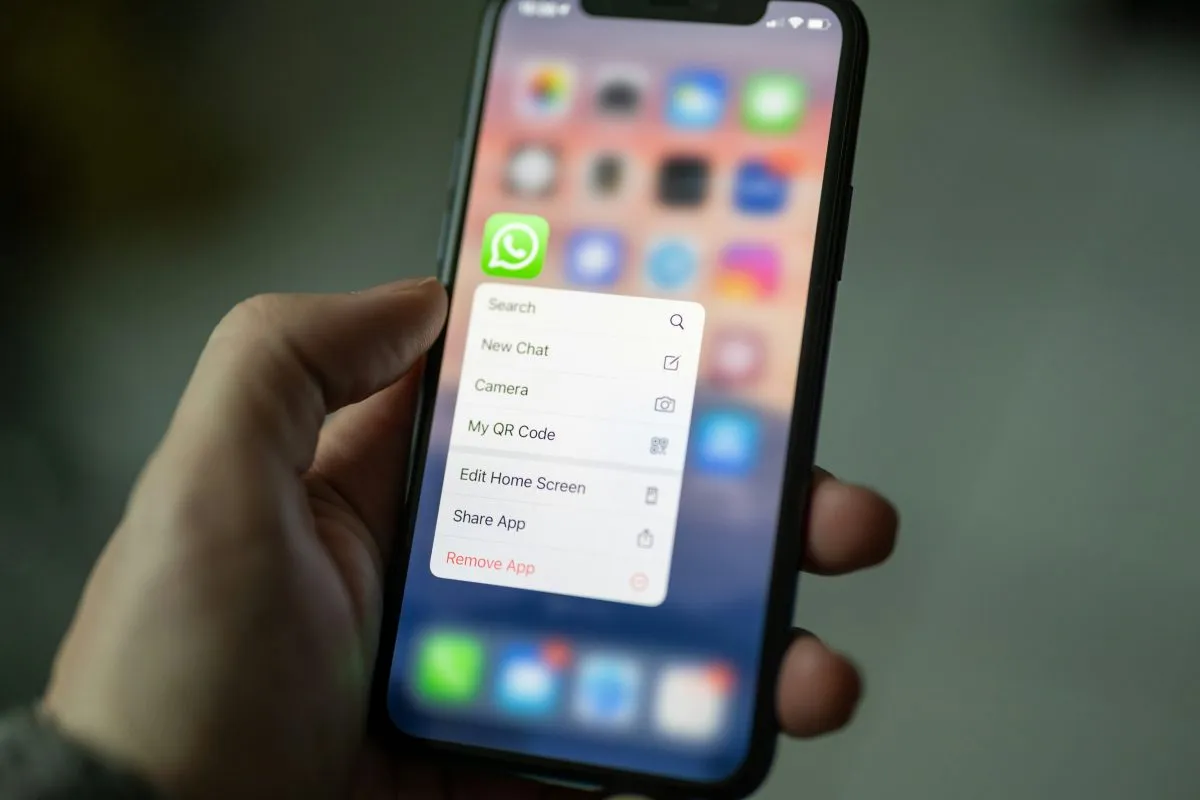
When Wladimir González picks up his phone these days, he sees a disturbing pattern. The chief of cybercrime for Panama’s Panama National Police watches case after case roll in. Criminals are stealing WhatsApp accounts at an alarming rate. They don’t break down digital doors. They trick their way in.
The Judicial Investigation Directorate, known locally as the DIJ, issued a public alert this week. Their specialized cybercrime division says the threat is growing fast. Once thieves take control of a victim’s account, they start messaging friends and family. They pose as the account owner. They ask for money. They request sensitive information. The scam works because people trust messages that appear to come from someone they know.
González explained how these attacks unfold. Thieves send fake messages. They share fraudulent links. They ask for the six-digit verification code that WhatsApp sends by text message or phone call. A user who hands over that code loses everything. The criminal takes control immediately. Then the real trouble begins.
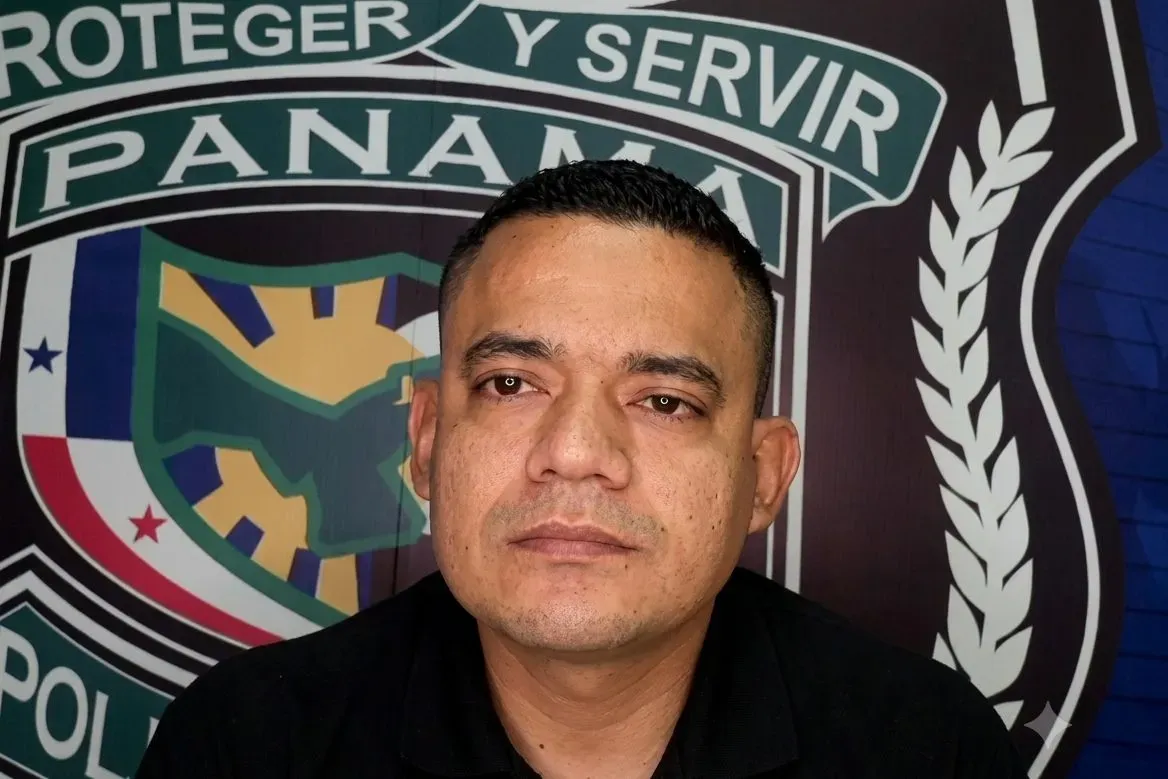
‘The criminals use the victim’s identity to contact their contacts and request money or confidential information’ [Translated from Spanish]
This type of fraud falls under the category of social engineering cybercrime. Instead of hacking software, hackers hack human psychology. They exploit trust. They create urgency. They impersonate authority figures. A message that appears to come from a friend asking for a quick favor can feel harmless. It rarely is.
Simple Steps Can Block Most Attacks
The police force wants every WhatsApp user to take action now. One tool stands above the rest. Activating WhatsApp two-step verification adds a critical layer of protection. Even if a thief gets the six-digit code, they still cannot access the account without a second PIN that only the user knows. This single step stops most takeover attempts cold.
Officers also urge people to guard their verification codes with extreme care. No legitimate company employee will ever ask for this code. No friend needs it. No family member has a valid reason to request it. Anyone who asks is almost certainly a thief. Users should never open links from unknown sources. They should avoid downloading apps from outside official app stores. Keeping phone operating systems and applications updated closes security gaps that criminals exploit.
Suspicious numbers should be blocked and reported directly through the WhatsApp application. The DIJ also recommends verifying any money request through a separate communication channel. If a friend sends a WhatsApp message asking for money, call them. A quick phone call can reveal whether the request is real or a scam.
What To Do If You Get Hacked
Losing access to a WhatsApp account can feel invasive and frightening. The police urge victims to act fast. File a formal complaint with authorities immediately. The DIJ’s cybercrime division has investigators trained to trace these attacks. They can work with messaging platforms to recover accounts. They can also identify patterns that help prevent future crimes.

The Judicial Investigation Directorate handles these cases through its specialized cybercrime unit. Officers there see the same story repeated daily. A moment of distraction. A single shared code. A cascade of fraud that spreads through entire contact lists.
This warning comes as Panama faces broader cybersecurity challenges. Digital fraud has risen sharply across Latin America. The pandemic pushed more daily life online. Banking, shopping, and social connections all moved to digital platforms. Criminals followed. WhatsApp, with its massive user base and end-to-end encryption, became a prime target. The encryption that protects messages from outside surveillance also protects criminals from easy detection.
Trust Nothing, Verify Everything
The police message boils down to a simple philosophy. Trust is a vulnerability. Verification is protection. Every unexpected message deserves suspicion. Every request for money demands confirmation. Every verification code must stay private.
González and his team see cases where victims lose significant sums. They see scams that destroy reputations. They see thieves who use stolen accounts to target the most vulnerable people in a victim’s contact list. Elderly relatives. Close friends. Business partners. The damage extends far beyond the initial account takeover.
Panama’s National Police will continue tracking these crimes. But they cannot stop every attack. The real defense sits in the hands of users. A few seconds spent enabling two-step verification can save weeks of headache. A single phone call to verify a money request can prevent financial loss. A moment of caution when a strange message arrives can stop an account takeover before it starts.
The warning from the DIJ is clear. The threat is real. The tools to fight it are already in every user’s hands. The question is whether people will use them before they become victims.