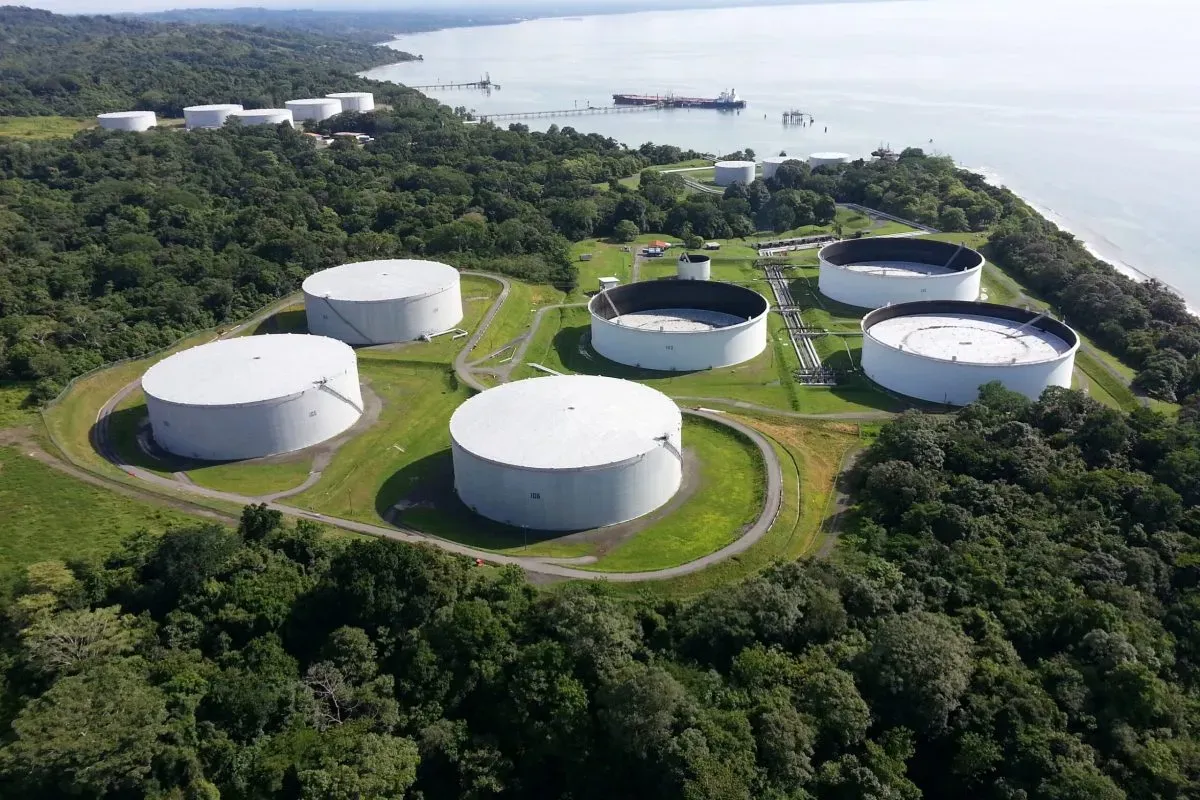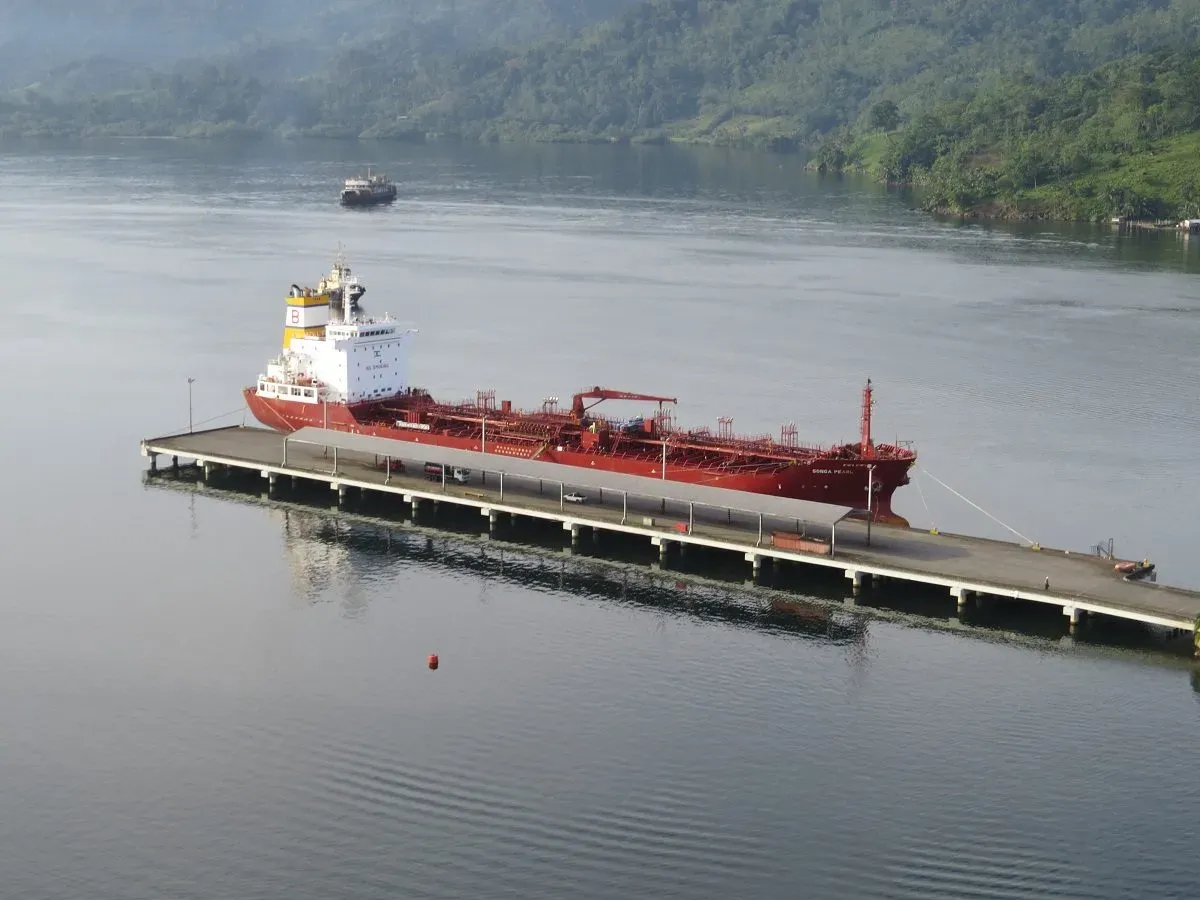
The Panamanian government has triggered a decades-old contractual clause to take complete ownership of Petroterminal de Panama, a critical oil pipeline and storage operation. The move reshapes the country’s energy landscape. Officials confirmed the state will purchase the remaining 41% of shares it does not already own, using a purchase option embedded in the original 1977 partnership agreement. This transaction, once finalized, gives the Republic of Panama 100% control over the asset. Finance Minister Felipe Chapman framed the decision as a matter of national stewardship.
‘We are building a better future for the country. We do this with strict adherence to the law, with the financial responsibility required for managing public assets, and in harmony with workers, suppliers and shareholders. Our objective is that this strategic infrastructure generates more value and greater benefits for all Panamanians’ [Translated from Spanish]
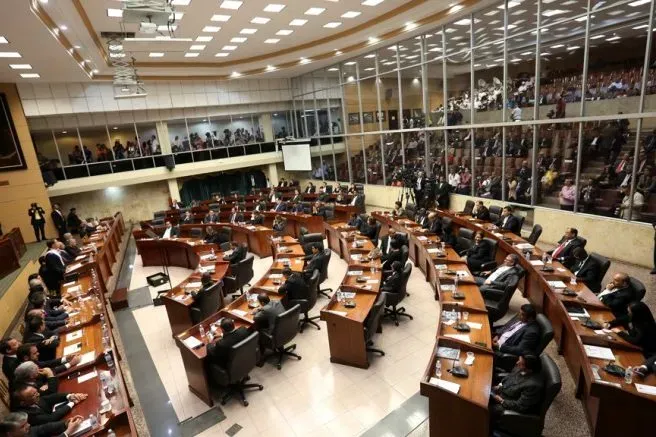
Chapman will oversee the next phases of the process through the Ministry of Economy and Finance. The government stressed this is not a seizure or a forced renegotiation. The purchase relies on a right established in Clause Ten of the original Association Contract, a document approved by the Asamblea Nacional and signed by all original partners. Officials emphasized the mechanism was accepted by every shareholder at the company’s founding. The purchase price will follow a formula based on audited financial statements, preventing either side from setting a discretionary value. President Jose Raul Mulino is driving this consolidation. His administration views the Ciudad of Panama’s energy terminals as vital to national sovereignty and economic independence. The acquisition aligns with broader goals to expand the country’s role as a regional logistics and energy hub. Panama sits at a geographic crossroads, and its port and pipeline infrastructure carries global strategic weight. A key detail sets this deal apart from typical nationalizations. The government claims the purchase will not cost taxpayers a single dollar. According to the official statement, the financial mechanism allows the acquisition to be paid entirely from the company’s own revenues and cash flows.

‘The operation will not require resources from the National Treasury, will not imply public debt, nor will it affect the financing of public works, social programs or government investments’ [Translated from Spanish]
This structure aims to avoid the fiscal strain that often accompanies state takeovers. Job stability was another immediate concern addressed by the administration. Officials guaranteed that existing employment contracts will remain intact. Supplier agreements and customer service levels will continue without disruption. The government wants to signal that operational excellence will not suffer during the ownership transition. The timing is notable. Global energy markets face volatility from geopolitical tensions in multiple regions. Panama’s position as a transit point for fuel shipments makes control over Petroterminal a matter of strategic resilience. The terminal handles crude oil and refined products moving between the Pacific and Atlantic, a chokepoint that touches markets across the Americas and beyond. This is not the first time Panama has moved to secure national control over critical assets. The country has a history of asserting sovereignty over the Panama Canal and surrounding infrastructure.
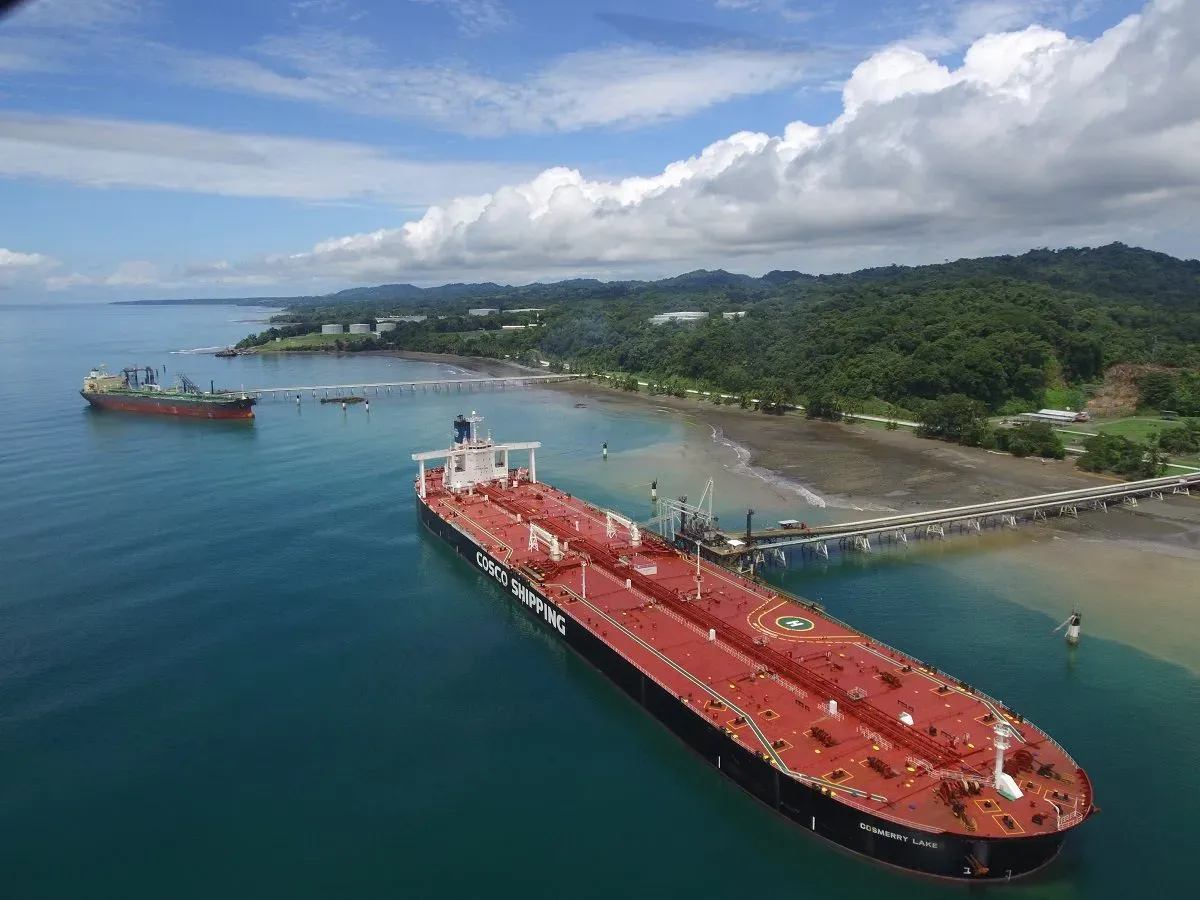
The Petroterminal purchase fits a pattern of reducing foreign influence over systems essential to the nation’s economic engine. The administration of Panam has made clear it views energy logistics as a pillar of future growth. Moving forward, the state plans to manage Petroterminal under international standards for efficiency, safety, transparency and corporate governance. The goal is to maximize long-term economic and social returns. Officials argue that full ownership allows profits to flow directly to the public treasury rather than to private shareholders. Critics may question the valuation process or the timing of the purchase. But the contractual basis appears solid. The option to buy out private partners has existed since the company’s creation in the late 1970s. Exercising that option now reflects a deliberate strategy rather than a sudden political impulse. The Ministry of Economy and Finance will release further details as the transaction progresses. For now, Panama has taken a definitive step toward consolidating its energy infrastructure under national command. Whether this move delivers the promised benefits depends on execution. But the legal and financial architecture has been laid out clearly. The country is betting that owning its energy gateway will pay dividends for decades to come.